

Acidity is common, but persistent inconvenience can affect how effectively your digestive system works, how your body absorbs nutrients, and your gut health. In this blog, you will learn how acidity affects your digestive health, its causes and symptoms, and helpful tips to keep your digestive system functioning well.
What is acidity?
Acidity occurs when an individual experiences heartburn and when gas forms in the stomach. It is a common digestive health issue among people of all ages and occurs mainly due to excessive secretion of hydrochloric acid in the stomach. When hydrochloric acid is released in adequate amounts, it supports food digestion, but excess production begins to affect the inner lining of the stomach, ultimately causing an acidic stomach.
Can acidity cause digestive problems?
Well, yes, persistent acidity may contribute to poor appetite, ongoing indigestion, sleep disturbances, increased bloating, and oesophageal inflammation. Ignoring frequent symptoms may cause the digestive issues to worsen over time. Moreover, if left untreated, an individual might develop arthritis, gout, severe indigestion, and ulcers in the mouth or on the inner walls of the stomach. When acidity occurs, gastric juices move from the stomach to the lower oesophagus (food pipe), which can make it dysfunctional.
The body becomes overly acidic primarily due to the following things:
- Ingesting acids – Excessive consumption of acidifying foods, such as dairy products, processed sugar, meats, alcohol, and coffee, is believed to form an acidic ash in the body. The buildup of these acids can exceed the body’s ability to maintain acid-base balance.
- Formation of acids – Pathogens form acidifying toxins in the body. Once the body becomes acidic, more harmful bacteria inside the body quickly increase in numbers. These microorganisms not only eat but also reproduce, causing more toxins that are often very acidifying.
- Decreased ability to eliminate foods – Some acids are weak in nature while others are strong. Weak acids, including citric acid, are easier to neutralise than strong acids like uric acid. Some physiological processes help regulate acid levels in the body, including mineral buffering, fat metabolism, and respiratory function. When these protective mechanisms are less effective, the body’s ability to control acidity reduces, ultimately resulting in a higher acid load.
Causes of acidity
Many of you may have a common question to ask: “Why do I get acidity after every meal”? or have noticed acidity and bloating after eating. Well, you are not alone; frequent acidity is not always due to what you eat; it can also be associated with eating habits, body weight, stress, use of certain medications, or underlying digestive health issues.
Acidity mainly occurs when a component of the digestive juice called hydrochloric acid is produced in excess due to the following:
- Excessive consumption of hot, spicy and fried foods
- Smoking and alcohol usage
- Intake of sweets, adulterated and fermented foods
- Excessive consumption of tea, coffee and chocolate
- Stress-related issues such as fear, anger, and anxiety
- Use of aspirin and other anti-inflammatory drugs
- Fast-paced lifestyle, overconsciousness about job/carrier, change in sleep patterns, cooked foods, and an acid environment because of vehicle exhaust fumes and industrial waste.
Signs and Symptoms
Here are the signs of poor digestive health:
- Acidity may manifest in more ways than listed here:
- Headache
- Nausea
- Loss of appetite
- Blood in stools
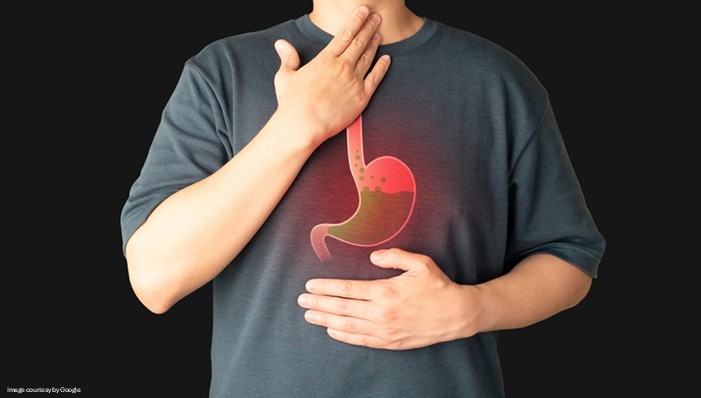
- Burning sensation, pain or discomfort in the throat and chest known as heartburn
- Persistent cough
- Vomiting sometimes occurs along with blood
- Belching, with an acidic taste in the mouth, due to regurgitation of acidic fluid in the mouth or throat.
Effects of acidity
For optimal health, it is essential to maintain the proper pH in the blood, digestive tract, body fluids and tissues. Excessively high acidity levels in the body can lead to serious consequences. For example, if the blood becomes too acidic, then:
- It takes some of the alkaline-forming elements from the enzymes present in the small intestine to stay balanced. This may decrease the alkalinity of the small intestine, which affects the environment required for efficient digestion. This causes the organs like the liver, pancreas, and gallbladder to work harder to support nutrient metabolism and digestion. Over time, this may affect enzyme activity, which is required for countless biochemical processes throughout the body. The effects of acidity may include digestive discomfort, reduced energy levels, hormonal imbalances, impaired nutrient absorption, and a weakened immune system.
- The bones begin to lose calcium, which is considered the most alkaline mineral in the body. Loss of calcium contributes to reduced absorption of supplemental minerals and bone density concerns.
- During prolonged calorie restriction or poor nutrition, the body adapts by conserving energy. Hormonal changes such as changes in insulin activity can lead to increased storage of available fat instead of using it immediately. Over time, this adaptive response may lead to weight gain and make weight loss more difficult.
- Electrolyte imbalance can interfere with the body’s normal fluid transport mechanism. Cardiac, nerve, and muscle cells rely on electrolytes to generate and maintain the electrical signals required for normal function.
- Additional stress is placed on the pancreas, gallbladder, kidneys, and other organs.
How to improve digestion with acid reflux?
Well, this involves supporting the digestive system while lowering acid exposure. Increase dietary fibre intake, take probiotic-rich foods, stay hydrated, and eat a balanced diet. You can ask yoru healthcare professional or nutritionist about the best foods for acid reflux and digestion. Good lifestyle habits help in digestion while reducing the load on the digestive tract.
Maintaining healthy gut habits often improves both digestion and reflux symptoms. So, improve digestive system health by following the above-mentioned practical strategies.
How to prevent acidity naturally?
Consistency plays a key role. Simple lifestyle modifications and healthy habits can do wonders. The following are some steps you can adopt to experience the desired results:
- Chew food properly and eat slowly
- Avoid overeating
- Stay physically active
- Fix regular meal timings
- Get adequate sleep
- Wear loose-fitting clothes, especially after meals
- Identify and avoid personal triggers
- In case of nighttime reflux, raise the head of your bed to calm down the symptoms.
Significant improvements can be achieved over time following these natural ways to reduce stomach acid.
Medicine options
Doctors prescribe medicine to overcome acidity. Following prescribed treatment helps to treat the health concern you have. For authentic and affordable medicine purchases, you can turn to Reliable Rx Pharmacy, which offers a convenient way to access prescription acid reducer medicines such as Pantocid 20mg, Aciloc 150, Famocid 20mg and many more. The platform provides these medications at the lowest price, with huge discounts, helping patients manage long-term treatment costs.
The bottom line!
Understanding acid reflux and gut health allows you to recognise symptoms early and take appropriate measures before it becomes chronic. Follow the prescribed treatment for safe recovery.