

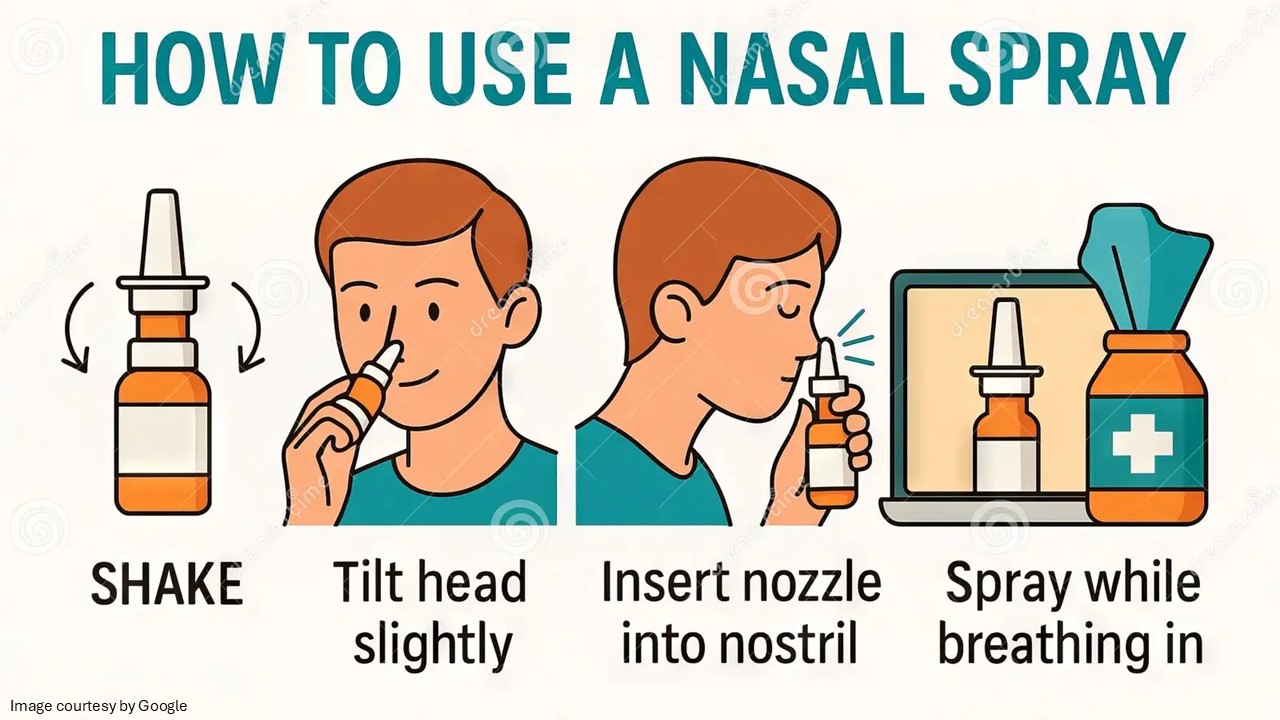
Nasal sprays are among the most commonly used medications for allergies, sinus congestion, colds, dry nasal passages, and certain chronic respiratory conditions. Although they may appear simple to use, many people do not apply them properly. Incorrect use can reduce the medicine’s effectiveness, cause irritation, or even worsen congestion over time. Understanding how to use nasal spray properly helps the medication reach the correct area inside the nose and improves symptom relief.
Whether you use a saline spray, a steroid nasal spray, an antihistamine spray, or a decongestant, proper application matters, this guide explains the right way to use nasal sprays, common mistakes to avoid, and tips for getting the best results safely.
What Is a Nasal Spray?
A nasal spray is a medication delivered directly into the nostrils to treat conditions affecting the nose and sinuses. Nasal sprays may contain saline solutions, corticosteroids, antihistamines, decongestants, or prescription medications designed to reduce inflammation and congestion. Doctors often recommend nasal sprays for allergies, sinus infections, nasal dryness, chronic rhinitis, and postnasal drip. Since the medicine is applied directly into the nose, it works faster in many cases than oral medications.
Different types of sprays serve different purposes. Saline sprays moisturize the nasal passages, steroid sprays reduce inflammation, and decongestant sprays temporarily shrink swollen blood vessels. Understanding the purpose of your medication is important before use.
Why Proper Technique Matters in Using Nasal Spray?
Many people assume nasal sprays work automatically once sprayed into the nose, but poor technique can prevent the medicine from reaching the right area. Spraying too hard, aiming incorrectly, or sniffing too aggressively may send the medication down the throat instead of into the nasal passages. Learning how to use nasal spray correctly can improve symptom control and reduce side effects such as nosebleeds, irritation, or unpleasant taste. Proper use also ensures accurate dosing and helps avoid medication waste.
Incorrect use of decongestant sprays can even lead to rebound congestion, a condition where nasal blockage worsens after frequent overuse.
Types of Nasal Sprays
Before discussing the application process, it helps to understand the different categories of nasal sprays available.
- Saline nasal sprays contain saltwater solutions that moisturize dry nasal passages and loosen mucus. They are generally safe for daily use and suitable for adults and children.
- Steroid nasal sprays help reduce inflammation caused by allergies or chronic sinus conditions. These sprays often require consistent daily use for maximum benefit.
- Antihistamine nasal sprays help relieve allergy symptoms such as sneezing and a runny nose.
- Decongestant sprays temporarily reduce swelling in the nose but should be used for only short periods, usually no more than 3 consecutive days unless advised otherwise by a healthcare provider.
Prescription nasal sprays may also be used for migraines, hormone therapy, or other medical conditions.
Step-by-Step Guide on How to Use Nasal Spray
Understanding how to use nasal spray step by step helps maximize effectiveness and comfort.
- Start by washing your hands thoroughly with soap and water. Clean hands reduce the chance of introducing bacteria into the nasal passages.
- Next, gently blow your nose to clear mucus and open the nasal passages. If the nose is blocked, the medication may not reach the target area properly.
- Shake the bottle if the product label recommends it. Some medications require mixing before use.
- Remove the cap and inspect the nozzle to ensure it is clean. If you are using the spray for the first time or have not used it for several days, you may need to prime the pump by spraying it into the air until a fine mist appears.
- Tilt your head slightly forward rather than backward. Keeping the head upright helps prevent the medication from running down the throat.
- Close one nostril by gently pressing it with your finger. Insert the nozzle into the open nostril while aiming slightly outward toward the ear rather than directly toward the center of the nose. This is part of proper nasal spray technique, which helps reduce irritation of the nasal septum.
- Press the pump while breathing in gently through the nose. Avoid sniffing too hard, as deep inhalation may draw the medicine into the throat rather than keeping it in the nasal cavity.
- Repeat the process in the other nostril if instructed.
- After spraying, avoid blowing your nose immediately unless the product instructions advise otherwise. Allow the medicine time to absorb properly.
- Wipe the nozzle with a clean tissue and replace the cap after each use.
Common Mistakes People Make
Many people unknowingly reduce the effectiveness of nasal sprays by using them incorrectly.
- One common mistake is tilting the head too far back. This often causes the medication to drip down the throat rather than remaining in the nasal passages.
- Another error involves spraying directly toward the nasal septum, the cartilage dividing the nostrils. This may lead to irritation or nosebleeds over time.
- Aggressive sniffing is another common problem. Gentle breathing is enough to help distribute the medication.
- Some people also fail to clean the nozzle regularly, increasing the risk of contamination and infection.
- Overusing decongestant sprays is particularly risky because it can cause rebound congestion, making nasal blockage worse after the medication wears off.
Following clear nasal spray instructions helps prevent these problems and improves treatment outcomes.
How Often Should You Use Nasal Spray?
Usage frequency depends on the type of nasal spray and the condition being treated. Saline sprays can be used multiple times daily because they primarily moisturize the nasal passages. Steroid nasal sprays are often used once or twice daily and work best when used consistently. Relief may take several days to develop fully. Decongestant sprays should usually not be used for more than 3 consecutive days unless directed by a healthcare provider. Prescription sprays should always be used as directed by your healthcare provider and in accordance with the product labelling.
Always follow the recommended dosage, nasal spray directions, and frequency as suggested by a doctor.

Tips for Better Results
Several habits can improve the effectiveness of nasal spray treatment.
- Using the spray consistently at the same time each day helps maintain symptom control, especially for allergy medications.
- Keeping the nasal passages clean and hydrated may also improve absorption. Some people benefit from saline rinses before using medicated sprays.
- Store the spray according to package instructions and avoid exposing it to extreme temperatures.
- Never share nasal sprays with others because this can spread germs and infections.
- If symptoms persist despite proper use, consult a healthcare provider to evaluate whether a different medication or treatment plan is needed.
Side Effects of Nasal Sprays
Although nasal sprays are generally safe, side effects can occur. Mild irritation, dryness, sneezing, or a bitter taste may develop after use. Steroid sprays may occasionally cause nosebleeds if used improperly or excessively. Decongestant sprays carry a higher risk of rebound congestion when overused. Rarely, nasal spray prescriptions may cause systemic side effects, depending on the medication. Seek medical attention if you experience severe nosebleeds, persistent pain, vision changes, or signs of allergic reaction.
Nasal Spray Use in Children
Parents should carefully follow pediatric dosing instructions when giving nasal sprays to children. Younger children may need assistance to maintain the correct position during spraying. Saline sprays are often considered safest for routine use in children with dry or congested noses. Prescription or medicated sprays should only be used under pediatric guidance.
Teaching children how to use nose spray properly can improve comfort and treatment success while reducing fear or resistance.
When to See a Doctor?
Occasional congestion or allergy symptoms often improve with over-the-counter treatment, but persistent symptoms may require medical evaluation. See a healthcare provider if congestion lasts more than 10 days, symptoms worsen, or severe facial pain develops. Recurring nosebleeds, fever, breathing difficulty, or persistent sinus pressure should also be evaluated.
Chronic nasal symptoms may indicate allergies, sinus infections, nasal polyps, or structural issues that require professional treatment.
Nasal Spray Products and Medicines Available on ReliableRxPharmacy
People looking for allergy relief, sinus care, nasal congestion treatment, or respiratory support can explore nasal spray medications available on ReliableRxPharmacy. The pharmacy offers several prescription and over-the-counter nasal care products commonly used for allergic rhinitis, sinus inflammation, and nasal blockage.
Some commonly available nasal spray products include:
- Arzep Nasal Spray 10 ml — Contains Azelastine HCl and is commonly used for seasonal allergies, sneezing, itchy nose, runny nose, and allergic rhinitis symptoms.
- Metaspray 50 mcg Nasal Spray — A Mometasone-based corticosteroid nasal spray used to treat nasal allergies, inflammation, congestion, and nasal polyps.
- Allergy Relief Medicines Category — Includes allergy and respiratory care products such as antihistamines, steroid nasal sprays, sinus medications, and allergy-management therapies.
These products are commonly used for seasonal allergies, allergic rhinitis, nasal congestion, sinus inflammation, sneezing and a runny nose, and nasal dryness and irritation, when prescribed by a doctor.
Always follow proper nasal spray directions and avoid overusing decongestant sprays, as prolonged use may lead to rebound congestion or nasal irritation. Health experts also recommend limiting the use of certain decongestant sprays to short-term use only. If symptoms persist or worsen, consult a licensed healthcare professional before continuing treatment or changing medications.
Conclusion
Learning how to use nasal spray properly is essential for achieving the best possible symptom relief while reducing side effects and complications. Correct application allows the medication to reach the nasal passages effectively, improving treatment outcomes for allergies, congestion, sinus problems, and nasal dryness. Simple habits such as aiming the spray correctly, breathing gently, and following dosage instructions can make a significant difference. Understanding how to use nose spray safely also helps prevent irritation and rebound congestion.
If symptoms persist despite proper use, consult a healthcare professional for further evaluation and treatment recommendations. With the right technique and guidance, nasal sprays can provide safe and effective relief for many common nasal conditions.