Understanding the meaning of controlled substances is important because they are believed to play a role in modern healthcare. Some of these medications, with known medical uses, can only be bought through a prescription. However, because many of these medications can be misused or lead to dependence, their use is regulated by the government under specific laws. This blog explains “What is a controlled substance”. You will also discover how to use these medications responsibly and avoid potential health and legal complications.
Introduction
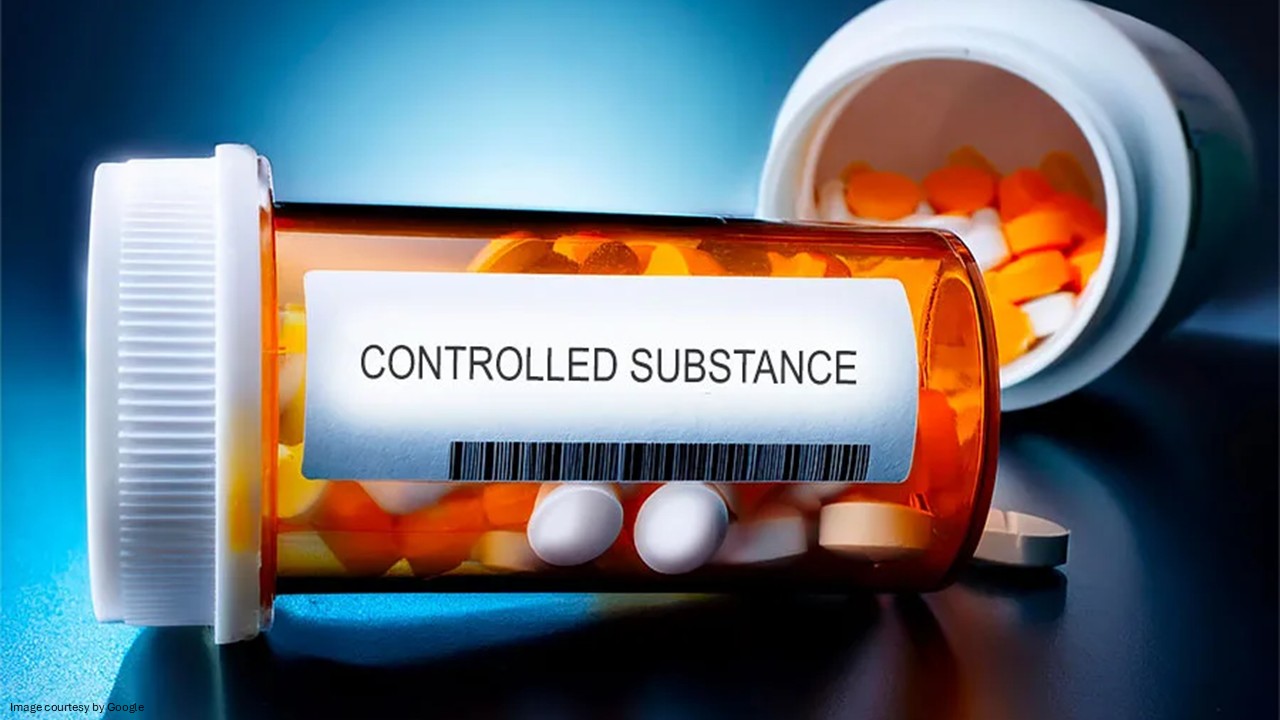
Controlled substance meaning: A drug or other substance that the government strictly controls because it may be misused or cause addiction. The control applies to how the substance is formulated, used, handled, stored, and distributed. Types of controlled substances include stimulants, opioids, hallucinogens, depressants, and anabolic steroids. Examples of controlled substances that are well known for their medical use include Valium, Ritalin, and morphine. These substances are available only by prescription from a licensed healthcare specialist. Other controlled substances, including heroin and LSD, are not known to be used medically and are not legal in the United States.

Aware of the risks
Many types of prescription-controlled substances are used in the treatment of a variety of health problems, such as moderate to severe pain, attention disorders, cough, seizures, anxiety, obesity, sleeping disorders, and many others. Controlled substances are considered an effective option for managing and treating these conditions when used appropriately under a healthcare professional’s supervision. Controlled prescription drugs can contribute to serious risks and complications, which may include heart attack or stroke, hormonal imbalances that may also influence certain other organs, memory loss or disturbances, abnormal thoughts and behaviour, worsening of depression, breathing difficulties, suicidal thoughts, significant drowsiness, stupor, coma, and death. Side effects associated with such medications usually vary depending on the type of medication you are using. Even when used under the proper medical guidance, additional risks are possible, which include tolerance, physical dependence, addiction, misuse and abuse, relapse of addiction symptoms, overdosing, and death.
Also Read: A New Beginning in Stopping Alcohol for Good
Important facts about controlled substances
- The combination of controlled substances with alcohol or certain other medications, such as benzodiazepines (diazepam, alprazolam, and clonazepam), increases the risk of developing serious or life-threatening adverse effects.
- Other prescription medications and over-the-counter products increase the likelihood of side effects, including overdose. Be sure to read the label for warnings on any prescription or over-the-counter medications before buying. And ensure that you take it as directed.
- Stopping certain opioids or benzodiazepines may give rise to withdrawal symptoms such as muscular pain, leg or abdominal cramps, piloerection (goosebumps), tremors, appetite changes, pain attacks, diarrhoea, mood swings, dilated pupils, and thinking and memory problems, and sleep issues. Generally, symptoms depend on the type of controlled substance you are taking.
- If a patient has been prescribed a controlled substance to treat a certain condition. The patient should not take more than the recommended doses as prescribed by their healthcare specialist.
- If you think your pain is relieved and you don’t feel discomfort anymore, you may decide to stop the treatment. If you have leftover medication after completing yoru full course, you should follow the appropriate guidelines for disposal.
- If you don’t wish to use opioids altogether, you may discuss with your healthcare professional about other alternatives to treat yoru pain without opioids.
- Seek immediate medical help if you develop symptoms such as redness or tingling in arms or legs, confusion, chest pain, severe pelvic pain, light-headedness or dizziness, extreme sleepiness, slowed breathing or trouble breathing, severe headache, suicidal thoughts, pain, swelling, or unresponsiveness. It is important to be cautious when starting treatment with controlled prescription drugs, when your healthcare specialist changes doses or if you take an overdose.
- While you are receiving opioids, you must train your family and friends to be trained well enough to administer naloxone to reverse the effects of an overdose.
- Medication, including prescription-controlled substances, is meant to be used only by the person for whom they were prescribed. So, never share the medicine.
- Store all these medications in one cool, dry place. You must ensure that the location you choose for the medication is safe and secure. Moreover, routine tracking is a good idea, especially when others live with you or visit you regularly. You can discuss with your healthcare professional about how you can keep track of these medications.
- Moreover, for more information concerning the risks and adverse effects of prescription-controlled substances or other medications you are taking, speak to your healthcare specialist.
Also Read: Is it safe to drink alcohol during pregnancy?
Warning signs of addiction
There are physical and behavioural signs that could indicate addiction:
- Decreased appetite, unexplained weight gain or loss
- Sleeplessness, agitation, and unusual laziness
- Smell of substances while breathing and smell on clothes
- Red, watery eyes, blank stare, smaller or larger pupils, thick tongue, slurred or pressured speech
- Nausea, vomiting, sweating, hands/feet/head shaking
Behavioural signs include:
- Change in friends
- Change in attitude
- Drop in work performance
- Avoiding contact with family
- Moody behaviour, nervousness, giddiness, nodding off
- Stealing
- Isolation and secretive behaviour
- Problems, tardiness at work/school, unusual conflicts with family and friends.
An advanced warning sign may include missing medication.
Note: proper disposal of controlled substances can help in the prevention of drug abuse, accidental poisoning, consumption of expired medications and the release of medication in the environment.
Also Read: Alcoholism and Alcohol Poisoning: It could happen to you
Verdict
Controlled substances are medications that require additional oversight because of their potential risk of misuse and dependence. However, the prescription-controlled substances offer health benefits and remain in the mainstream of treatment options for a wide range of conditions. As healthcare continues to evolve, the goal remains the same: ensuring that individuals who need these treatments have access to them while protecting public health through responsible regulation.