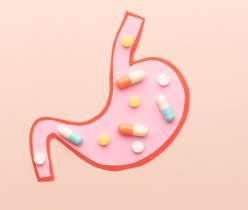


The human gut is the natural habitat for a large and dynamic bacterial community, but a substantial part of this population remains unexplained. Many of these affect each other and their environment in various ways. However, they are also believed to interfere with many body processes, including yoru digestive system and beyond. This blog will help you learn everything about gut flora, including its importance for overall health.
Understanding Gut Flora
Gut flora, scientifically termed gut microbiota, refers to the whole population of microorganisms that colonises a specific location; along with bacteria, other microbes such as fungi, viruses, archaea and protozoans. In recent years, scientific interest among the medical community has evolved in the gut microbiota. It has been closely related to a large array of diseases, extending from luminal diseases including irritable bowel syndrome (IBS), inflammatory bowel disease (IBD) and metabolic conditions such as diabetes, obesity, allergic reactions, to neurodevelopmental illness, though there is not much evidence. For a long time, it has also been speculated that the gut microbiota bears a significant functional role in maintaining gut health in healthy individuals. There is a growing body of evidence from research studies that supports these speculations. Several other studies have revealed the helpful functions of normal gut flora in maintaining health at the genetic level.
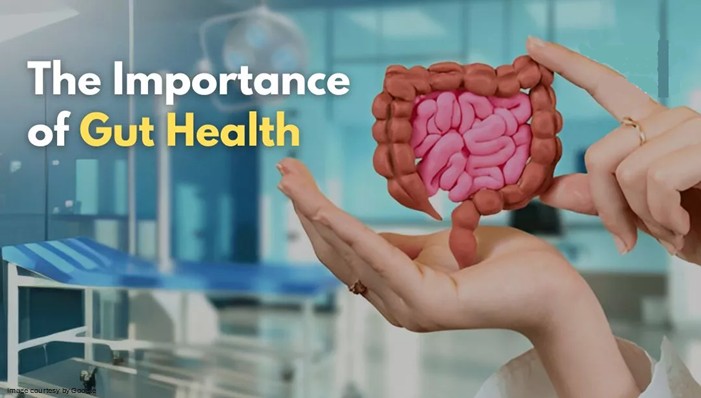
Important functions of the gut microbiome
The relationship between the gut microbiome and humans is Symbiotic, meaning they live together to benefit each other. It has been believed that the gut microbiome plays a key role in homeostasis (balance or stability in the body system) by controlling certain processes in the body, including metabolic pathways and nutrient metabolism, encouraging the production of vitamins, and preventing colonisation by pathogens. Apart from these basic functions, studies also suggest that the gut microbiota play a crucial role in regulating immune responses and preserving the integrity of the intestinal lining. Here it is important to understand that intestinal.
For years, digestive health was mostly associated with avoiding stomach aches or indigestion. Today, scientists know the story is much bigger. Inside your digestive tract lives a vast community of microscopic organisms that quietly influences many aspects of your health—from how efficiently you digest food to how well your immune system functions. This internal ecosystem is known as gut flora, and keeping it balanced has become an important part of maintaining overall well-being. If you’ve been searching for what gut flora is, you’re not alone. Interest in gut health has grown rapidly as research continues to uncover its connection with conditions beyond the digestive system. While the gut microbiome is not a cure-all, evidence suggests that it plays an important role in supporting metabolism, nutrient absorption, immune responses, and even communication between the gut and the brain.
The encouraging news is that supporting your gut doesn’t necessarily require drastic lifestyle changes. Everyday habits such as eating a variety of fibre-rich foods, staying active, sleeping well, and managing stress can all contribute to a healthier digestive environment. Understanding how gut flora works is the first step toward making informed choices that benefit both your digestive system and your overall health.
Disruption in gut flora
Everyday habits can either support or disrupt this delicate environment. Frequent consumption of highly processed foods, inadequate dietary fibre, chronic stress, poor sleep, smoking, excessive alcohol intake, and unnecessary antibiotic use can all reduce microbial diversity. An imbalanced microbiome isn’t always linked to immediate symptoms. Some people experience changes gradually over months or even years, making them easy to overlook. This is why maintaining healthy habits before health issues develop is often more effective than trying to correct long-standing imbalances later.
Common symptoms of poor gut health
Digestive discomfort can have many causes, but persistent problems may indicate that your gut microbiome needs attention. While these signs do not confirm a specific condition, recognising the symptoms of poor gut health can help you decide when it’s time to speak with a healthcare professional. Some of the more common symptoms of poor gut health include frequent bloating after meals and excessive gas. Constipation or diarrhoea, ongoing stomach discomfort, acid reflux, food sensitivities that seem to develop suddenly, unexplained fatigue, difficulty concentrating or “brain fog”, skin concerns such as acne or eczema, recurrent infections, changes in appetite, and sleep disturbances. Experiencing one of these symptoms occasionally is common. However, if they persist, worsen, or interfere with daily life, it’s important to seek medical advice rather than self-diagnose. Doctors often prescribe acid-reducer medicines to support gut health. Ask your doctor for the right medicine and dosage to treat your symptoms. ReliableRxPharmacy online pharmacy offers great deals on authentic medicine supplies and the fastest delivery options, with round-the-clock customer support services.
Is modern lifestyle a challenge for gut health?
Today’s lifestyle often works against a healthy microbiome. Busy schedules can make processed meals more convenient than home-cooked ones, while long working hours, irregular sleep patterns, and constant stress place additional pressure on the digestive system. Try to choose foods that improve gut health. These foods that improve gut health may include:
- Fibre-rich fruits and vegetables
- Whole grains and legumes
- Fermented foods that complement the good bacteria in the gut
- Prebiotic foods
You have probably heard of the term microbiome diet. Well, this type of diet focuses on nourishing the beneficial organisms that naturally live in the gastrointestinal tract, improving gut health naturally. A microbiome diet emphasises eating more whole, fibre-rich foods while restricting highly processed foods that have very little nutritional value. Moreover, gut health supplements are also available and work to improve overall wellness. However, for better outcomes, it is always best to consult a healthcare specialist before you buy gut health supplement. A gut microbiome test may also be useful for some individuals to find out the type and diversity of microorganisms present in the gastrointestinal tract. For those dealing with symptoms of poor gut health for a long period, a healthcare provider may suggest appropriate medical evaluations instead of relying solely on microbiome testing.
On the other hand, the widespread use of antibiotics has also changed the conversation around gut health. Although these medications are essential for treating bacterial infections, they can temporarily reduce populations of beneficial bacteria alongside harmful ones. For this reason, antibiotics should always be used only as prescribed by a healthcare professional.
Gut health tips
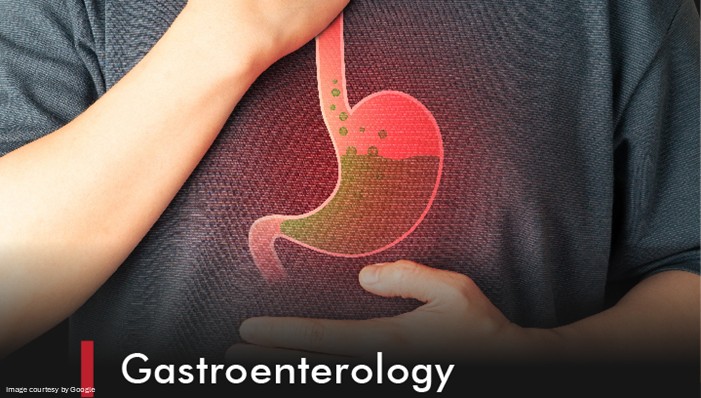
Supporting your digestive system doesn’t require expensive products or complicated routines. In fact, the most effective gut health tips are often the simplest ones practised consistently. Small, consistent lifestyle improvements contribute to a long-term impact rather than restrictive diets or short-term wellness. Here are some quick gut health tips you can follow every day.
- Try incorporating these habits into your daily routine:
- Fill half your plate with colourful vegetables whenever possible.
- Make sure every meal includes fibre-rich foods.
- Try to include fermented foods in your diet. Eat fermented foods several times each week.
- Drink enough water throughout the day.
- Limit processed foods and sugary snacks.
- Exercise regularly, even if it’s just a daily walk.
- Avoid smoking and limit alcohol intake.
- Sleep on a consistent schedule.
- Manage stress through activities you enjoy.
- Take antibiotics only when prescribed by your healthcare provider.
- Healthy habits work together over time to support a stronger and more diverse gut microbiome.
Also Read: Does Alcohol Cause Acid Reflux?
Takeaway!
Small, sustainable lifestyle changes often improve gut health naturally. By taking care of your gut today, you’re also investing in your long-term health. Don’t hesitate to consult a doctor if you experience moderate to severe symptoms affecting your gut health.