
That heavy, uncomfortable feeling after a big meal. A burning sensation creeping up your chest at night. Most of us have dealt with one or both, and it’s easy to lump them together. But when it comes to indigestion vs acidity, knowing the difference matters, because it helps you pick the right treatment and spot when something more serious might be going on.
In this guide, we break down what each condition is, the most common symptoms and triggers, and the simple remedies and medicines that can bring relief.
A quick look at your digestive system
Your digestive system breaks food down into nutrients your body can use. After you swallow, food travels down the esophagus (food pipe) into the stomach, where strong acid and enzymes start breaking it down. A ring of muscle at the bottom of the esophagus, called the lower esophageal sphincter (LES), acts like a one-way valve that keeps acid in the stomach. When digestion slows down, or this valve doesn’t close properly, stomach problems like indigestion and acidity can follow.
What is indigestion?
Indigestion, also called dyspepsia or an upset stomach, isn’t a disease on its own. It’s a set of symptoms that signal your stomach is struggling to digest food comfortably. It usually shows up during or soon after eating.
Symptoms of indigestion
-
Indigestion pain or a gnawing ache in the upper belly
-
Feeling uncomfortably full during or after a meal
-
Getting full quickly, even after a small meal
-
Bloating, gas, and frequent burping
-
Nausea
What causes indigestion?
Common causes include overeating, eating too fast, fatty or greasy meals, too much caffeine or alcohol, smoking, and stress. Pain relievers such as ibuprofen and aspirin can irritate the stomach lining. Sometimes indigestion points to an underlying problem, such as gastritis, a stomach ulcer, an H. pylori infection, gallstones, or acid reflux itself.
What is acidity?
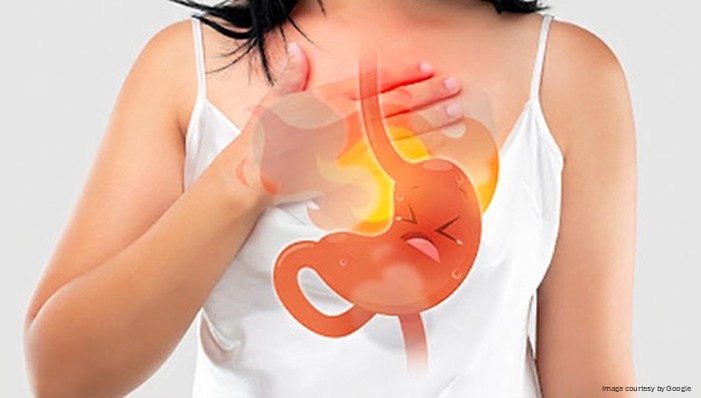
“Acidity” is a popular term for symptoms caused by stomach acid irritating the stomach or, more often, flowing back up into the esophagus. Doctors usually call this acid reflux. Its best-known symptom is heartburn. If it happens twice a week or more, it may be gastroesophageal reflux disease (GERD).
Acidity symptoms
-
A burning feeling in the chest, behind the breastbone (heartburn)
-
A sour or bitter taste in the mouth
-
Food or liquid coming back up into the throat (regurgitation)
-
Symptoms that get worse after eating, bending over, or lying down
-
A sore throat, hoarse voice, or dry cough, especially in the morning

What causes acidity?
Acidity usually happens when the LES relaxes when it shouldn’t. Large or late-night meals, extra body weight, pregnancy, smoking, a hiatal hernia, and certain foods and drinks all make this more likely.
Indigestion vs Acidity: Comparison
Here are the main differences at a glance:
|
Indigestion |
Acidity |
|
|
What it is |
A group of symptoms showing your stomach is having trouble digesting food |
Excess stomach acid, or acid flowing back up into the food pipe (acid reflux) |
|
Main feeling |
Fullness, bloating, and discomfort in the upper belly |
Burning in the chest or throat (heartburn) |
|
Where you feel it |
Upper abdomen, between the belly button and breastbone |
Behind the breastbone, sometimes rising to the throat |
|
Other signs |
Burping, gas, nausea, feeling full too soon |
Sour or bitter taste, regurgitation, worse when lying down |
|
Common triggers |
Overeating, eating fast, fatty food, stress, some pain relievers |
Spicy or fried food, coffee, alcohol, late meals, extra weight |
|
Typical relief |
Smaller meals, antacids, treating the underlying cause |
Antacids, H2 blockers, proton pump inhibitors (PPIs) |
The two often overlap. Acid reflux is one of the most common causes of indigestion, so you can easily have both at the same time. A simple way to tell them apart: indigestion is mostly felt in the stomach, while acidity is mostly felt as burning in the chest or throat.
Foods that cause indigestion and acidity
Everyone’s triggers are different, but these foods that cause indigestion and acid reflux are common culprits:
-
Fried, fatty, and greasy foods
-
Spicy dishes
-
Citrus fruits, tomatoes, and tomato-based sauces
-
Chocolate, peppermint, onions, and garlic
-
Coffee, tea, and other caffeinated drinks
-
Alcohol and carbonated (fizzy) drinks
Keeping a short food diary for a week or two can help you spot your personal triggers.
Indigestion remedies and home care
For many people, simple changes are the best long-term cure for indigestion and acidity:
-
Eat smaller meals more often instead of two or three large ones.
-
Slow down and chew your food well.
-
Wait 2 to 3 hours after eating before lying down or going to bed.
-
Raise the head of your bed by 6 to 8 inches if symptoms hit at night.
-
Maintain a healthy weight, since extra belly fat pushes acid upward.
-
Cut back on alcohol and quit smoking.
-
Manage stress with walks, deep breathing, or other activities you enjoy.
-
Try ginger or chamomile tea, which some people find soothing.
Indigestion treatment and acidity treatment:
When lifestyle changes aren’t enough, these medicines can help. Many are available over the counter, while stronger doses need a prescription:
-
Antacids (such as calcium carbonate or aluminum and magnesium hydroxide) neutralize acid and work within minutes, but their effect is short-lived.
-
H2 blockers such as famotidine lower acid production. They take about 30 to 60 minutes to start working and last several hours.
-
Proton pump inhibitors (PPIs) such as omeprazole, esomeprazole, pantoprazole, and rabeprazole are the strongest acid reducers. They work best when taken 30 to 60 minutes before breakfast and are often used for frequent heartburn and GERD.
-
Other treatments may include simethicone for gas, medicines that help the stomach empty faster, or antibiotics if an H. pylori infection is found.
PPIs are meant for short courses unless your doctor advises otherwise, so talk to your healthcare provider before taking them for more than 14 days at a time. Also tell your doctor about any other medicines you take.
When to see a doctor
Occasional indigestion pain or heartburn is common, but some stomach problems need medical attention. See your doctor if symptoms happen more than twice a week, last longer than two weeks, or keep coming back despite treatment. Get help right away if you have trouble swallowing, vomit blood or material that looks like coffee grounds, pass black or tarry stools, or lose weight without trying.
Important: Chest pain that comes with shortness of breath, sweating, or pain spreading to your arm, jaw, or back may be a heart attack, not heartburn. Call emergency services immediately.
Buy acidity and indigestion medicines online
If your doctor recommends an acid reducer, ReliableRxPharmacy (RRx) offers affordable options, including Pentaloc 40mg (pantoprazole), Omez 40mg (omeprazole), Nexpro 40mg (esomeprazole), Razo 20mg (rabeprazole), Famocid 20mg (famotidine) and more. Shopping online with RRx is convenient: you can compare brands, strengths, and pack sizes in one place, see clear prices in US dollars, check out securely, and have your medicine delivered to your door. For your safety, order with a valid prescription, follow your doctor’s dosing instructions, and reach out to the RRx support team for any questions.
Final thoughts
When comparing indigestion vs acidity, remember that indigestion is mainly about stomach discomfort and fullness, while acidity is about burning caused by stomach acid. Both are common, usually manageable, and often improve with smarter eating habits and the right medicine. If your symptoms are frequent or severe, a doctor can find the cause and recommend the best treatment for you.
Disclaimer: This article is for general information only and is not a substitute for professional medical advice, diagnosis, or treatment. Always consult a licensed healthcare provider before starting or changing any medication.
Frequently Asked Questions (FAQs)
1. What is the difference between indigestion and acidity?
Indigestion is a general term for discomfort, fullness, and bloating in the upper stomach during or after eating. Acidity refers to symptoms caused by stomach acid, mainly a burning feeling in the chest or throat (heartburn). Acidity can be one of the causes of indigestion.
2. Is indigestion the same as acid reflux?
No. Acid reflux happens when stomach acid flows back into the esophagus. Indigestion is a broader group of symptoms that can be caused by acid reflux, but also by overeating, fatty foods, stress, ulcers, or infections.
3. How can you tell if you have acidity or indigestion?
Look at where you feel it and what it feels like. A burning sensation behind the breastbone, a sour taste, or symptoms that get worse when you lie down point to acidity. Fullness, bloating, burping, and an ache in the upper belly point to indigestion.
4. What does acidity feel like?
Acidity usually feels like a burning pain in the middle of the chest that can rise toward the throat. You may also notice a sour or bitter taste, food coming back up, or a hoarse voice. It often gets worse after meals or at night.
5. What does indigestion feel like?
Indigestion feels like an uncomfortable fullness or ache in the upper belly. You might feel bloated, burp often, feel sick to your stomach, or get full after only a few bites.
6. What causes indigestion?
Common causes include eating too much or too fast, fatty or spicy foods, caffeine, alcohol, smoking, stress, and pain relievers like ibuprofen. Conditions such as gastritis, ulcers, gallstones, H. pylori infection, and acid reflux can also cause it.
7. What causes acidity or acid reflux?
Acid reflux happens when the muscle at the bottom of the esophagus relaxes and lets stomach acid flow upward. Large or late meals, trigger foods, obesity, pregnancy, smoking, and a hiatal hernia all raise the risk.
8. Can acidity cause stomach pain?
Yes. Excess acid can irritate the stomach lining and cause a burning or gnawing pain in the upper belly. Acid is one of several causes of stomach pain, so see a doctor if the pain is severe or keeps returning.
9. Can indigestion cause chest pain?
Yes. Indigestion and heartburn can cause a burning discomfort in the chest. However, chest pain can also be a sign of a heart problem. If chest pain comes with shortness of breath, sweating, or pain in your arm or jaw, call 911 right away.
10. What foods cause acidity and indigestion?
Common triggers include fried and fatty foods, spicy dishes, citrus fruits, tomatoes, chocolate, peppermint, onions, garlic, coffee, alcohol, and fizzy drinks. Eating large portions or eating late at night can make symptoms worse.