

Although men have breast tissue, they don’t have breasts like women. Their breasts are similar to the breasts of girls before puberty. In girls, breast tissue grows and develops, but in men, it doesn’t. This is why many people wonder if can men get breast cancer.
There is still a chance of male breast cancer because it is still breast tissue. Men can also develop symptoms of breast cancer that women do, but cancers involving the parts that make and store milk are rare. It has been reported in a United States study that about one per cent of breast cancer develops in males. An estimated 2,200 new cases were diagnosed in the year 2013 in the United States, out of which 410 deaths occurred.
Introduction – Male breast cancer
Male breast cancer is a very rare type of cancer in men under the age of 35. Basically, as men age, their chances of developing this deadly disease go up. Men between the ages of 60– 70 are at high risk of developing breast cancer. Various other factors may cause this deadly disease; these are as follows:
-
Radiation exposure
-
Breast cancer in a close female relative (mother or sister)
-
Klinefelter’s syndrome (an inherited condition)
-
Certain drugs or hormone treatments, or even some infections
-
Taking estrogens
-
Severe liver disease (called cirrhosis)
-
Diseases of the testicles or testicular injury
Gynecomastia vs male breast cancer
-
Gynecomastia – A benign enlargement of male breast tissue caused mainly by hormonal imbalance between estrogen and testosterone. It is usually soft or rubbery, often occurs beneath the nipple, and may affect one or both breasts. It is generally not cancerous.
-
Male breast cancer – A rare malignant growth in breast tissue. It commonly presents as a firm, painless lump, often on one side and usually away from the nipple. Other signs may include nipple retraction, nipple discharge, skin dimpling, or swollen lymph nodes.
Key difference: Gynecomastia is usually benign (not cancerous), whereas breast cancer requires prompt medical evaluation and treatment. A healthcare professional should assess any new or persistent breast lump in a man.
Male breast cancer survival rate
The 5-year relative survival rate for male breast cancer depends mainly on how far the cancer has spread at diagnosis. According to the U.S. National Cancer Institute:
-
-
Localized: About 95%
-
Regional: About 84%
-
Metastatic (distant): About 20%
-
These figures represent the percentage of men alive 5 years after diagnosis, compared with men in the general population. Early diagnosis greatly improves survival. Individual prognosis also depends on cancer stage, tumor characteristics, overall health, and response to treatment. These statistics are population estimates and cannot predict an individual’s outcome.
Causes of male breast cancer
Male breast cancer risk factors vary from patient to patient. The common ones that are reported include;
-
Older age – Risk increases as men get older.
-
Hormonal imbalance – Increased estrogen or reduced testosterone can contribute.
-
Klinefelter syndrome – Men with an extra X chromosome have a higher risk.
-
Family history – Having close relatives with breast cancer increases risk.
-
BRCA gene mutations – Changes in BRCA1 or BRCA2 genes can increase susceptibility.
-
Chest radiation – Previous radiation exposure may damage breast-cell DNA.
-
Liver disease – Conditions such as cirrhosis can disturb hormone levels.
-
Obesity – Excess body fat can increase estrogen production.
-
Testicular conditions – Certain testicular diseases, inflammation, or injury may affect hormone levels.
-
Certain medications: Some medicines that affect hormone levels may increase the risk.
-
Unknown causes – In many cases, exact male breast cancer causes cannot be identified.
Male breast cancer symptoms
Every disease, whether mild or severe, has signs and symptoms. The main male breast cancer sign is a hard lump in one of the breasts, which is usually painless. A male breast cancer lump is located beneath the nipple and areola (the dark-coloured skin surrounding the nipple). Moreover, you need to note that the majority of breast lumps happen due to a condition called gynaecomastia, which is a common and non-cancerous condition in which male breast tissue becomes enlarged. Gynaecomastia can be caused in men by some medications, heavy alcohol consumption, weight gain, or marijuana. Below are some of the symptoms of male breast cancer that are less common; these include:
-
Nipple becomes hard and inflamed.
-
Unusual nipple discharge in men
-
Nipple begins to turn in on itself (nipple retraction)
Additionally, there are advanced signs of breast cancer in men too. This happens when the cancer spreads from your breast to other parts of the body, and the condition is known as metastatic breast cancer. Some of the symptoms of metastatic breast cancer include:
-
Swelling of the lymph nodes (glands), usually in or around the armpit
-
Feeling tired all the time
-
Bone pain
-
Shortness of breath
-
Itchy skin along with yellowing of the skin
-
Nausea
If you feel like these symptoms, then you should rush to your doctor immediately because the earlier the diagnosis, the earlier the cure.
How is male breast cancer diagnosed?
Male breast cancer diagnosis requires various tests. These are mentioned below:
-
Mammogram – A mammogram is a type of X-ray used to determine any changes in breast tissue that may result in cancer. This test is not painful if your breasts are correctly positioned. Your doctor will perform this test by taking an X-ray, which will produce a clear image of the inside of your breast.
-
Biopsy – Your doctor will identify cancer cells in tissue specimens by obtaining a sample of breast tissue, called a mass or tumour. Basically, any or certain changes in the male breast are easily accessible and palpable (located by feel). Your doctor performs this test using a fine needle inserted into the mass and surrounding tissue in the suspicious area. A pathologist then examines the collected sample.
-
Male breast cancer stages – After diagnosing the cancer, your doctor will inform you about the stage of the cancer. Staging is a system used to describe how far a cancer has spread. Like other stages of cancer, male breast cancer is also curable if diagnosed early. It has been reported that more than 40% of cases of breast cancer in men are diagnosed at later stages. If your cancer is detected at later stages, then your doctor will treat it by controlling the symptoms and slowing the spread of the cancer. Unfortunately, in some cases, men are also diagnosed with ductal carcinoma in situ (DCIS). This is a type of male breast cancer in which cancer cells in the breast cannot spread, and if the cancer ducts are left untreated, then DCIS can lead to invasive breast cancer.
Treatment of male breast cancer
Male breast cancer treatment depends upon the stage of it and the overall physical condition of the patient. Generally, the treatments for male breast cancer are the same as for breast cancer in women. There are various treatment options for male breast cancer; these are as follows:
-
Surgery – Surgery is recommended by doctors and is regarded as the initial treatment for breast cancer. The surgery involves an operation called mastectomy, which is a procedure that involves the removal of the entire breast along with the nipples and lymph nodes in the armpit. In various cases, some part of the muscle under the breast may also be removed during surgery if there is a risk of spreading the cancer to the area. There are some complications following the surgery; these include numbness or tingling sensations at the site where the surgery has been performed, and painful swelling in the arms, legs, and chest.
-
Radiotherapy – This treatment uses a machine that emits high-energy waves to destroy cancerous cells. Radiotherapy is performed a few weeks after surgery to prevent the return of the cancerous cells. The radiotherapy course involves two to five sessions a week over three to six weeks, with each session lasting 10 to 15 minutes. Some of the common side effects of radiotherapy include extreme tiredness (fatigue), soreness, redness on the breast, and nausea.
-
Hormone therapy – 90% of male breast cancer cases are estrogen receptor positive. Estrogen is typically a hormone found in low levels in men, and this therapy aims to block the effects of estrogen on the breast tissue to prevent the cancer from recurring after surgery. Hormone therapy involves Tamoxifen medication, which is used for treating male breast cancer. Some of the side effects of this therapy involve a reduction in libido (loss of sexual desire), inability to maintain an erection (erectile dysfunction), and headaches. Erectile dysfunction, or ED, is a common side effect of this hormone therapy, but men can overcome ED problems by taking ED pills or drugs such as sildenafil or tadalafil. Men can also avail other erection supplements or medications over the counter or from various online supplement stores.
-
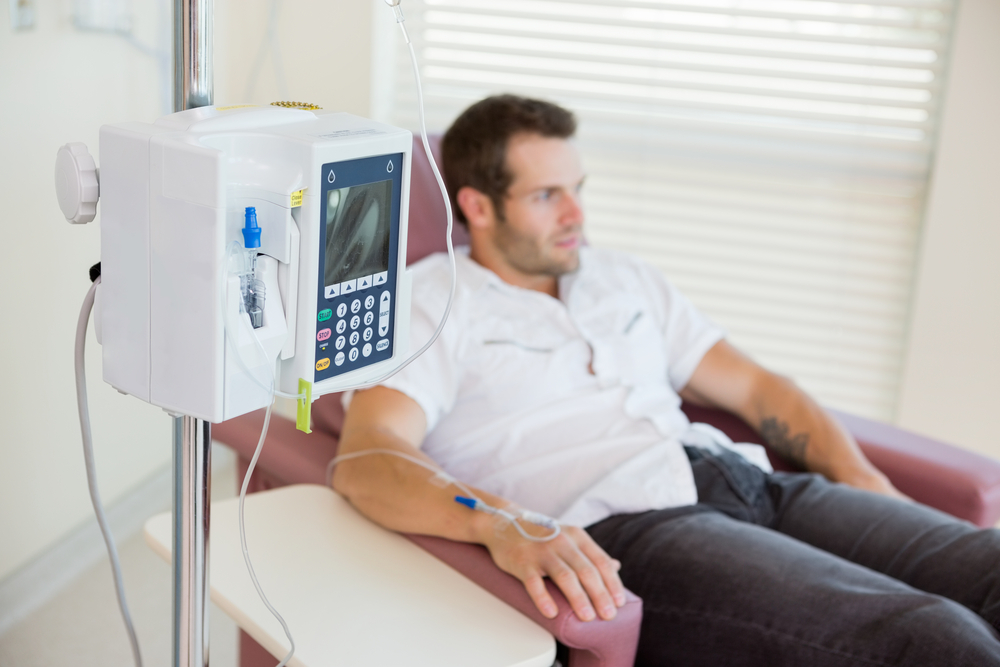
Chemotherapy – Chemotherapy is a treatment procedure which is only given to patients when hormone therapy remains ineffective because the cancerous cells are not estrogen receptor positive (ER+). This treatment procedure is performed in combination with other cancer-killing medications. The chemotherapy treatment is usually given every two to three weeks and lasts for six months. Some of the common side effects of chemotherapy are hair loss, skin rashes, infertility, loss of appetite, mouth ulcers, and tiredness.
-
Medicines – Doctors prescribe medicines based on an individual’s health condition, diagnosis, and treatment needs. Tamoxifen, among other medications, may be prescribed for certain patients with male breast cancer, particularly those with hormone-receptor-positive disease. Take the medication strictly as prescribed, including the recommended dose and treatment duration. Patients should not change the dose, stop treatment, or use the medicine without medical guidance.
Takeaway
It’s your life; live the way that keeps you healthy and happy. To prevent breast cancer in men and women, periodic diagnosis is helpful. If you find any change in the chest region, then don’t ignore the sign because it may cause some of the above-mentioned symptoms. If you find any change in your breast, then rush to your doctor; he will prescribe or recommend the most effective treatment option.
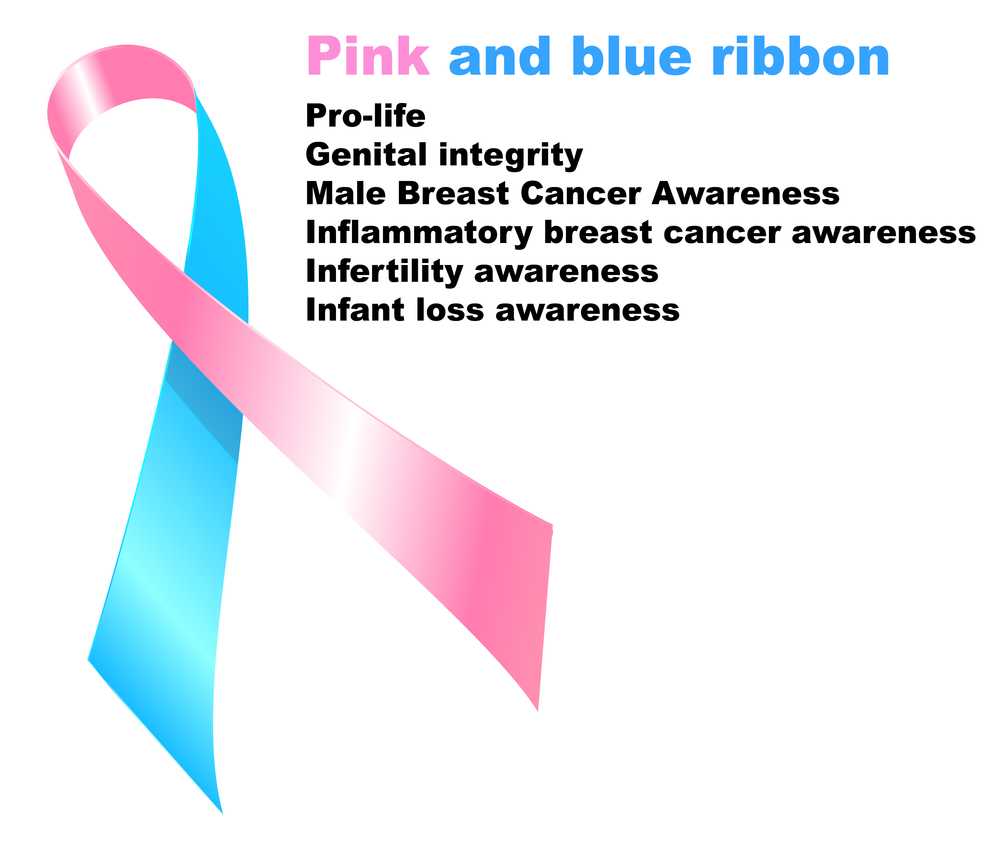
Also Read: Pink Ribbon: Understanding Breast Cancer.