
A leukaemia patient’s body produces too many white blood cells. These changes can contribute to various skin symptoms. Leukaemia treatment also affects the skin. In this article, we will discuss skin changes associated with leukaemia (leukaemia symptoms), how to recognize them, and which treatments can help.
Introduction
You notice a purple mark on your leg while getting dressed. You cannot remember bumping into anything, so you brush it off. A few days later, another bruise appears, or you start noticing tiny reddish spots around your ankles. Should you be worried? There is no reason to assume the worst every time a mark appears on your skin. Bruises, rashes, and infections are common, and most have explanations unrelated to cancer. However, when these problems keep returning, or several occur together, it is worth finding out why.
Leukemia is a cancer that affects blood-forming cells. It can disrupt healthy blood cell production, sometimes causing unusual bleeding, skin changes, and difficulty fighting infections. Here is what these symptoms may look like and when they deserve medical attention.

Can a rash be an early sign of leukemia?
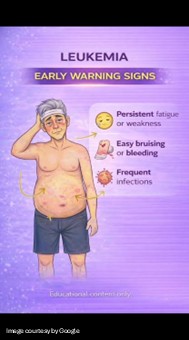
Sometimes, what looks like a rash isn’t a typical skin rash. It may consist of tiny spots caused by blood leaking from small vessels beneath the skin. Doctors call these spots petechiae. On lighter skin, they can look red or purple and may appear brownish or deep purple on darker skin. The spots are usually flat, and pressing them generally does not make them disappear. Why does this happen? Platelets help stop bleeding after an injury. When leukemia affects normal blood cell production, the platelet count may fall. Small blood vessels can then leak blood into the skin more easily. Not everyone with leukemia develops these marks, and petechiae can occur for reasons other than cancer. If you searched for leukaemia rash pictures, you may have noticed the images look quite different from one another. That is because the term can describe several skin changes, not one distinctive rash. Online photographs cannot establish the cause of a person’s symptoms.
Appearance of bruises with no clear reason
Most bruises follow a knock or an accidental bump, even if the injury seems too minor to remember. Repeated bruising without an obvious cause is different, particularly when the marks are unusually large or appear in several places. In leukemia, the bone marrow may struggle to make enough healthy platelets. With fewer platelets available, bleeding beneath the skin can happen more easily. This may lead to leukemia bruises on the arms, legs, back, or other parts of the body. You might also notice bleeding gums when brushing your teeth or more frequent nosebleeds than usual. Some people experience heavier menstrual bleeding. These signs can also have other causes, including certain medications and medical conditions that affect clotting. But don’t overlook unexplained bruising leukaemia as a concern, especially when it is accompanied by unusual bleeding or persistent tiredness.
Other changes you may notice on your skin
Skin changes can sometimes offer clues about what is happening inside the body, but they rarely tell the whole story. Along with petechiae and bruises, possible leukemia skin symptoms include:
-
Dark patches beneath the skin: These may be areas where blood has collected outside small blood vessels.
-
Pale-looking skin: A shortage of red blood cells can make someone look unusually pale or feel tired and weak.
-
Firm bumps or raised patches: In rare cases, leukaemia cells can enter the skin and form visible lesions.
-
Persistent itching: Some people report itching, although it is not specific to leukemia and often has another cause.
The appearance of leukemia spots on the skin depends partly on skin tone and why the marks developed. They may be difficult to distinguish from ordinary bruises, small blood vessel changes, or other skin conditions. If a new rash spreads quickly, does not fade when pressed, or appears with fever or feeling unwell, seek prompt medical advice. Do not wait for additional symptoms to appear.
Also Read: 8 Mental Tips for Coping with Cancer Treatment
Why do some people with leukemia get frequent infections?
Think about how your body usually handles a cold. You may feel unwell for several days and then gradually recover. If infections keep coming back or seem unusually difficult to shake off, your immune system may need attention. White blood cells help the body recognize and fight infections. Leukemia can disrupt their normal production and function. Even when the blood contains a high number of white blood cells, many may be abnormal and unable to protect the body effectively. This is why leukaemia and frequent infections are often linked. People may experience repeated fevers, persistent sore throats, recurring mouth ulcers, and infections that take longer than expected to improve. Repeated infections do not automatically indicate leukemia. Other health issues, medication use, and routine exposure to germs can also contribute to blood cancer. The combination of frequent infections accompanied by unexplained bruising, bleeding, or persistent fatigue is a stronger reason to seek medical assessment. Anyone undergoing leukemia treatment should follow their medical team’s fever instructions. Some treatments reduce infection-fighting cells, so prompt assessment is especially important.
What other early symptoms of leukemia should you know about?
Not everyone notices skin changes first. For some people, the first clue is a persistent feeling that something isn’t right. Early symptoms of leukemia may include exhaustion that continues despite adequate rest, dizziness, or getting out of breath during activities that were previously easy. These problems can occur when the body has too few healthy red blood cells. Other possible symptoms include:
-
Fevers that keep returning
-
Night sweats that repeatedly soak sleepwear or bedding
-
Weight loss without a clear reason
-
Swollen lymph nodes in the neck, armpits, or groin
-
Discomfort or fullness beneath the ribs
-
Bleeding gums or repeated nosebleeds
These symptoms overlap considerably with those of less serious illnesses. For example, feeling tired can result from poor sleep, anaemia, stress, or many other conditions. What matters is whether the symptoms persist, worsen, or occur alongside other unexplained changes.
Explore affordable anticancer options
Affordable anticancer options rely on authentic branded medications or high-quality generic versions. ReliableRxPharmacy’s anticancer range lets you access authentic anticancer drugs at the best price.
Takeaway!
Leukaemia cannot be diagnosed by casually checking the skin, and never consider online images as a substitute for medical testing. If you have persistent unexplained bruising, unusual spots, repeated infections, or other ongoing symptoms, arrange an assessment. Finding the cause is the most useful next step, whether it’s leukemia or something much more common.
FAQs
1. What does a leukemia rash look like?
Skin changes linked to leukemia may appear as scattered pinprick-sized marks, purple patches, or unusual lumps. Their appearance varies by individual, and similar changes can occur with non-cancerous conditions.
2. What do leukemia bruises look like, and where do they usually appear?
Some people develop dark marks without any prior injury. These bruises may develop on the thighs, arms, legs, or torso and sometimes occur alongside bleeding gums or nosebleeds.
3. Are tiny red or purple spots on the skin a sign of leukemia?
Small, flat spots that remain visible when pressed may be petechiae, caused by bleeding beneath the skin. They are not exclusive to leukemia, so their cause should be assessed medically.
4. Why does leukemia cause frequent infections and unexplained bruising?
When leukemia disrupts bone marrow function, platelet production may decrease, and infection-fighting white blood cells may not function properly. This can make bleeding easier and leave the body more vulnerable to infections.
5. What are the early warning signs of leukemia in adults?
Early warning signs of leukemia in adults include unusual fatigue, recurring fevers, persistent infections, swollen lymph nodes, or bleeding that seems out of the ordinary. Some adults notice very few symptoms at first.
6. When should unexplained bruising or a skin rash be checked by a doctor?
See a healthcare specialist if unexplained bruising or a skin rash lasts more than two weeks, worsens quickly, or comes with warning signs such as bleeding gums, high fever, nosebleeds, or extreme tiredness.