

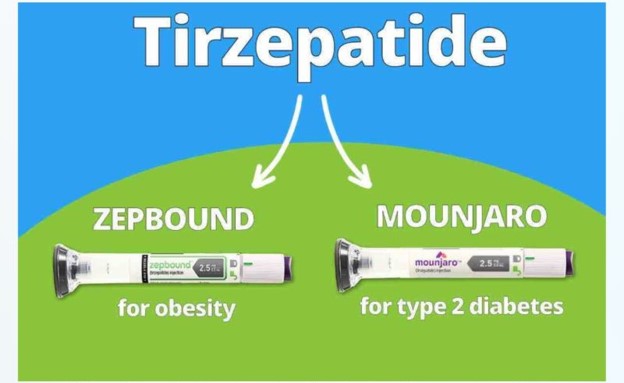
Tirzepatide is popular for its dual-action mechanism with two well-known prescription drugs: Mounjaro and Zepbound. One treats type 2 diabetes, the other treats weight loss, and both contain the same active ingredient. This guide skips the confusing science terms and explains what tirzepatide is, how it works in your body, and what starting treatment looks like.
What is Tirzepatide?
Tirzepatide is an FDA-approved prescription medicine given as a once-weekly injection. Eli Lilly & Company manufactures Tirzepatid, which became available in 2022. It is sold under two brand names:
- Mounjaro — approved to manage blood sugar in adults with type 2 diabetes
- Zepbound — approved for weight loss in adults with obesity, or adults who are overweight with a related health issue like high blood pressure or high cholesterol. It’s also approved to treat moderate-to-severe sleep apnea in adults with obesity.
Here’s the surprising part: Mounjaro and Zepbound are the exact same drug. Same ingredient, same manufacturing. The only difference is which condition each one is approved to treat.
Why does Tirzepatide work differently?
After you eat, your gut releases hormones that tell your brain and pancreas what to do. These hormones control how hungry you feel, how much insulin your body releases, and how fast food moves through your stomach.
Older medications, like semaglutide (sold as Ozempic and Wegovy), boost just one of these hormones, called GLP-1. But Tirzepatide boosts two hormones: GLP-1 and a second one called GIP.
Think of GLP-1 as one hand helping manage your appetite and blood sugar. GIP is a second-hand doing complementary work. Scientists believe GIP helps your body process fat more efficiently and improves your cells’ sensitivity to insulin. Activating both hormones together creates a stronger effect on appetite, fullness, and blood sugar than either one alone.
That’s the whole idea behind tirzepatide: two hormone signals working together instead of one.
How does the body respond when taking Tirzepatide?
Most people who start tirzepatide notice:
- Feeling full faster when eating, and staying full longer between meals
- Food cravings and constant “food noise” often quiet down
- Steadier blood sugar levels after meals for people with diabetes
- Slower digestion, since the medication affects how quickly your stomach empties
That slower digestion is part of why it works well for appetite control; food sitting in your stomach longer keeps you feeling satisfied. It’s also behind most of the side effects, covered below.

Is Tirzepatide the same as Ozempic?
This mix-up comes up a lot. Ozempic and Wegovy contain the same ingredient, semaglutide, which acts only through the GLP-1 pathway. Tirzepatide works through both GLP-1 and GIP. They are from the same drug family, same weekly injection, but not the same medication.
In studies directly comparing the two, tirzepatide has generally shown stronger average weight loss than semaglutide, likely due to its added GIP activity. That doesn’t make tirzepatide automatically the better choice for everyone, though. Individual response, side-effect tolerance, and cost are all factors that make sense for you.
Who can take Tirzepatide?
Tirzepatide is commonly prescribed to patients who have:
- Type 2 diabetes (Mounjaro): Adults whose blood sugar isn’t well controlled through diet, exercise,
and other medications alone. Also approved for some adolescents aged 10 and older.
- Weight management (Zepbound): Adults with a BMI of 30 or higher, or a BMI of 27 or higher with a related health condition like high blood pressure, high cholesterol, or type 2 diabetes.
- Obstructive sleep apnea (Zepbound): adults with obesity who also have moderate-to-severe sleep apnea.
This medicine is not for everyone. People with a personal or family history of a rare thyroid cancer, or a condition called MEN 2, shouldn’t take it. It also hasn’t been studied in people with a history of pancreatitis or certain severe digestive conditions, so your doctor will review your full medical history first.
Dosage and administration methods of Tirzepatide
Treatment with Tirzepatide starts low — 2.5 mg once a week, for about the first month. This dose isn’t meant to produce major results; it lets your body adjust gradually. Once your body accepts the medicine, your doctor typically increases the dose every 4 weeks in small steps, working toward a target dose of 5-15 mg weekly, depending on your response and the condition you are being treated for. This slow approach is designed to reduce side effects; jumping straight to a high dose can cause much rougher digestive symptoms.
The injection is simple: a prefilled pen, given once a week in the stomach, thigh, or upper arm. Most people learn to do it themselves at home after a demonstration from a doctor, nurse, or pharmacist.
Expected timeline to experience results from Tirzepatide
Tirzepatide isn’t a magic fix on its own; it’s approved for use alongside a healthier diet and regular activity, not as a replacement for them. It also isn’t necessarily a forever medication for everyone. Some people use it for a defined period to reach a goal, while others continue it long term as part of managing an ongoing condition like diabetes. It’s worth asking your doctor early what stopping treatment might look like, since appetite and blood sugar patterns can shift back once the medication is out of your system.
Don’t expect overnight results. Because the dose increases slowly over the first couple of months, most people don’t notice dramatic changes in the first week or two. Appetite changes are often noticeable earlier, sometimes within the first few weeks, while significant weight loss or blood sugar improvement becomes clearer over two to three months and beyond.
In studies, many people using tirzepatide for weight management lost between 15% and over 20% of their body weight over about a year and a half, with results varying by dose and individual factors. For diabetes, meaningful improvements in blood sugar were also commonly observed before that point.
Common side effects of Tirzepatide
Since tirzepatide slows digestion, most side effects show up in your stomach and gut, especially in the first few weeks after starting or increasing your dose. The most common ones are nausea, diarrhea, constipation, vomiting, and reduced appetite. These tend to be mildest at lower doses and can get more noticeable as the dose increases, which is why the slow schedule matters. Most people find that these symptoms ease up as their body adjusts.
Less common side effects include fatigue, mild injection site reactions, and occasional reflux or indigestion. Rare but more serious risks include pancreatitis, gallbladder problems, and a theoretical risk of thyroid tumors based on animal studies, which is why it’s avoided in people with certain thyroid cancer histories.
A few tips that help during the early adjustment period: eat smaller meals instead of big ones, avoid greasy or rich food, eat slowly, and stay well hydrated, especially if you experience diarrhea or vomiting.
Frequently Asked Questions
Do I have to be diabetic to take tirzepatide?
No. Zepbound is approved for weight loss and sleep apnea in people without diabetes, as long as you meet the BMI and health condition criteria. Mounjaro is the diabetes-specific version.
Will I need to take tirzepatide forever?
Not necessarily. Some people use it for a set time to reach a goal, while others — especially those managing type 2 diabetes — may stay on it in the long term. Discuss this with your doctor as part of your treatment plan.
Can I drink alcohol while taking tirzepatide ?
Moderate drinking is generally fine, but heavy drinking can worsen nausea and other digestive side effects, and alcohol can affect blood sugar in people with diabetes. Ask your doctor about your specific situation.
What happens if I miss a tirzepatide dose?
Guidance depends on how much time has passed since your missed dose, so ask your pharmacist or doctor directly, timing matters with a once-weekly medication.
Is it safe to combine tirzepatide with other medications?
Many people combine tirzepatide with other treatments, including certain diabetes medications. Combining it with another GLP-1 or GIP-based drug isn’t recommended. Always share your full medication list with your prescriber.
The bottom line
Tirzepatide works by boosting two natural gut hormones — GLP-1 and GIP, rather than just one, which is why it tends to produce stronger appetite control and better blood sugar control than earlier medications. Whether it’s right for you depends on your health situation, goals, and how your body responds, a conversation worth having with a doctor, not something to decide based on what you’ve seen online. Going in with realistic expectations about the slow dose increase, the early adjustment period, and supporting lifestyle habits will set you up for a smoother experience.
This article is for general informational purposes and does not replace advice from a licensed healthcare provider. Whether tirzepatide is right for you should always be determined by a doctor.