
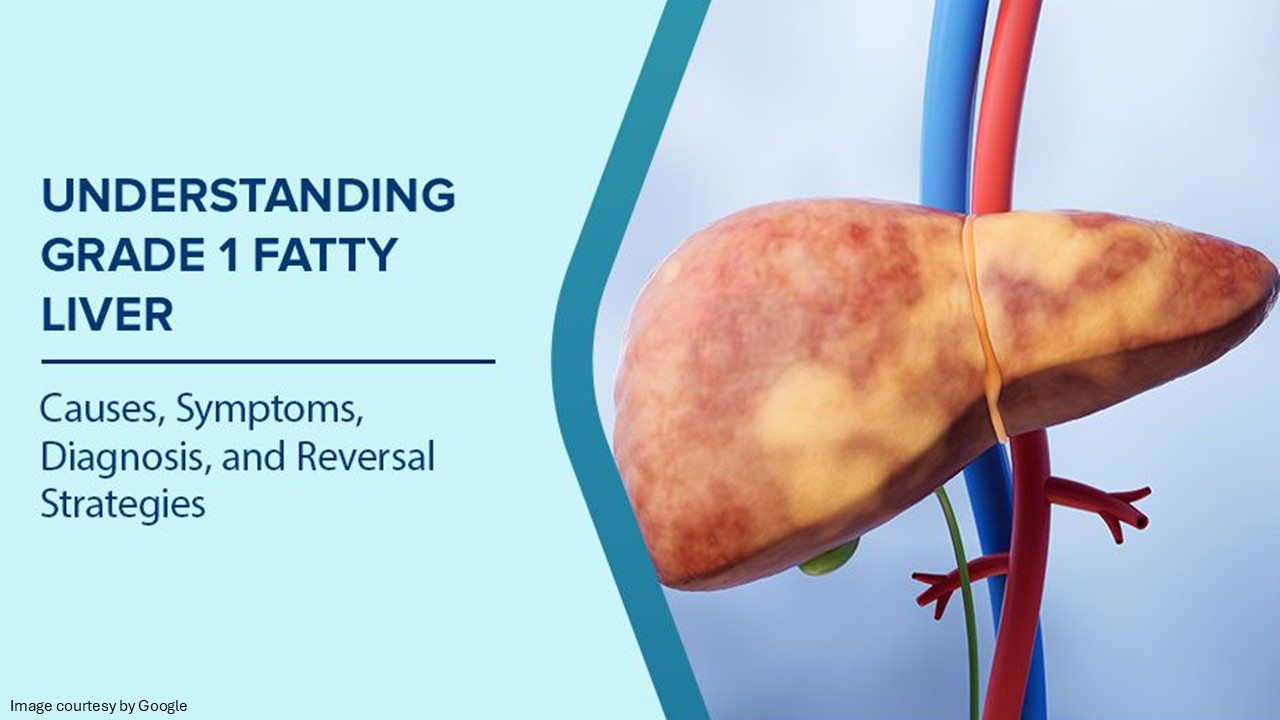
Grade 1 fatty liver is the earliest stage of fatty liver disease and is often considered a reversible condition when addressed at the right time. It develops when excess fat accumulates in liver cells, usually due to lifestyle and metabolic imbalances. Although healthcare experts describe this condition as mild, it should not be ignored. With the right understanding of grade 1 fatty liver, its symptoms, causes, treatment, and a structured fatty liver diet plan, it is possible to restore liver health effectively.
Introduction: What makes grade 1 fatty liver different from other stages?
Unlike advanced liver conditions, grade 1 fatty liver, also known as mild hepatic steatosis, involves minimal fat accumulation and no visible scarring or inflammation. This makes it the most manageable stage as it is considered the initial phase of the condition. However, it is also the stage most people overlook because grade 1 fatty liver symptoms are not always obvious. The key advantage here is timing. If corrective steps are taken early, individuals can learn how to reverse fatty liver without complex treatments.
Fatty liver symptoms that often go unnoticed
Most individuals with grade 1 fatty liver do not experience severe discomfort, but the body may still show subtle signs. Let us know those different signs of grade 1 fatty liver:
- Increased triglyceride levels: Well, there is a strong association between fatty liver and elevated triglycerides, as elevated triglycerides have been shown to cause symptoms such as fat deposits under the skin or around the eyes.
- Fatigue: A common complaint is persistent tiredness despite sufficient rest. This fatigue often results from the liver struggling to perform its metabolic functions efficiently.
- Abdominal discomfort: Another mild but important symptom is a feeling of heaviness or dull pain in the upper right abdomen.
- High blood sugar: People with fatty liver often develop insulin resistance, leading to higher blood sugar levels and possibly symptoms such as increased thirst and frequent urination.
- Stomach problems: Digestive issues such as bloating, irregular appetite, or nausea may also develop gradually.
- General malaise: A feeling of unwellness and discomfort is associated with fatty liver.
- Unexpected weight gain: Some people notice a slow but steady increase, particularly around the abdomen.
These early fatty liver symptoms may seem insignificant, yet they indicate that the liver is under stress and requires attention.
Also Read: Want a Healthy Liver? Avoid Alcohol
Causes of fatty liver: Why fat builds up in the liver
Understanding the different causes of fatty liver is essential for prevention and treatment.
- Poor diet: The condition is primarily linked to lifestyle patterns, including poor diet. Excess consumption of sugary foods and refined carbohydrates plays a major role. When the body receives more calories than it needs, the liver converts the excess into fat. Over time, this fat accumulates within liver cells.
- Metabolic syndrome: This conglomeration of health conditions, such as high blood pressure, obesity, diabetes, and excessive cholesterol levels, contributes to an increased risk of fatty liver.
- Insulin resistance: Insulin resistance, which is commonly associated with obesity and type 2 diabetes, also accelerates fat storage in the liver.
- Excessive alcohol intake: While fatty liver under the grade 1 category is often related to non-alcoholic causes, excessive alcohol intake can result in fat accumulation in the liver cells, often termed as alcoholic fatty liver disease.
- Certain medications: Some corticosteroid medicines, certain antiviral medications, and some chemotherapy medications can cause fat accumulation in the liver.
- Hereditary causes: Your genes may also play a role in the susceptibility to fatty liver. Some people may be more predisposed to developing liver disease even after sticking to a healthy lifestyle.
- Physical inactivity further contributes to the problem by reducing the body’s ability to burn stored fat.
Identifying these triggers is a foremost important step toward choosing the right fatty liver treatment.
Fatty liver treatment: A practical and sustainable approach
There is no instant cure for grade 1 fatty liver, but the condition responds extremely well to consistent lifestyle improvements. The goal of fatty liver treatment is to reduce fat accumulation and improve liver function over time. Weight reduction is one of the most effective strategies. Even a modest weight loss can significantly reduce liver fat. Regular exercise enhances metabolism and helps the body utilise fat more efficiently. Controlling blood sugar levels and cholesterol is equally important, especially for individuals with metabolic conditions. Avoiding alcohol is strongly recommended, as it can slow down recovery and worsen liver damage. Many individuals also explore supportive options and choose to buy liver support meds online from trusted pharmacies. When used responsibly and under guidance, these products may help improve liver function and accelerate recovery.
Fatty liver diet plan: The foundation of recovery
A well-balanced fatty liver diet plan is essential for reversing the condition. The focus should be on foods that support liver health while reducing fat accumulation.
- Incorporating fresh vegetables, fruits, and whole grains helps provide fibre and essential nutrients that regulate metabolism. Lean protein sources such as legumes, fish, and poultry support tissue repair and maintain muscle mass. Healthy fats, including those from nuts, seeds, and olive oil, can help reduce inflammation when consumed in moderation.
- Staying hydrated also supports the liver’s detoxification processes. At the same time, it is important to limit foods that contribute to fat buildup.
- Sugary drinks, processed snacks, refined carbohydrates, and fried foods should be avoided.
- Alcohol consumption should be eliminated during recovery.
A disciplined and consistent fatty liver diet plan can significantly improve liver health within a few months.
Also Read: Cirrhosis of the Liver: Signs & Symptoms, Causes, Stages
How to reverse fatty liver naturally and effectively?
For those seeking how to reverse fatty liver, the answer lies in combining multiple healthy habits rather than relying on a single solution.
- Daily physical activity plays a crucial role. Even moderate exercise, such as walking, can improve liver health when done consistently.
- A calorie-controlled diet helps prevent further fat accumulation and supports gradual weight loss.
- Sleep quality and stress management also influence liver health. Poor sleep and chronic stress can disrupt metabolic balance, slowing recovery.
- Maintaining a healthy routine helps the body heal more efficiently. In addition to lifestyle changes, doctors may recommend and prescribe liver-supportive medications as part of a patient’s recovery plan. When sourced from reliable platforms like ReliableRxPharmacy, these supplements or medications can complement dietary efforts and enhance results. One can conveniently buy liver support medicine online at affordable prices.
Conclusion
Grade 1 fatty liver is a reversible condition that provides an opportunity to take control of your health before complications arise. With sufficient knowledge of the condition and a determination to change, recovery is highly achievable. Following a structured fatty liver diet plan, maintaining an active lifestyle, and exploring trusted online options for liver support meds can significantly improve outcomes. For those committed to learning how to reverse fatty liver, the path is simple: consistency, balance, and informed choices. Taking the right steps today can ensure a healthier liver and a better quality of life in the future.