

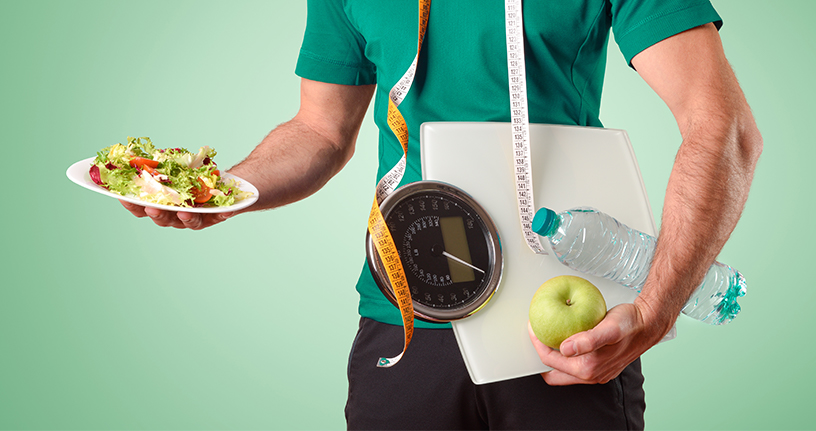
Sticking to a diet plan is key to successful weight loss. However, one challenge we struggle with is thinking we must cut down on how much we eat. This can leave us food-deprived and ultimately lead most of us to give up. This guide looks at ways and foods for weight loss, foods to eat enough, satisfy your appetite, and still lose weight. Also, discover effective weight loss supplements or fat-burning tablets.
The best way to lose weight: tips and tricks
You lose weight when you eat fewer calories than you burn. Adding regular physical activity to your routine while limiting your calorie intake increases your chances of losing weight. More physical activity will also help you maintain your weight after you lose it. Discuss appropriate calorie levels and serving sizes with your nutritionist for successful weight loss.
-
-
Create a written food and physical activity journal. Stick to your diet plan for weight loss.
-
Select healthy foods for weight loss, including foods that burn belly fat.
-
Weigh yourself every week with the same amount of clothing.
-
Don’t skip breakfast or any other meal. Skipping meals will ultimately make you overeat and choose unhealthy foods.
-
Plan your daily meals and try to eat around the same time each day.
-
Turn off the television or computer while snacking or eating meals.
-
Eat slowly; take half an hour to complete your meals. Usually, an individual feels full in twenty minutes, so wait twenty minutes after your first serving and before taking a second serving.
-
Add protein-rich foods to your diet to help you feel full sooner.
-
Lessen the amount of fat and sugar in your diet. Eat more fibre, including vegetables, fresh fruits, and whole grains.
-
Limit fried and fast foods.
-
Avoid keeping problem foods near you. A problem food is one you eat too often because it is easily and readily available.
-
Stay hydrated. Drink up to eight glasses of water daily. Avoid caffeine and high-calorie beverages.
-
Get enough sleep each night.
-
How to achieve a calorie deficit for effective weight loss
Understanding energy density is important for creating a calorie deficit for effective weight loss. Energy density is the amount of energy per gram of food. Foods with lower energy density provide less energy per gram, so you can eat larger portions for fewer calories. A larger amount of food helps you feel full and satisfy your appetite as you try to lose weight. You can lower the energy density of your diet by reducing fat and increasing high-fibre, water-rich foods, such as pulses or vegetables, in your meals. This is because fat is calorie-dense per gram, whereas fibre is low in energy. Water-rich foods can add volume to a meal, helping you feel fuller without adding extra calories. Most energy-dense foods carry high sugar content, so you can also cut energy density by restricting the added sugar content in your diet.
Understanding energy density can help you lose extra pounds without feeling deprived and maintain a healthy weight long term.
-
-
Good choices on a low-energy-dense diet
-
Foods with high water content
-
Foods containing fibre
-
High protein food
-
Foods that are lower in fat
-
Foods lower in energy density
Eating a well-balanced diet is important. A healthy diet includes a wide range of lower-energy-density foods. The best foods for weight loss help you feel full and satisfied.
-
-
Pulses (peas, lentils, and beans): Chickpeas, red kidney beans, baked beans, butter beans, and lentils. These protein-rich foods provide fibre and are low in fat. Pulses also contain a high amount of vitamins and minerals.
-
Fruits and vegetables: Fruits and vegetables high in water, including oranges, raspberries, apples, carrots, broccoli, cucumber, and tomatoes, also provide fibre. These are considered good sources of vitamins and minerals.
-
Potatoes and cereal-based foods that absorb water while cooking: Choose wholegrain versions of cereal-based foods such as pasta, rice, and noodles.
-
Low-fat and fat-free dairy products: semi-skimmed milk, low-fat or fat-free lower sugar or plain yogurt, reduced-fat soft cheese, cottage cheese. Switching to lower-fat dairy products instead of full-fat dairy products can help lower your saturated fat intake.
-
Vegetable-based dishes: Noncreamy soups, vegetable-based stews, and sauces.
-
Low-fat non-veg – Poultry, lean meat, eggs, fish, and shellfish.
-
Food with high energy density
Higher-density foods usually contain high amounts of fat or sugar with little water and fibre, offering more calories per diet. If you consume these foods, try to consume less and in small amounts:
-
-
Fried foods
-
Snacks
-
Pastries, cakes, pies, and desserts
-
Fatty meals
-
Higher-fat dairy products and butter
-
Healthy food choices with higher energy density
While adding lower-energy foods can support weight loss, some higher-energy foods are useful for a balanced diet.
-
-
Unsalted nuts, nut butter, and seeds
-
Unsaturated oils (olive and rapeseed), salads and unsaturated spread for bread
-
Avocados
-
Do diet supplements work for weight loss?
Some people consider dietary supplements to speed up their weight loss. These supplements provide extra nutrients and help people reach weight-management goals. Supplements can support weight loss when used under a health care professional’s supervision. However, use them cautiously to avoid potential side effects. Consult a healthcare provider or nutritionist.
Obelit capsules for weight loss
When prescribed, weight loss medicine can treat obesity and help with weight loss. Obelit 60 mg reduces the absorption of fat from the food you eat. A doctor may prescribe it to help obese individuals lose weight. Speak to your doctor to learn the best approach if diet alone doesn’t meet your weight-loss expectations.
Verdict!
A healthy diet and weight loss go hand in hand and support overall health. Studies found that a low-fat diet consistently demonstrated significant weight loss. Obese and diet-conscious people often look for fat burning foods or foods that burn belly fat; consult a doctor to understand weight-loss diets and a medication plan that can help.
