

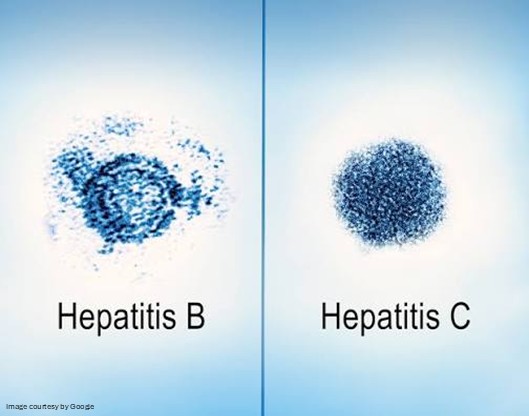
Living with hepatitis B does not always mean starting medication immediately. Chronic hepatitis B is a long-term infection that can affect the liver differently from one person to another. Some people may only need regular monitoring, while others may benefit from antiviral therapy to suppress the virus and reduce the risk of liver damage.
Understanding chronic hepatitis B treatment, including when treatment is considered, which medicines may be used, and how long therapy can continue, can help patients make informed decisions with their healthcare provider.
What Is chronic hepatitis B?
Hepatitis B is caused by the hepatitis B virus (HBV), which can infect the liver. When hepatitis B surface antigen remains present for at least six months, the infection is considered chronic. Chronic HBV can remain relatively quiet for years, but it may also cause ongoing liver inflammation and increase the risk of complications such as cirrhosis and liver cancer. The condition is dynamic, so doctors don’t base treatment decisions on a single blood test result. Doctors consider factors such as HBV DNA levels, ALT results, liver fibrosis or cirrhosis, age, and other individual risk factors.
When to start hepatitis B treatment
So, when to start hepatitis B treatment? No single treatment threshold applies to everyone. Current guidance has expanded treatment eligibility, and doctors assess the overall risk of liver disease when deciding whether antiviral therapy is appropriate. Treatment may be considered when there is evidence of significant liver inflammation or fibrosis, cirrhosis, or other clinical factors suggesting a higher risk of disease progression. People with chronic HBV should therefore have their infection assessed by a qualified healthcare professional rather than deciding on treatment solely from symptoms.
When does chronic hepatitis B need treatment?
The answer depends on the patient’s disease phase and liver health. Some people with chronic HBV may have low viral activity and require observation rather than immediate medication. Others may have active infection or liver damage, in which case antiviral therapy is recommended. The 2024 WHO guidelines simplified and expanded treatment eligibility, while the 2025 AASLD/IDSA guidance provides updated recommendations for different phases of chronic HBV.

What is chronic hepatitis B medication?
The main chronic hepatitis B medication options include oral antiviral medicines that suppress HBV replication. Current AASLD guidance identifies entecavir, tenofovir disoproxil fumarate (TDF), and tenofovir alafenamide (TAF) among the recommended nucleos(t)ide analogue therapies. These medicines do not instantly remove every trace of HBV from the body. Instead, they reduce viral replication and help lower the risk of progressive liver disease. The appropriate medicine depends on factors such as kidney health, bone health, pregnancy status, previous treatment, and other medical conditions. Patients should never start, switch, or discontinue hepatitis B medication without medical supervision.
What to expect during hepatitis B treatment
Knowing what to expect during hepatitis B treatment can make long-term care easier to understand. For people prescribed antiviral therapy, treatment generally involves taking the medicine consistently and attending follow-up appointments. Doctors may monitor HBV DNA, liver enzymes, kidney function, and other relevant markers depending on the medicine and the patient’s circumstances. Monitoring helps determine whether the virus is adequately suppressed and whether treatment remains appropriate. Treatment is only one part of hepatitis B care. Some patients also require ongoing assessment for liver fibrosis or cirrhosis and, when indicated, surveillance for hepatocellular carcinoma.
How to monitor chronic hepatitis B
Learning how to monitor chronic hepatitis B is important even when medication is not immediately required. Regular medical follow-up can help identify changes in viral activity or liver health before complications develop. Monitoring may include liver blood tests, HBV DNA testing, hepatitis B serology, and assessment of liver fibrosis. Depending on individual risk, healthcare professionals may also recommend imaging or other tests for liver cancer surveillance. WHO’s updated hepatitis B guidance includes treatment monitoring and liver-cancer surveillance. Missed follow-up appointments can make it harder to detect changes in the infection, so patients should follow the monitoring schedule their healthcare provider recommends.
How long does hepatitis B treatment last?
There is no universal treatment duration. For many people taking oral antiviral therapy, treatment can be long-term and may continue for years. WHO notes that most people who start treatment need to continue it for life. The 2025 AASLD guidance also emphasizes caution around stopping nucleos(t)ide analogue therapy. In certain adults without cirrhosis, therapy should generally not be withdrawn until hepatitis B surface antigen (HBsAg) loss, according to the guideline recommendation. This is why stopping treatment simply because a person feels well can be dangerous. The treating clinician should decide whether to discontinue medication, with appropriate follow-up.
Chronic hepatitis B
Living with chronic hepatitis B involves more than taking medication. Patients should maintain regular medical care, take prescribed medicines consistently, and discuss alcohol use, other medicines, supplements, and existing health conditions with their healthcare provider.
Family and household contacts should also discuss hepatitis B testing and vaccination with a healthcare professional where appropriate. People with chronic HBV can often continue their usual daily activities, but ongoing medical monitoring remains important.
Chronic hepatitis B treatment at ReliableRxPharmacy
Reliable Rx provides an online platform where customers can browse medicines and healthcare products. Patients searching for chronic hepatitis B medication can use the website to review available products and product information. Before ordering any prescription medicine, patients should have an appropriate prescription and confirm that the medicine, strength, manufacturer, and dosage match their healthcare provider’s instructions. RRx offers several prescription antiviral medicines relevant to chronic hepatitis B care, including Hepbest 25 mg (tenofovir alafenamide) and Lamivir HBV 100 mg (lamivudine). Patients should use these medicines only under appropriate medical supervision, as treatment selection depends on liver health, viral activity, previous therapy, and individual clinical factors. You can find these products in the HIV & herpes and stock clearance category.
Final thoughts
Chronic hepatitis B treatment is highly individualized. Not everyone with chronic HBV needs immediate medication, but everyone diagnosed with chronic infection should understand the importance of appropriate assessment and continued monitoring. Modern antiviral therapy can suppress HBV replication and reduce the risk of serious liver complications. The key is consistent medical follow-up, appropriate medication when indicated, and careful long-term monitoring. Current WHO and AASLD guidance emphasizses individualized treatment decisions and long-term care over a one-size-fits-all approach.
FAQs
1. What is the treatment for chronic hepatitis B?
Chronic hepatitis B treatment may include antiviral medicines that suppress virus replication. Regular monitoring helps assess liver health, viral activity, treatment response, and the risk of long-term liver complications.
2. When should chronic hepatitis B treatment be started?
Treatment should be considered when tests indicate significant liver inflammation, fibrosis, cirrhosis, or increased risk of disease progression. A healthcare professional determines the appropriate timing.
3. When does chronic hepatitis B need treatment?
Chronic hepatitis B may require treatment when viral activity, elevated liver enzymes, significant fibrosis, or cirrhosis indicates a higher risk of progressive liver damage and complications.
4. How is chronic hepatitis B treated?
Chronic hepatitis B is commonly treated with oral antiviral medicines that suppress HBV replication. Patients also need regular medical follow-up, blood tests, and liver health assessments.
5. What medicines are used to treat chronic hepatitis B?
Common medicines include tenofovir disoproxil fumarate, tenofovir alafenamide, and entecavir. Doctors choose treatment based on liver condition, kidney health, prior therapy, and individual patient factors.
6. How long does chronic hepatitis B treatment last?
Treatment duration varies among patients. Many people require long-term antiviral therapy, while some may eventually stop treatment under careful medical supervision and continued monitoring.
7. Can chronic hepatitis B be cured with treatment?
Current antiviral medicines usually suppress hepatitis B rather than eliminating the virus. Loss of hepatitis B surface antigen can occur, but it is relatively uncommon during treatment.
8. How do doctors decide when to start hepatitis B medication?
Doctors consider HBV DNA levels, ALT results, liver fibrosis, cirrhosis, age, family history, pregnancy status, and other health factors when deciding whether medication should begin.
9. What happens if chronic hepatitis B is left untreated?
Untreated chronic hepatitis B can cause progressive liver inflammation and increase the risk of fibrosis, cirrhosis, liver failure, and hepatocellular carcinoma over time.