

Toothache is a prevalent oral health concern affecting millions of people worldwide. This blog provides a comprehensive guide to toothache, exploring management options, including toothache medicines and home remedies.
Introduction
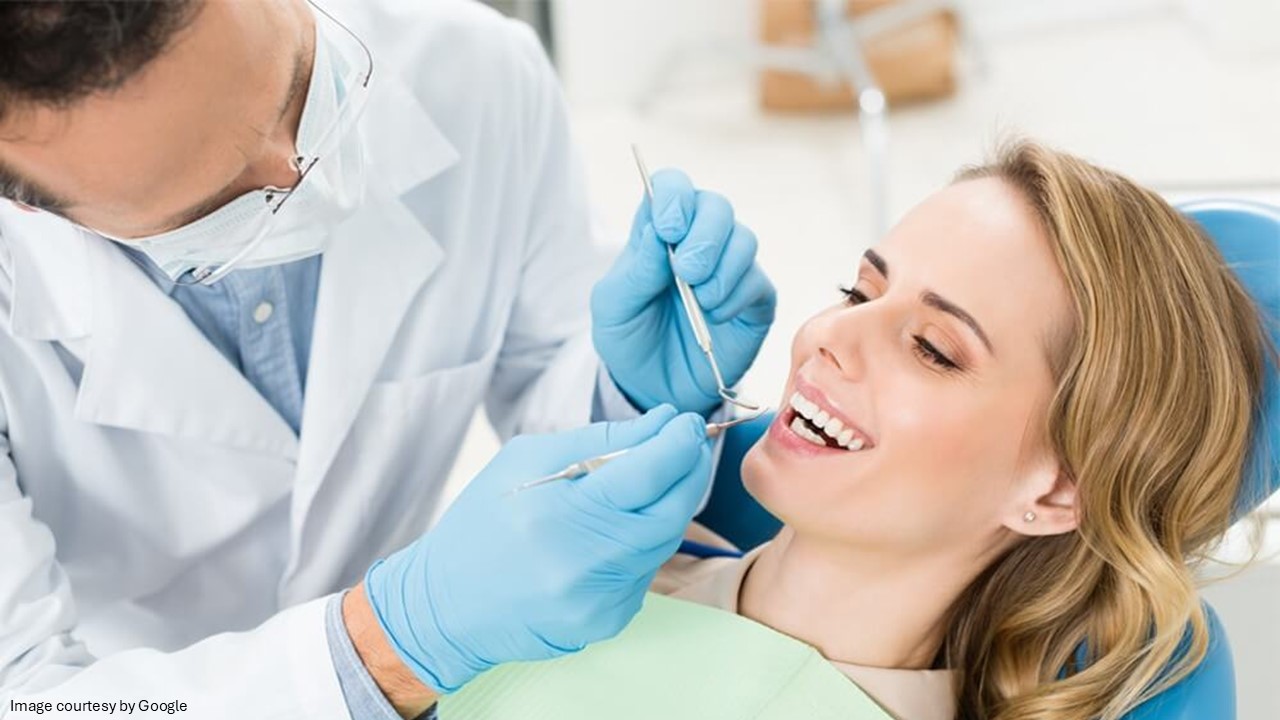
Dental pain, also known as a toothache, is pain in the teeth or their supporting structures that may result from dental or non-dental diseases. Dental pain is a serious problem affecting many people across the world. The pain in the teeth can be experienced in several ways, none of which is pleasant.
The type of tooth pain experienced usually indicates the level of decay in the problematic tooth. A toothache is usually felt around the tooth and can be caused by tooth decay, an abscessed tooth, a damaged filling, or infected gums. It occurs when microorganisms remain on the food you eat. The microorganisms form a sticky plaque that sticks to the surface of your teeth. You might have heard of enamel, the outer layer of a tooth that covers a softer inner layer called dentine. The sensitive layer of the tooth, dentine, has several microscopic tubes that emerge from the centre of the tooth. At the centre of the tooth, there is a pulp chamber, containing pulp made up of blood vessels and nerves. Damage in the dentine layer can contribute to some sort of discomfort, while damage that reaches the centre of the tooth is more likely to cause pain because of less structure to insulate and protect the pulp. Moreover, cavities are common; they are holes that develop in the enamel and dentin. Food particles accumulated in the cavities contribute to bacterial growth, and bacterial waste and food debris can cause pain. Heat or cold stimuli to the dental pulp’s nerves, such as from drinking hot or cold drinks, can cause sharp pain. Whereas bacterial entry into the pulp damages nerve cells, worsens oral health, and causes dull pain. The causes can range from tooth decay and tooth abscesses to tooth fractures, damaged fillings, and infected gums. This tooth/teeth pain is characterised by constant throbbing and may be triggered by food or drink.
Also Read: How to tackle Bad Breath?
Treatment and management
How to stop tooth pain? Well, dental treatment for a toothache depends on the underlying cause, and a dentist will decide on the best treatment after examining your condition and possibly taking X-rays. Here are common treatments for dental pain relief. Nonopioid analgesic options include acetaminophen and non-steroidal anti-inflammatory drugs (NSAIDs). These toothache medicines are highly effective for relieving mild to moderate dental pain and are among the most frequently prescribed by dentists. Acetaminophen is for temporary toothache relief of mild to moderate pain and fever. According to the American Dental Association, NSAIDs are comparatively more effective than other options for reducing dental pain. They are typically recommended as first-line therapy for treating toothache. These medications work by blocking certain enzymes to treat pain and inflammation. Examples of NSAIDs for tooth pain include aspirin, ibuprofen, naproxen, and diclofenac.
Another class of medicines are opioids, the painkillers that have the potential to reduce pain.These medications are effective for toothache relief and are generally safe when used for a short period as prescribed by the dermatologist. Examples of opioid analgesics for toothache include oxycodone, codeine, hydrocodone, and morphine.
If the reason behind your toothache is a bacterial infection, then you will likely receive antibiotic treatment. Some commonly prescribed antibiotics include clindamycin, amoxicillin, doxycycline, and azithromycin. Antibiotics are generally prescribed for dental infections, post-dental procedures, and gum diseases.
Topical anaesthetics are another type of toothache medicine that can help eliminate pain by numbing a sore area. These are available as creams and pastes that are applied directly to the sore throat.
Commonly prescribed topical anaesthetics often contain benzocaine or lidocaine as the active components.
Also Read: How to keep your teeth healthy
Drug-free options
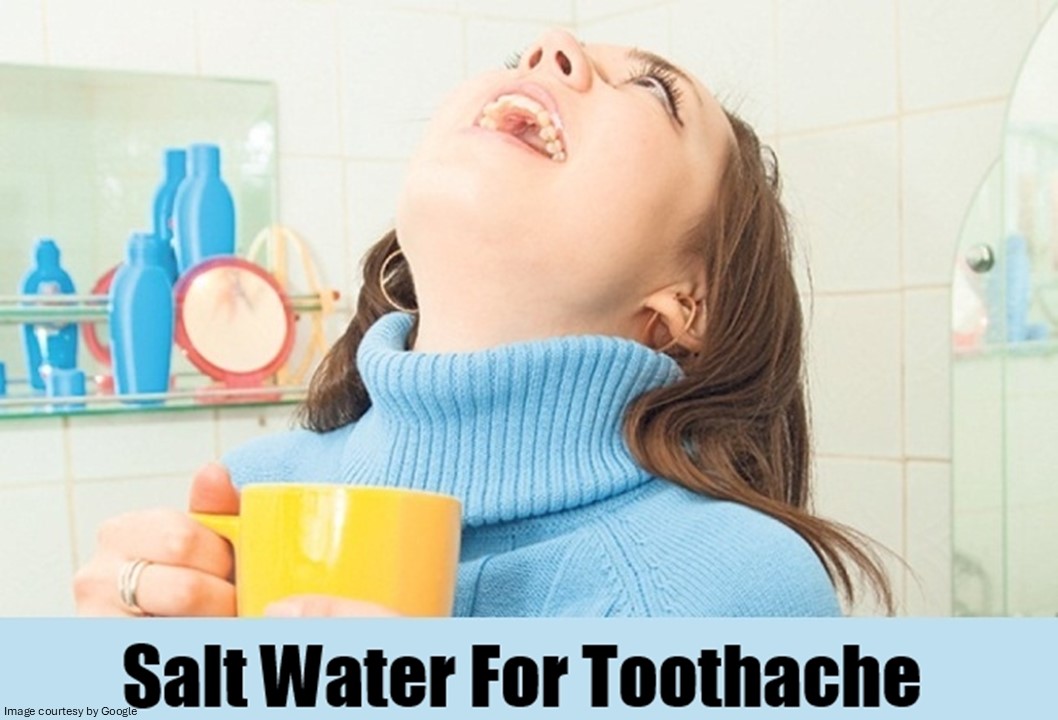
Those who wish to address their toothache with home remedies. Here are some alternatives or remedies for a toothache:
- Cold compress: Placing a cold pack on the side of the face can help reduce swelling and pain. You can do this by wrapping a cold pack in a cloth and then placing it against the side of the face.
- Saline solution: Washing yoru mouth with a saltwater rinse can help loosen debris between your teeth, which can worsen yoru sore tooth.
- Avoid triggers: Avoid everything that can worsen tooth sensitivity and pain. These may include hot, cold, sweet, or acidic foods and drinks that can worsen tooth sensitivity and pain.
- Maintain oral hygiene: Brush your teeth gently and floss them. Avoid vigorous brushing and flossing around the painful area.
- Switch to a soft diet: Consume soft, easy-to-chew foods to reduce discomfort and pain while eating.
- Acupressure: Some individuals opt for acupressure for dental pain relief. The technique involves gently applying pressure to specific points on the body, such as the hands or the space between the thumb and index fingers, which may help reduce pain.
- Rinsing with baking soda: Use a 1:1 ratio of baking soda to water, then rinse your mouth. This helps to neutralise acids in the mouth and reduce pain. Rise and spit out the mixture after swishing for some time.
- Hydrogen peroxide rinse: Washing your mouth with a diluted hydrogen peroxide solution and water can help reduce the number of oral bacteria and calm down inflammation. Swish the mixture around in your mouth for a few seconds, then spit it out.
Herbal methods
Visiting a dentist is the best way to treat the underlying cause of your dental pain. Various home remedies for a toothache can offer temporary relief and help you manage the pain until you visit a dentist. Here are some effective home remedies for a toothache you can try. Application of any of these: clove oil, peppermint oil, tea tree oil, turmeric paste, ginger/garlic, and gargling with lukewarm salty water can help soothe an inflamed tooth or gum. The antibacterial properties of some of these home ingredients can help fight infection and reduce pain.
Also Read: Foods that Cause Stained Teeth
Takeaway!
Toothaches are no fun! Now and then, we get the kind of tooth pain that sends us howling to the dentist. Rarely is it something we have no control over, as most of the time it can be avoided with a little care for our teeth. The best way to prevent a toothache is to keep your teeth and gums as healthy as possible. Good oral hygiene is key. Brushing twice a day, flossing daily, and eating a balanced diet that limits sugary beverages and snacks help you maintain dental health. In most cases, the above-mentioned home remedies for a toothache can help. If you have a severe dental infection, visit a dentist and get appropriate toothache medicines.