
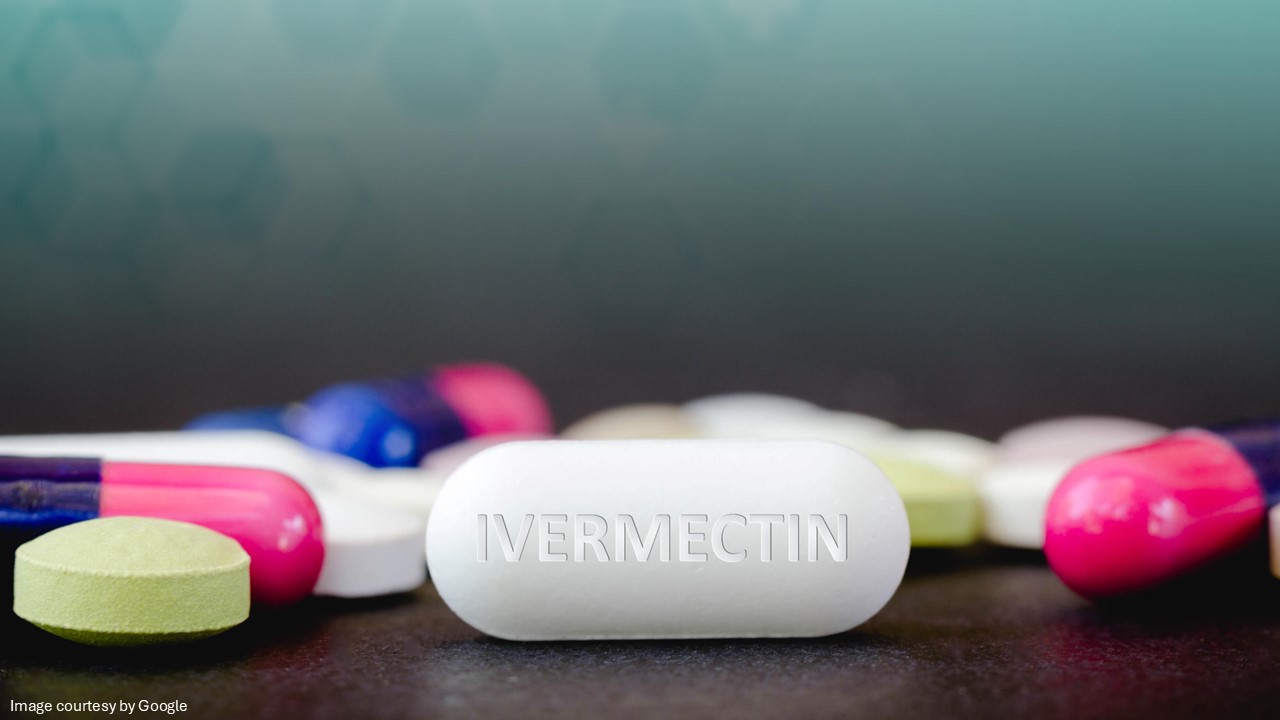
Ivermectin has been one of the most talked-about medicines over the last few years. Some people know it as a veterinary medication. Others know it as a real, FDA-approved antiparasitic medication used in humans for decades. Both are true, but the human and animal versions are not the same, and mixing them up can be dangerous.
This guide explains Ivermectin for humans: what it treats, how it works, how doctors decide the right dose, what side effects to watch for, and what it should never be used for.
What is Ivermectin?
Ivermectin is an antiparasitic medication discovered in the 1970s by scientists Satoshi Ōmura and William C. Campbell, who later won the Nobel Prize for the discovery. It was first used in animals starting in 1981, then approved for humans after research showed it worked against a parasite called Onchocerca volvulus, the cause of river blindness. Since then, Ivermectin has helped treat millions of people, especially in rural and tropical parts of the world where parasitic worm infections are common. It works by paralyzing and killing worms and certain mites, allowing the body to clear the infection naturally.
Working mechanism of Ivermectin
Ivermectin works by affecting the nervous and muscular systems of parasites such as worms and mites. It blocks their normal nerve signals, paralyzing the parasites and causing them to die. Your body then naturally removes the dead parasites. This medicine primarily targets parasites and has little effect on human cells when used correctly. That is why it is important to take only the prescribed dose. Taking more than recommended will not make the medicine work faster or better. Instead, it increases the risk of side effects because the medicine is still processed by your liver, kidneys, and bloodstream, as with any other medication.
What is Ivermectin used for?
It is important to understand what is Ivermectin used for if you are considering this medicine. In humans, Ivermectin for parasitic infections treatment is the main use of this drug, including:
- Intestinal strongyloidiasis – an infection caused by a roundworm called Strongyloides stercoralis
- Onchocerciasis (river blindness) – caused by the worm Onchocerca volvulus
- Lymphatic filariasis – a blood infection spread by parasitic worms
- Scabies – a skin infection caused by tiny mites- occurs when topical treatments have not worked.
Each of these infections has its own warning signs. Strongyloidiasis can cause stomach pain, bloating, or a skin rash where the worm has entered the body. Onchocerciasis often causes intense itching and skin changes, and over time, it can affect eyesight. Scabies causes an itchy rash, often worse at night, with tiny burrow-like lines on the skin. If you notice symptoms like these, especially after travel to a region where these infections are common, see a doctor for proper testing rather than guessing at the cause.
These are the core ivermectin uses recognized by doctors worldwide. It’s important to understand that Ivermectin does not prevent these infections. It only treats an infection that is already there, and only when a healthcare provider confirms it.
Ivermectin FDA approved uses
Here’s where a lot of confusion starts. The Ivermectin FDA approved uses of oral tablets are often used to treat strongyloidiasis and onchocerciasis. There are also FDA-approved topical (skin) versions of Ivermectin for rosacea and for head lice.
Using an oral tablet called ivermectin tablet for scabies is common in real-world medical practice, especially for widespread or hard-to-treat scabies, but this is considered an “off-label” use. That means a doctor can still prescribe it based on clinical judgment and research evidence, even though it is not the original approved indication printed on the label. Off-label use is legal and common in medicine, but it should always be guided by a doctor, not decided on your own.
Ivermectin has not been FDA-approved for treating viral infections, including COVID-19, or for treating cancer. Some early research explored these possibilities, but the evidence has not been strong enough to support them.
Can humans take Ivermectin?
Another common question people ask is: Can humans take Ivermectin?
So the answer is yes: when the dose is correct and prescribed by a doctor for an approved or accepted medical reason. Ivermectin has a long track record of safety in adults and has also been studied in children, with a generally low rate of serious side effects when dosed correctly.
The risk of Ivermectin usually comes from two sources: first, taking it without medical supervision, and second, taking animal formulations. Veterinary Ivermectin is formulated in much higher, concentrated doses meant for large animals like horses and cattle, not for human bodies. Taking it can cause serious harm, including severe stomach problems, dangerously low blood pressure, seizures, coma, and in rare cases, death.
Oral Ivermectin vs topical Ivermectin
Oral Ivermectin is available as a tablet taken with water and is used for internal parasitic infections like strongyloidiasis and onchocerciasis, and is off-label for scabies. This is the only route of administration approved for treating true parasitic infections.
Topical Ivermectin, on the other hand, is applied directly to the skin. It’s approved for treating inflammatory bumps caused by rosacea and for head lice. Topical and oral forms are not interchangeable, and switching between them without medical advice is not recommended.
Ivermectin dosage for humans
Ivermectin dosage always depends on body weight and the specific condition being treated. This is not a “one dose fits all” medicine. A doctor calculates the correct dose based on the milligrams of Ivermectin per kilogram of body weight.
The administration methods for ivermectin oral tablets can also vary from patient to patient, e.g., the frequency of the medicine in a day, with or without meals, etc. Ivermectin for humans dosage chart below based on body weight, showing the standard single-dose treatment for strongyloidiasis. Do check the right dosage for you with your doctor to eliminate the side effects.
| Body Weight | Typical number of 3-mg tablets | Approximate total dose |
| 15–24 kg (33–53 lbs) | 1 tablet | ~3 mg |
| 25–35 kg (55–77 lbs) | 2 tablets | ~6 mg |
| 36–50 kg (79–110 lbs) | 3 tablets | ~9 mg |
| 51–65 kg (112–143 lbs) | 4 tablets | ~12 mg |
| 66–79 kg (145–174 lbs) | 5 tablets | ~15 mg |
| 80 kg and above | Calculated at ~200 mcg/kg | Doctor-determined |
This chart is only a general reference. Your doctor will confirm the exact number of ivermectin tablets you need, since factors such as the type of infection, your weight, age, and overall health all affect the appropriate dose.
How to take Ivermectin oral tablets
If your doctor prescribes Ivermectin, here’s how it’s typically taken:
Take the tablets on an empty stomach, with a full glass of water. Avoid eating for about 2 hours before and 2 hours after your dose, since food can affect how much of the medicine your body absorbs. Most treatments for strongyloidiasis and onchocerciasis are given as a single dose, though your doctor may schedule a follow-up dose to confirm the infection is cleared. Never adjust your dose on your own, and never share your prescription with someone else, even if they have similar symptoms.
Ivermectin side effects
Ivermectin side effects are usually mild and resolve on their own; these include nausea, diarrhea, dizziness, mild skin rashes, and tiredness.
More serious warning signs need urgent medical attention. Stop taking the medicine and contact your doctor right away if you notice reddish or target-like skin patches, skin peeling, blistering, mouth or eye sores, a rash with fever, blood in the urine, unusual tiredness linked to liver problems, or confusion and decreased alertness. In people being treated for onchocerciasis or a related infection called loiasis, the dying off of parasites can occasionally trigger a serious reaction in the brain, which is why treatment for these conditions should always be under a doctor’s supervision.
Who should be extra careful before taking Ivermectin?
Pregnant women are generally advised to avoid Ivermectin, since there isn’t enough safety data confirming it’s risk-free during pregnancy. Very young children, people with liver disease, and anyone taking multiple other medications should also talk to a doctor before starting treatment, since Ivermectin can interact with other drugs, including blood thinners.
For children, dosing is typically based on weight rather than age, and doctors generally avoid prescribing Ivermectin for very young children. Anyone with a weakened immune system, kidney problems, or a history of severe allergic reactions to medications should also flag this to their doctor before starting treatment, so the plan can be adjusted if needed.
A Few Quick Answers
- Is Ivermectin available over the counter?
In most countries, including the United States, oral Ivermectin for humans requires a prescription. Some topical formulations may be available in different forms depending on local regulations, but it’s always best to confirm with a pharmacist.
- How long does it take to work?
For strongyloidiasis and onchocerciasis, a single dose often clears the infection, though your doctor may recommend a follow-up check or repeat dose to confirm it worked.
- Can I drink alcohol while taking Ivermectin?
It is best to avoid alcohol completely.
- Is Ivermectin the same as the Ivermectin used in pets?
No. Human ivermectin tablets are manufactured, dosed, and regulated specifically for human use. Pet and livestock versions are formulated differently and at different strengths, and should never be substituted for one another.
Does Ivermetic treat COVID?
Despite popular claims online, Ivermectin is not a proven treatment or prevention method for COVID-19, other viral infections, or cancer. Health regulators, including the FDA, have been clear that current evidence does not support these uses in humans. Some lab and early-stage studies have looked at Ivermectin’s antiviral and anti-inflammatory properties, but promising lab results are very different from proven, safe, real-world treatment, and more research is needed before any conclusions can be drawn.
Reliable platform to buy Ivermectin safely
If a doctor has prescribed Ivermectin, always fill it through a licensed pharmacy, whether in person or online. ReliableRxPharmacy is a trusted online pharmacy offering convenient access to quality medications, including Ivermectin. The platform emphasizes secure ordering, competitive pricing, discreet packaging, and round-the-clock customer support. Access the different Ivermectin strengths and a wide range of antibiotics with a few clicks.
Simple takeaways
Ivermectin is a genuinely useful antiparasitic medication for treating parasitic infections safely, when prescribed by a doctor. Discuss the dosage, frequency, treatment duration and any other concerns with your doctor before taking this medicine.
This article is for general information purposes only and does not replace professional medical advice. Always consult a licensed healthcare provider before starting, stopping, or changing any medication.