

Being told that you need blood pressure medication can raise plenty of questions: How quickly will it work? Will you feel different? What side effects should you watch for? And what happens on the first day?
If you are starting blood pressure medication for the first time, knowing what to expect can make the process much less stressful. High blood pressure often causes no obvious symptoms, so you may not feel a dramatic difference even when your medication is working. The goal is to lower blood pressure safely and consistently and reduce the long-term risk of heart disease, stroke, kidney disease, and other complications.
This guide explains what happens when you begin treatment, common side effects, how to monitor your blood pressure, and when to contact your healthcare professional.

Why do doctors prescribe blood pressure medication?
Blood pressure medication is prescribed when lifestyle changes alone may not be enough to bring blood pressure into a healthy range or when your overall cardiovascular risk makes medication appropriate. The American Heart Association’s 2025 guideline recommends a treatment goal of below 130/80 mm Hg for adults, with medication decisions based on blood pressure levels and individual cardiovascular risk.
There are several major types of blood pressure medicines, including ACE inhibitors, angiotensin II receptor blockers (ARBs), calcium channel blockers, beta-blockers, and diuretics. Each class lowers blood pressure differently. Your doctor chooses a medication based on your blood pressure, age, other medical conditions, kidney function, other medicines, and individual risk factors.
What happens when you start blood pressure medication?
When starting blood pressure medicine, your body may need time to adjust. Some people notice mild changes during the first few days, while others feel completely normal. That is not necessarily a sign that the medicine is or is not working. High blood pressure frequently has no noticeable symptoms, and lowering it is primarily about protecting your health over time.
Your healthcare professional may start with a particular dose and later adjust it depending on your blood pressure readings and how well you tolerate the medicine. Some people eventually need more than one medication to reach their blood pressure goal.
What to expect on the first day
The first day of blood pressure medication is usually straightforward. Take the medicine exactly as prescribed and at the recommended time. Depending on the medication, you may experience mild dizziness, tiredness, headache, flushing, or other effects. Some people experience no noticeable side effects.
For example, amlodipine begins working relatively quickly, although its full blood-pressure-lowering effect develops with continued use. Lisinopril can also begin lowering blood pressure within hours, while its overall effect is assessed over a longer period. Do not take an extra dose because you do not immediately feel a difference. Blood pressure medication is not intended to produce a noticeable sensation of “working.”
Will you feel better immediately?
Not necessarily. One of the biggest things to understand when starting hypertension medication is that you may not feel different even when the medication is lowering your blood pressure. High blood pressure is often called a “silent” condition because many people have no symptoms. The purpose of treatment is to lower pressure and reduce the risk of future complications rather than make you feel an immediate change. This is why blood pressure measurements are more useful than judging treatment by how you feel.
Common blood pressure medication side effects
Different medicines cause different reactions. Some blood pressure medication side effects are temporary and may improve as your body adjusts. Depending on the medication, possible effects can include:
-
Dizziness or light-headedness
-
Headache
-
Tiredness
-
Nausea
-
Mild swelling of the ankles or feet
-
Increased urination with diuretics
-
A dry cough with some ACE inhibitors
-
Changes in heart rate with certain medications
For example, amlodipine can cause headache, flushing, nausea, palpitations, and ankle swelling. Lisinopril may cause dizziness, tiredness, headache, or cough. Losartan-containing medicines can cause dizziness and other effects. Not everyone experiences these effects, and a side effect does not necessarily mean you must stop treatment. If a symptom is persistent, severe, or interfering with daily activities, contact your healthcare professional. Your doctor may adjust the dose or choose another medicine.
How to monitor your blood pressure at home
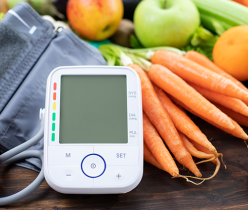
Home monitoring can be especially helpful when you are starting blood pressure medication, as it gives your healthcare professional information on how your treatment is working outside the doctor’s office. The American Heart Association recommends an automatic, upper-arm cuff-style monitor for home measurements. Wrist and finger monitors are generally less reliable. For a more accurate reading:
-
Avoid smoking, exercise, and caffeine for 30 minutes beforehand.
-
Empty your bladder.
-
Sit quietly for at least five minutes.
-
Keep your back supported and feet flat on the floor.
-
Rest your arm on a surface at heart level.
-
Place the cuff on bare skin rather than over clothing.
-
Take two readings about one minute apart.
-
Record the results and share them with your healthcare professional.
Your doctor can tell you how frequently you should check your blood pressure.
Lifestyle changes still matter
Medication is only one part of blood pressure management. Your healthcare professional may also recommend:
-
Eating a heart-healthy diet with less sodium
-
Getting regular physical activity
-
Maintaining a healthy weight
-
Limiting alcohol
-
Avoiding tobacco
-
Managing stress
-
Getting adequate sleep
Lifestyle changes can work alongside medication and may improve overall cardiovascular health.
Final thoughts
Knowing what to expect when starting blood pressure medication can make the first few weeks easier. You may not feel any immediate difference, and that is normal. What matters is whether your blood pressure is moving toward your treatment goal while the medicine remains safe and tolerable for you.
Take your medication exactly as prescribed, monitor your blood pressure as recommended, keep your healthcare appointments, and report troublesome side effects rather than stopping treatment on your own. Most importantly, remember that blood pressure treatment is about protecting your heart, brain, kidneys, and blood vessels over the long term, not simply making you feel different on the first day.
Medical disclaimer: This article is for educational purposes only and does not replace personalized medical advice, diagnosis, or treatment.