

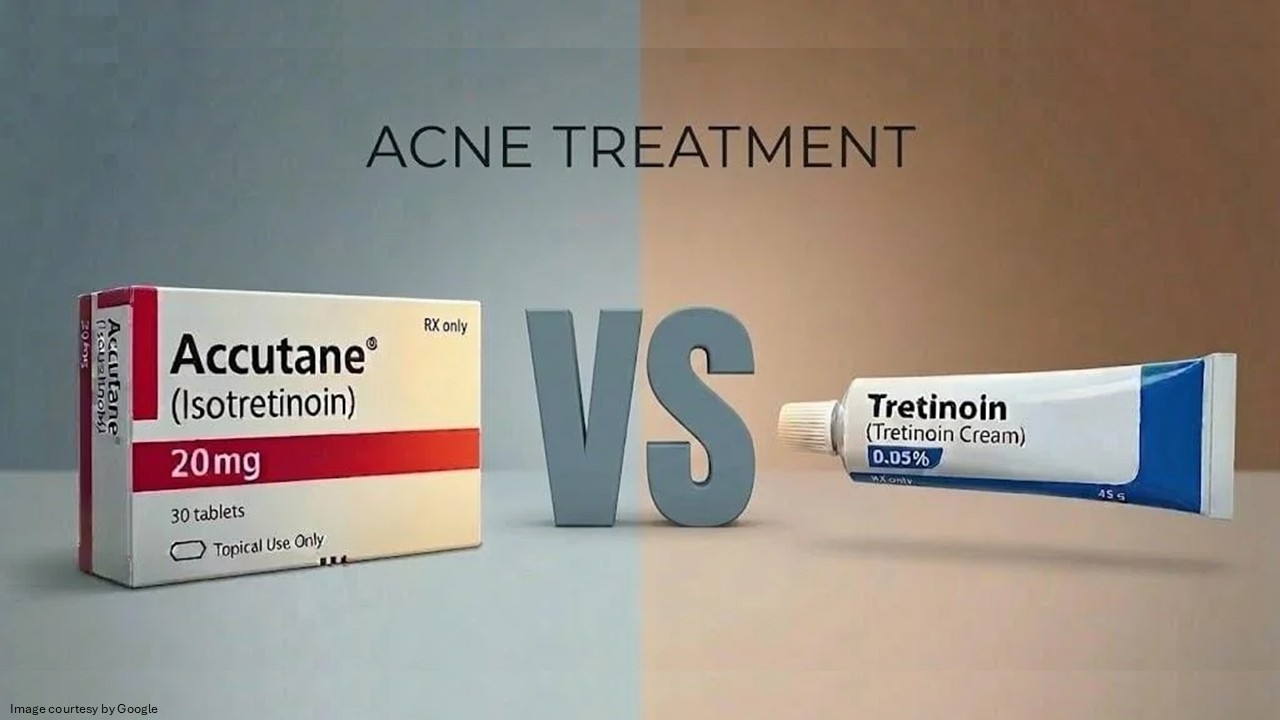
When it comes to acne treatments, few medications top the list as often as Tretinoin and Isotretinoin. When comparing Tretinoin vs Isotretinoin, it is necessary to understand that these medications are formulated for different types of acne. Choosing the appropriate treatment can significantly impact both your skin and your overall experience. This blog discusses how distinctive both Tretinoin and Isotretinoin are. Here, the discussion also covers how you use them correctly and why your dermatologist may prescribe them.
Introduction: Are Tretinoin and Isotretinoin the same?
If you are looking for Isotretinoin vs Tretinoin, you may be confused, as the names sound so similar, even though these two topical pharmaceutical agents have different modes of action. Both are effective anti-acne medications that belong to a group of medications known as retinoids. The retinoids consist of vitamin A and its derivatives. Tretinoin and Isotretinoin are not interchangeable for treating acne vulgaris. They are used differently as they are formulated for very different purposes. Understanding these differences is crucial for anyone considering treatment options. If you are wondering ‘what is the difference between Tretinoin and Isotretinoin’, here, it is important to know that the key difference lies in their mode of action.
Tretinoin is a topical medication used on the skin. Derived from vitamin A, Tretinoin is a common prescription medication used to treat mild to moderate acne and blackheads. It has also been found to be effective in addressing signs of ageing, including fine lines, age spots, sun damage, and wrinkles. By reducing the signs of ageing, Tretinoin improves the skin’s overall texture. On the other hand, Isotretinoin is an oral medication. As mentioned above, it is a retinol (vitamin A) derivative, but it is not recommended for use as an anti-ageing medication. Isotretinoin is a prescription treatment for severe acne, such as cystic acne or acne nodules. It functions systematically by minimising skin pores and limiting sebum (skin oil) production throughout the body, making it ideal for individuals with widespread acne. Isotretinoin is usually prescribed to treat severe acne that does not respond to other prescription anti-acne treatments. Still, some dermatologists recommend people with less severe acne that fails to respond to other anti-acne treatments, as well as to people with acne that gives rise to scars or severe psychological distress.
Similarities
Similarities between Tretinoin and Isotretinoin are explained below:
· Both are prescription-only medicines, so a prescription is required to get Tretinoin or Isotretinoin. In most countries, including the United States, a prescription is required to obtain these retinoid medications.
· Both these anti-acne medications are derived from vitamin A. Research indicates that increasing vitamin A levels can significantly improve acne, both inflammatory and non-inflammatory.
· Tretinoin and Isotretinoin both belong to the antiacne class of medication, which are primarily indicated for different types and severities of acne.
· Both these medications are known to cause skin irritation, also called retinoid burn. This class of retinoid medications is believed to make the skin more sensitive to the sun, which is why taking protective measures against sun exposure is a must while using these medications.
· Pregnant women should not use Tretinoin or Isotretinoin. The use of retinoids during pregnancy has been connected to severe birth defects of the face, skull, nervous system, cardiovascular system, and thymus.
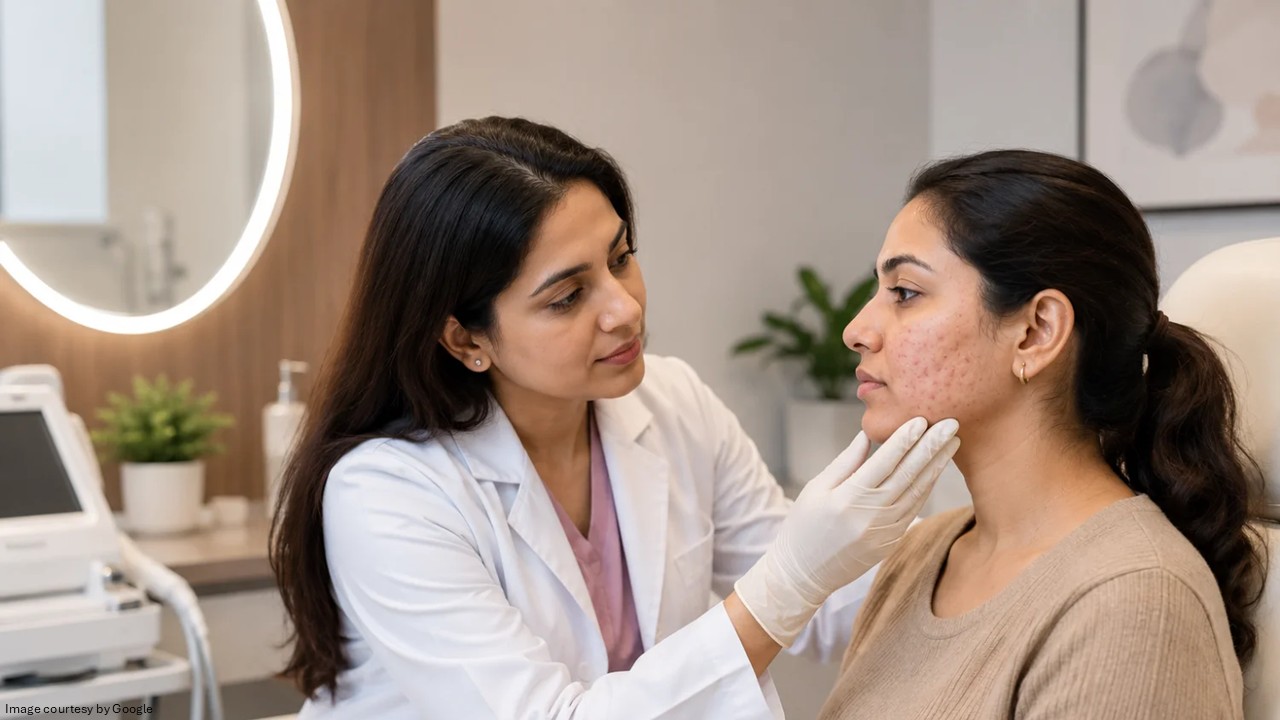
Differences between Tretinoin & Isotretinoin
“What is the difference between Tretinoin and Isotretinoin“? The answer to this most frequently asked question is simple. Tretinoin targets the skin’s surface, while Isotretinoin acts systemically throughout the body. Tretinoin is applied directly to the skin once nightly under a dermatologist’s supervision. It is available as creams and gels, with strengths ranging from 0.025% to 0.1%; the higher the strength, the more potent it is. Tretinoin encourages the skin to self-exfoliate by speeding up skin cell turnover. It helps unclog pores, clearing blackheads and whiteheads. The retinoid formulation prevents breakouts after acne is cleared, decreases inflammation, and reduces excess sebum production.
On the other hand, Isotretinoin takes a more aggressive approach, significantly reducing oil production, shrinking oil glands, reducing inflammation, and making it tougher for acne-causing bacteria to survive on the skin’s surface. This is the reason Isotretinoin is considered an effective treatment option for those with cystic acne. Tretinoin is thus considered a long-term skin management tool, whereas Isotretinoin is often utilised in skin care as an intensive treatment for combating severe acne.
When it comes to results, Tretinoin use requires patience. Generally, results develop gradually rather than overnight. During the initial weeks of using the topical medication, some users may experience temporary skin irritation, often called skin purging. This happens as the skin adjusts to treatment. Despite this adjustment period, Tretinoin remains one of the most trusted prescription treatments in dermatology because it continues to work long after active acne improves.
Also Read: How to Choose the Right Tretinoin Dosage?
Tretinoin for acne scars: Can it make a difference?
Beyond its anti-acne benefits, many people worldwide are interested in using Tretinoin for acne scars. Well, the answer depends on the type of scars an individual has. Tretinoin has been shown to particularly improve the appearance of post-inflammatory hyperpigmentation, commonly known as dark spots that often persist after acne heals. It helps fade discolouration and promote a more even skin tone over time by accelerating cell turnover. Tretinoin is also believed to boost collagen production, thereby improving overall skin texture and softening the appearance of rough, scaly skin. Here, it is important to note that Tretinoin does not treat deep, ice pack, or severe pitted scars. Such severe scarring requires additional treatments such as laser therapy, microneedling, or chemical peels. While Tretinoin can support skin renewal, it is not effective against all types of scars. Still, many people considered it a long-term treatment for scars, aiming to achieve smoother, healthier-looking skin.
Isotretinoin for severe acne: What’s the reason?
Isotretinoin is not typically prescribed as first-line treatment by most dermatologists. Rather, it is typically given when other anti-acne formulations do not work or when acne is severe enough to cause permanent scarring. Its effectiveness stems from its ability to reduce oil production dramatically. Excessive oil accumulation can clog pores and ultimately lead to bacterial growth, while reducing oil can significantly reduce acne formation. Those dealing with cystic acne experience significant improvement. They find their acne remains under control even long after treatment discontinuation.
Also Read: Tretinoin vs Retinol: Key Differences and Benefits
What is better, Tretinoin or Isotretinoin?
Is Tretinoin safer than Isotretinoin? Well, Tretinoin is known to cause fewer systemic side effects because it is applied to the skin rather than taken orally. Tretinoin commonly cause dryness, skin peeling, redness, or increased sensitivity to sunlight. However, these adverse effects are manageable most of the time and often improve as the skin adapts. On the other hand, Isotretinoin can affect the whole body. Commonly reported side effects include dry eyes, dry lips, skin dryness, and increased sun sensitivity. Because of its potential to affect the entire body, regular monitoring is required throughout the treatment. But the safer side isn’t always better. For those struggling with severe acne, the beneficial effects of Isotretinoin outweigh the risks. An appropriate treatment usually depends on the individual’s condition, medical condition, and the treatment goals.
Can you use Tretinoin after Isotretinoin? – Well, dermatologists often prescribe Tretinoin after Isotretinoin as part of a maintenance acne regimen. Once severe skin issues have been brought under control, topical Tretinoin helps improve skin and reduce the likelihood of future breakouts.
Verdict!
The best treatment is not necessarily the strongest one. It is the one that aligns with your skin’s needs, your lifestyle, and your long-term goals. Working closely with a qualified dermatologist can help ensure you choose the most effective path toward healthier, clearer skin.