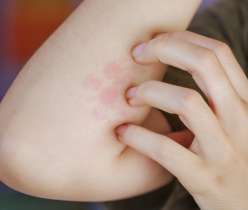

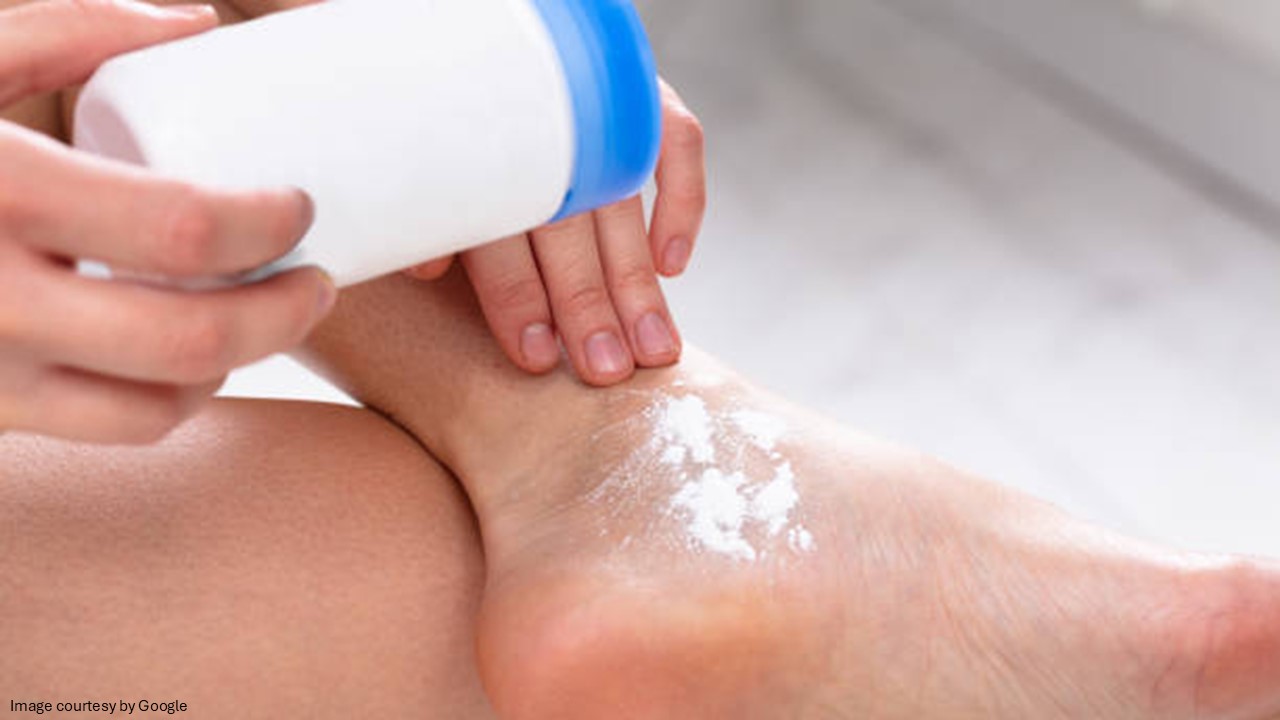
A red, itchy rash can be unpleasant. But most fungal infections are not harmful, and you can easily treat them with an antifungal cream or powder. This article explains how antifungal cream vs powder works. You will also learn whether an antifungal cream or an antifungal powder is better for treating your specific fungal infection.
What is a skin fungal infection?
A fungus, such as mould, is a tiny organism. Fungi are everywhere in the air and water, as well as on the human body. If one of the harmful fungi comes in contact with your skin, it can give rise to a fungal infection. One common symptom of a skin fungal infection is an itchy rash. The rash can develop anywhere on the body; it may be on the feet, nails, and areas with high moisture, such as the armpits, groin, or buttocks.
What are the different types of fungal skin rashes & treatments?
• Nail fungus: The fungus of the toenails is quite common, causing the toenail to turn yellow and thick and break easily.
Treatment: Fungal nail infections can be difficult to cure, even with topical antifungal agents. While antifungal creams are available for treating nail fungal infections, the most effective treatment is usually a prescription-strength antifungal pill.
• Athlete’s foot: One of the most common types of fungal infection is athlete’s foot, which is often developed when people walk barefoot in public locker rooms or bathrooms. Jock itch is an infection caused by fungi. It affects the groin, inner thighs, and buttocks. Fungal infections are more common in men than in women.
Treatment: Antifungal formulations, such as gels, creams, ointments, or powders, can effectively treat jock itch. The most effective antifungal cream for your private area, like the groin and buttocks, contains miconazole, terbinafine, tolnaftate, and clotrimazole.
• Ringworm: It is a contagious fungal infection that appears as a rash of small circular patches, caused by several fungi.
Treatment: Ringworm of the face and body can be best treated with an antifungal cream. For the treatment of ringworm, an antifungal cream such as clotrimazole is best. This type of fungal infection is generally treated with antifungal cream or powders.
• Lip fungus & treatment: Prescription-strength antifungal creams for the lips, such as ketoconazole, nystatin, miconazole, and clotrimazole, can help clear redness and cracking on the lips.
How does antifungal treatment work?
Whether in cream or powder form, antifungal formulations generally contain active ingredients such as clotrimazole, terbinafine, miconazole, tolnaftate, and ketoconazole. The active antifungal agents act by damaging the fungal cell membrane, inhibiting fungal growth, and preventing the spread of the infection. However, the formulations of antifungal cream vs powder change how they act on your skin.
Antifungal cream comes with a smooth, moisturising base. They are formulated to penetrate deeply into the skin layers and directly target fungal cells.
Antifungal cream benefits:
• Cream formulations reach the fungus deeper in the skin. This makes them particularly effective for jock itch, ringworm patches, athlete’s foot with redness and peeling, candidiasis, and infection in moist or sensitive areas.
• Cream formulation works better for inflamed or irritated skin. These formulations soothe and moisturise the affected area, reducing redness, itching, burning sensation, and skin cracking.
• Antifungal creams are often recommended for active infections.
• They are ideal for creases and folds such as underarms, groin, buttock fold and under the breasts. These are the sensitive areas that require gentler, hydrating formulations.
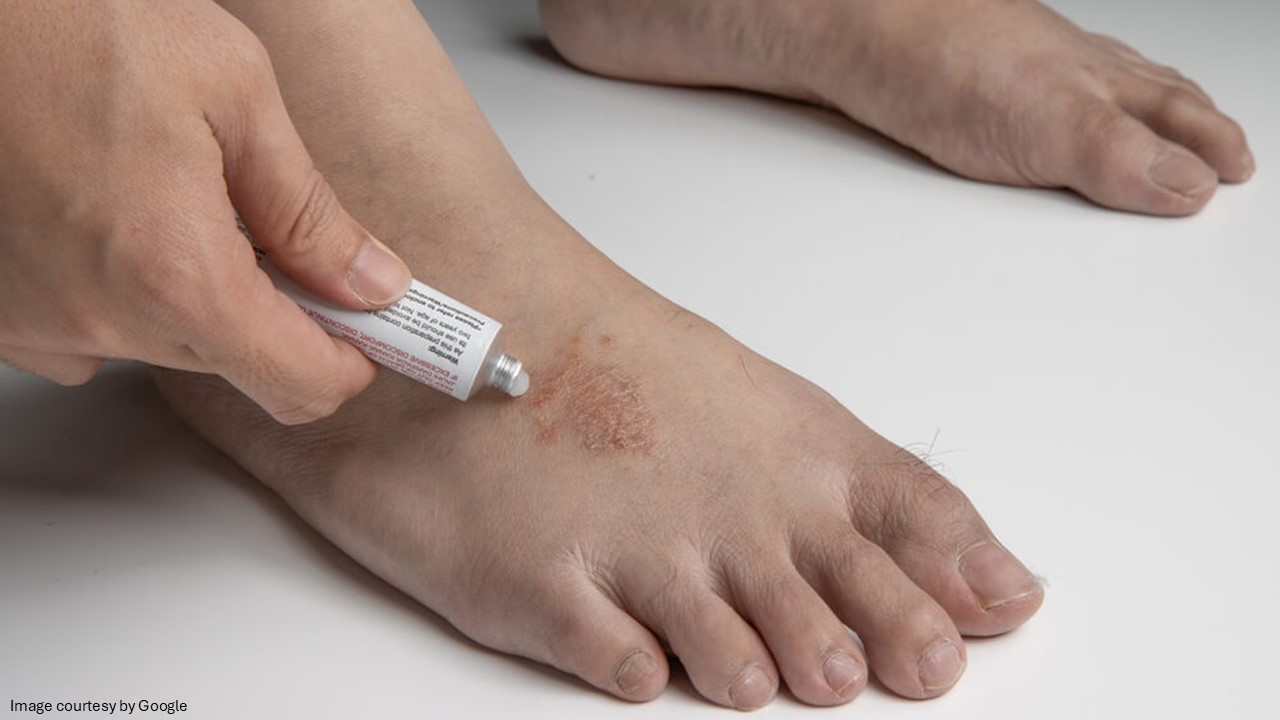
How does an antifungal cream work?
Antifungal powder benefits:
• The powder formulations absorb sweat and reduce chafing, making them suitable for Athlete’s foot, sweaty feet, the under-breast area in humid climates, and the groin area prone to perspiration.
• Even after your infection heals, powder helps prevent recurrence by keeping the area dry.
• Great option for hard-to-reach areas like between the toes.
• Antifungal powder is ideal for individuals with excessive sweating, as it helps maintain dryness for hours and reduces odour.
Which works better, an antifungal cream or powder?
Antifungal powder vs cream: Well, the answer usually depends on the kind of fungal infection, the severity of the condition, and your body’s moisture level. Let’s begin the comparison:
• Penetration
– Cream: penetrates deep into the skin
– Powder: Works at the surface level.
• Best for
– Cream: Active infection, inflamed skin
– Powder: Effective in treating mild cases, preventing infection, and in sweaty areas
• Use in skin folds:
– Cream: good for applying to the skin fold
– Powder: Not ideal
• Sweaty feet
– Cream: fair deal
– Powder: best to apply
Can both be used together?
Combination antifungal treatment approaches may be used to broaden the spectrum of antifungal activity, improve the rate of fungal killing, and minimise the development of resistance. When combining them, make sure you apply the cream directly to the affected area after the formulation is completely absorbed into the skin, and dust antifungal powder around the area or inside socks and underwear to keep the infected area dry. Combination therapy prevents infection recurrence. Dermatologists often recommend this approach for jock itch and Athlete’s foot.
Choose the right option for your infection!
• For athletes’ feet, use a cream to treat active infections and cracked skin. Dust powder inside socks and shoes to control moisture.
• For Jock itch, cream works best for itchy, red patches. Powder helps reduce sweat in the groin region.
• For ringworm: Cream is the gold standard treatment; powder is not recommended.
• For under-breast or skinfold infections, creams are effective. Powder helps to prevent moisture buildup.
• Those who sweat excessively, Poder formulation helps keep infection-prone areas dry.
Conclusion!
Antifungal cream uses may differ from those of antifungal powder. Cream formulations may be sticky or greasy when applied while wearing socks or footwear, leading to non-compliance with treatment. Antifungal powder uses: It helps keep the skin dry, which is essential when treating athlete’s foot (tinea pedis). For a stubborn infection, use both under a doctor’s guidance. If the infection doesn’t resolve within 2 to 3 weeks, becomes very painful, or spreads quickly, it is essential to consult a dermatologist for stronger prescription-strength solutions.