
Living with type 2 diabetes often means balancing blood glucose levels, medications, nutrition, physical activity, and long-term health goals. When lifestyle changes alone are not enough, a healthcare professional may recommend an additional treatment to improve glucose management. Tirzepatide for type 2 diabetes is one of the newer prescription options available for adults who need better glycemic control.
Tirzepatide is a once-weekly injectable medicine that works on two incretin hormone pathways. It is commonly known by the brand name Mounjaro for diabetes. In addition to improving blood glucose levels, tirzepatide may help reduce appetite and body weight in many people. Understanding how it works, how treatment is started, its potential benefits, and possible side effects can help patients have a more informed conversation with their healthcare provider.
What Is Tirzepatide?
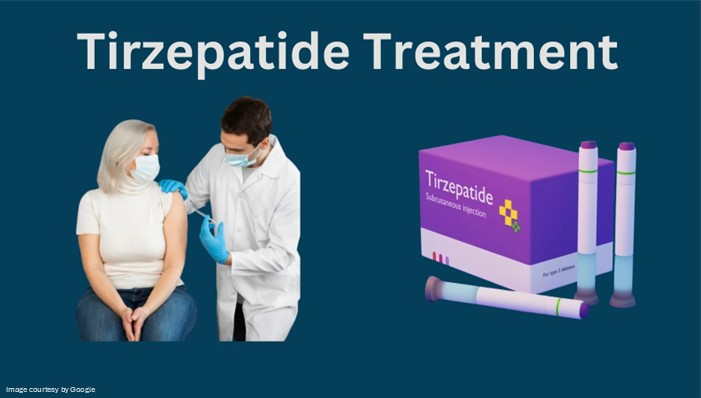
Tirzepatide is a prescription medicine used with diet and exercise to improve blood sugar levels in adults with type 2 diabetes. It belongs to a relatively new group of medicines known as a GLP-1 GIP agonist because it activates receptors for both glucose-dependent insulinotropic polypeptide (GIP) and glucagon-like peptide-1 (GLP-1). These naturally occurring hormones are involved in glucose regulation, insulin secretion, appetite, and digestion. Tirzepatide mimics their activity and helps the body respond more effectively when blood glucose levels rise. The medicine is administered as a subcutaneous injection once a week. It is not intended to replace healthy eating habits, physical activity, or routine diabetes monitoring.
Benefits of Tirzepatide for type 2 diabetes
One of the main reasons tirzepatide has attracted attention is its ability to improve several important aspects of diabetes management.
1. Helps improve blood sugar control
Tirzepatide can lower blood glucose levels by improving glucose-dependent insulin secretion and reducing inappropriate glucagon activity. This can contribute to better overall blood sugar control when the medicine is used as prescribed.
2. Supports HbA1c reduction
HbA1c provides an estimate of average blood glucose over the preceding two to three months. Clinical trials have shown that tirzepatide can produce significant HbA1c reduction in adults with type 2 diabetes. The amount of improvement varies according to factors such as the dose used, baseline HbA1c, other medications, treatment adherence, and individual response.
3. May promote weight loss
Although Mounjaro is prescribed for type 2 diabetes management, tirzepatide can reduce appetite and food intake. Clinical studies have reported substantial weight reductions among many participants.
This effect may provide an additional advantage for people with type 2 diabetes who are also trying to manage excess body weight.

Tirzepatide dosage: How is it started?
The appropriate tirzepatide dosage depends on the patient’s treatment needs and the medicine’s tolerability. For Mounjaro, treatment is generally initiated with 2.5 mg once weekly for four weeks. The dose is then typically increased to 5 mg once weekly. If additional glycemic control is required, a healthcare professional may gradually increase the dose by 2.5 mg increments after the patient has been on the current dose for at least 4 weeks. The maximum recommended adult dose is 15 mg once weekly.
The initial dose is primarily intended to help the body become accustomed to treatment rather than provide the full glucose-lowering effect. Gradual dose escalation can also help reduce gastrointestinal problems associated with starting or increasing treatment. Patients should not increase, decrease, or discontinue tirzepatide without medical guidance.
What should you expect when Tirzepatide starts?
Everyone responds differently to diabetes treatment. Some patients may notice changes in appetite or glucose readings relatively early, while improvements in HbA1c are assessed over a longer period. Your healthcare provider may periodically evaluate:
- Blood glucose measurements
- HbA1c levels
- Body weight
- Response to the current dose
- Tolerability and digestive symptoms
- Other diabetes medicines being used
- Kidney function or other relevant health factors
Tirzepatide may be used alone or in combination with other glucose-lowering medicines. When it is combined with insulin or medicines such as sulfonylureas, the risk of hypoglycemia may increase, and the treatment plan may need adjustment.
Common Tirzepatide side effects
The most frequently reported side effects are digestive. Common reactions can include nausea, diarrhea, decreased appetite, vomiting, constipation, indigestion, and abdominal discomfort. These effects may become more noticeable when treatment begins or when the dosage is increased. They often lessen as the body adjusts, although individual experiences differ. Eating smaller meals and avoiding foods that worsen digestive discomfort may help some people. Maintaining adequate fluid intake is also important, particularly if vomiting or diarrhea occurs.
Persistent, severe, or concerning symptoms should be discussed with a healthcare professional rather than being assumed to be a normal part of treatment.
Serious warnings and precautions
Tirzepatide is not appropriate for everyone. The prescribing information includes a boxed warning about thyroid C-cell tumors observed in animal studies. Because the relevance of this finding to humans is uncertain, Mounjaro should not be used by people with a personal or family history of medullary thyroid carcinoma or by individuals with Multiple Endocrine Neoplasia syndrome type 2. Patients should also tell their healthcare provider if they have a history of pancreatitis, gallbladder disease, severe gastrointestinal problems, diabetic retinopathy, kidney disease, or previous serious allergic reactions.
Seek prompt medical attention for symptoms such as severe persistent abdominal pain, serious allergic reactions, significant dehydration, or other unusual symptoms.
Can Tirzepatide cause low blood sugar?
Tirzepatide itself does not usually cause hypoglycemia to the same extent as medicines that directly increase insulin regardless of glucose levels. However, the risk of low blood sugar increases when tirzepatide is combined with insulin or insulin secretagogues, such as sulfonylureas. Symptoms of hypoglycemia can include sweating, shakiness, hunger, dizziness, confusion, weakness, or a rapid heartbeat. People using combinations of glucose-lowering medicines should follow their healthcare provider’s instructions for monitoring and managing low blood glucose.

Tirzepatide compared with other diabetes medicines
Modern type 2 diabetes treatment is highly individualized. Metformin remains an important medicine for many people, while other options may include SGLT2 inhibitors, DPP-4 inhibitors, sulfonylureas, insulin, and incretin-based therapies.
Tirzepatide is distinctive because it activates both GIP and GLP-1 receptors. The most appropriate medicine depends on a person’s glucose levels, cardiovascular and kidney health, body weight, existing treatments, side-effect profile, affordability, and personal treatment goals. Therefore, tirzepatide should not automatically be considered the best option for every person with diabetes.
Mounjaro for diabetes: Is it right for everyone?
Mounjaro for diabetes may be appropriate for certain adults with type 2 diabetes, but a qualified healthcare professional must determine suitability. A doctor may review your medical history, current medications, HbA1c, glucose readings, weight, kidney function, digestive health, and other factors before recommending treatment. It is important to remember that tirzepatide is not a treatment for type 1 diabetes and should not be used as a substitute for insulin in people who require insulin therapy.
Tips for getting the most from Tirzepatide treatment
Medication works best when it forms part of a comprehensive diabetes management plan. Patients can support their treatment by taking the prescribed dose consistently, attending follow-up appointments, monitoring glucose as advised, maintaining a balanced eating pattern, staying physically active, and discussing troublesome side effects promptly.
Keeping track of glucose readings and changes in weight or appetite can also give your healthcare provider useful information when deciding whether your current treatment remains appropriate.
A convenient online source for diabetes treatment
Selecting an online pharmacy for diabetes medicines requires attention to product information, medicine authenticity, available strengths, and appropriate purchasing guidance. ReliableRxPharmacy provides an online selection of diabetes-related medicines, allowing customers to browse different treatment options and review relevant product details in one place.
Final takeaway
Tirzepatide for type 2 diabetes represents an important development in modern diabetes care because it targets two incretin pathways rather than one. By activating GIP and GLP-1 receptors, it can improve glucose-dependent insulin secretion, reduce glucagon activity, influence gastric emptying, and affect appetite. The potential benefits include improved blood sugar control, meaningful HbA1c reduction, once-weekly administration, and weight reduction for many patients. At the same time, digestive side effects and important medical precautions make treatment individualized. If your current diabetes medication is not providing adequate control, speak with your healthcare professional about whether a GLP-1/GIP-based option such as tirzepatide could fit your treatment goals. Never change your dose or stop another diabetes medicine without professional guidance.
Disclaimer: This article is intended for general educational purposes and should not replace advice from a qualified healthcare professional. Tirzepatide is a prescription medicine, and its suitability, dosage, and monitoring requirements should be determined individually.