
Testosterone is the primary sex hormone and anabolic steroid in males. Testosterone is produced in the testicles, and these are essential for developing male reproductive tissues, masculine physique, body hair, and a deepening voice, as well as driving sex drive and sperm production. Low testosterone can affect a man’s health in many ways, including energy levels, mood, muscle mass, libido, and overall quality of life. When symptoms of low testosterone begin to interfere with daily life, a doctor consultation becomes important for relevant treatment. Some popular treatment options, such as Human Chorionic Gonadotropin (HCG) or Testosterone Replacement Therapy (TRT), are often prescribed by doctors to manage testosterone in males.
Many patients are confused about HCG vs testosterone therapy and wonder which option is better for their specific needs. While both treatments can help address symptoms associated with low testosterone, they work in very different ways and offer distinct benefits and risks.
This blog page explains everything you need to know about HCG vs testosterone therapy, including how they work, their benefits, side effects, fertility considerations, and how to determine which treatment may be right for you.
Understanding testosterone and its role in the body
Testosterone is the primary male sex hormone responsible for:
- Maintaining muscle mass and strength
- Supporting libido and sexual function
- Promoting sperm production
- Preserving bone density
- Regulating mood and energy levels
- Supporting healthy red blood cell production
As men age, testosterone levels naturally decline. However, some men experience a significant drop due to medical conditions, injury, obesity, stress, or hormonal disorders. When testosterone levels fall below normal, symptoms such as fatigue, low sex drive, erectile dysfunction, depression, and reduced muscle mass may occur. This is where HCG and TRT can play an important role.
What is HCG?
Human Chorionic Gonadotropin (HCG) is a hormone that mimics luteinizing hormone (LH), naturally produced by the pituitary gland. LH signals the testes to produce testosterone. By acting similarly to LH, HCG stimulates the testes to continue making testosterone naturally. HCG is commonly prescribed for male infertility, secondary hypogonadism, low testosterone caused by a hormonal imbalance, and maintaining fertility during testosterone treatment.
Unlike TRT, HCG encourages the body’s own testosterone production rather than replacing testosterone directly.
What is Testosterone replacement therapy (TRT)?
Testosterone replacement therapy involves administering testosterone directly into the body through injections, gels, patches, pellets, and oral formulations. The goal of TRT is to raise testosterone levels back into a healthy range and relieve symptoms associated with testosterone deficiency. TRT is often prescribed for men diagnosed with hypogonadism or clinically low testosterone levels confirmed through laboratory testing.
Difference between HCG vs Testosterone therapy
The biggest difference in HCG vs testosterone therapy lies in their mechanism of action.
HCG – HCG stimulates the testes to produce their own testosterone. It supports the body’s natural hormonal pathway and often preserves testicular function.
Testosterone therapy – TRT bypasses the body’s natural testosterone production process by supplying external testosterone directly. While TRT effectively increases testosterone levels, it can reduce the body’s own production of testosterone over time. Understanding this distinction is essential when comparing HCG vs testosterone therapy for long-term treatment goals.
Benefits of HCG therapy
HCG offers several advantages, especially for younger men concerned about fertility. Below are some of them:
- Preserves fertility – One of the primary reasons physicians prescribe HCG is its ability to maintain sperm production. If you have doubts about, “Does testosterone therapy affect fertility? The answer is yes. Traditional TRT may significantly reduce sperm production because it suppresses signals from the brain that stimulate the testes. HCG helps avoid this issue by continuing to stimulate the testes.
- Maintains testicular size – Men on TRT sometimes experience testicular shrinkage due to decreased natural testosterone production. HCG helps maintain normal testicular function and size.
- Supports natural testosterone production – Rather than replacing testosterone, HCG encourages the body to produce its own hormone naturally.
- Helps improve fertility outcomes – For men actively trying to conceive, HCG is often a preferred treatment option.
Benefits of testosterone replacement therapy
TRT remains one of the most effective treatments for low testosterone symptoms. Many men notice improvements in their energy levels, libido, mood, mental clarity and muscle mass within weeks of starting this therapy. Apart from these benefits, they also experience consistent testosterone levels. It is also believed that TRT is more effective for severe testosterone deficiency than HCG. It improves the quality of life in both physical and emotional terms.
Common questions regarding TRT and HCG therapy
Taking such therapy is a big decision, and people often think of some of the basic questions, such as:
- Does testosterone therapy affect fertility? – This is one of the most common concerns among men considering TRT: Yes, TRT can negatively affect fertility. When external testosterone enters the body, the brain senses adequate hormone levels and reduces production of LH and follicle-stimulating hormone (FSH). These hormones are essential for sperm production. As a result, sperm count may decrease significantly, some men may develop temporary infertility, and testicular size may decrease.
This is why fertility preservation is a major consideration when evaluating HCG vs testosterone therapy, for men planning to have children in the future, discussing fertility goals with a healthcare provider before starting treatment is essential.
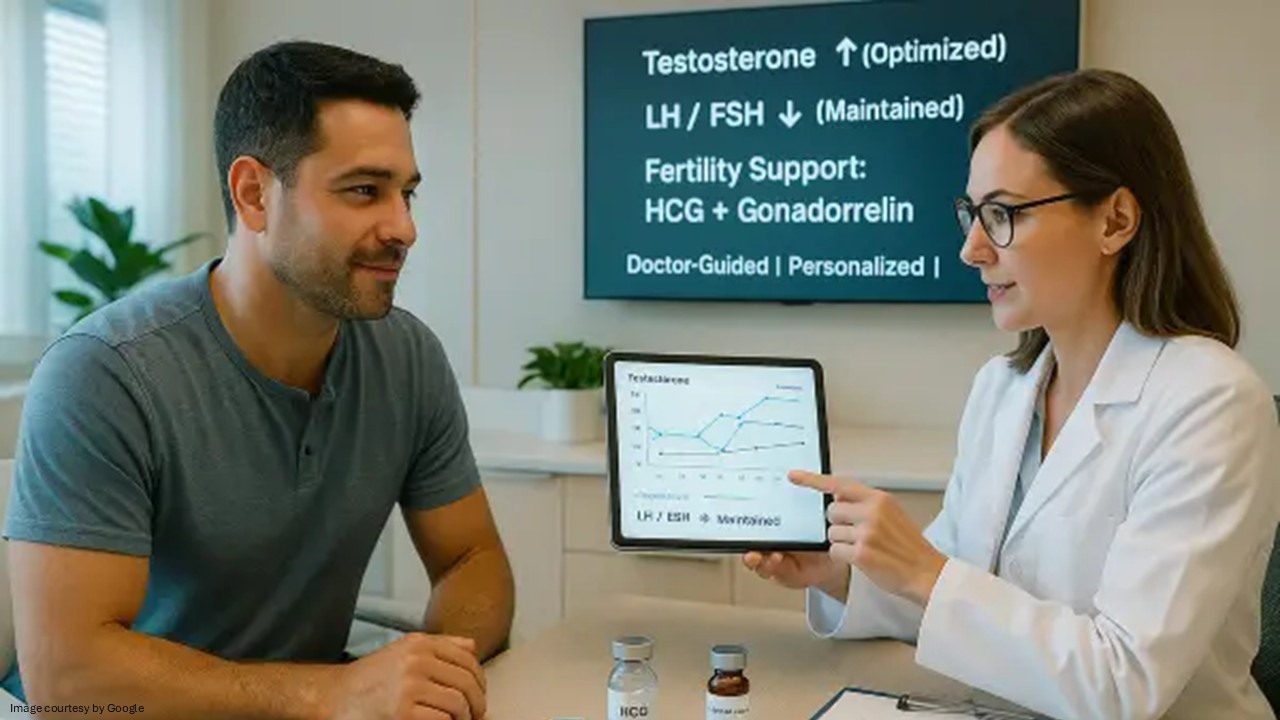
- Should I take HCG with TRT? – This is another common question among patients, and in many cases, the answer is yes. Many physicians prescribe HCG alongside TRT to help preserve fertility, maintain testicular function, prevent testicular shrinkage and support natural testosterone production. Combining the two therapies can provide the benefits of TRT while reducing some of its reproductive side effects. Should you take HCG with TRT, the answer to this question also depends on individual goals, age, fertility plans, and medical history. For men who wish to maintain fertility while receiving testosterone treatment, combining TRT and HCG is often considered a valuable strategy.
- Can HCG replace TRT? – In some cases, HCG can replace TRT. For men with secondary hypogonadism, where the testes can still produce testosterone but lack adequate hormonal stimulation, HCG may successfully raise testosterone levels without the need for TRT. However, HCG replacing TRT for everyone is not necessarily the case. Men with primary testicular failure may not respond adequately to HCG because their testes cannot produce sufficient testosterone even when stimulated. The effectiveness of HCG as a standalone treatment depends on the underlying cause of low testosterone. A healthcare provider can perform hormone testing to determine whether HCG replacement TRT is a realistic option for a particular patient.
- Is TRT safe for the long term? – Research suggests that TRT can be safe and effective when prescribed appropriately and monitored regularly by a healthcare professional. Potential long-term concerns may include:
- Elevated red blood cell counts
- Sleep apnea worsening
- Acne or oily skin
- Cardiovascular risks in certain populations
- Prostate-related monitoring requirements
Regular blood testing is crucial for patients on TRT. For many men, TRT is safe in the long term, provided they receive proper medical supervision and routine follow-up care. However, treatment should always be individualized based on health status and risk factors.
- Is HCG safer than TRT? – The safety largely depends on the individual’s circumstances. HCG generally preserves fertility and maintains natural hormone production, which may make it attractive for younger men. The potential side effects of HCG include headache, mood changes, tenderness in the breast, fluid retention, and injection site reactions.
TRT may carry different risks, particularly regarding fertility suppression. When comparing HCG to TRT, neither therapy is universally safer. Each has advantages and potential risks that must be weighed against treatment goals. For men prioritizing fertility, HCG may offer important benefits. For men with severe testosterone deficiency, TRT may provide more effective symptom relief. Below is the comparison for easy understanding:
| Feature | HCG therapy | Testosterone therapy |
| Stimulates natural testosterone production | Yes | No |
| Direct testosterone replacement | No | Yes |
| Preserves fertility | Usually | Often suppresses fertility |
| Maintains testicular function | Yes | May reduce function |
| Improves testosterone levels | Yes | Yes |
| Suitable for severe hypogonadism | Sometimes | Often |
| May be combined with TRT | Yes | Yes |
- Who benefits most from HCG?
HCG can be more beneficial for younger men, men planning future pregnancies, patients with secondary hypogonadism, men concerned about fertility preservation, and individuals seeking to maintain natural testosterone production.
- Who benefits most from TRT?
TRT may be appropriate for men with significantly low testosterone levels, patients with severe symptoms, men who have completed family planning, individuals with primary testicular failure, and patients seeking reliable symptom improvements.
Affordable purchase of HCG and Testosterone therapy medications
For patients seeking affordable access to medications used in fertility support and testosterone management, ReliableRxPharmacy offers a wide range of pharmaceutical products sourced from trusted manufacturers. Customers can find HCG injections such as HCG 2000 IU, HCG 5000 IU, and HCG 10000 IU formulations, along with various testosterone therapy options commonly prescribed for testosterone deficiency. The platform provides competitive pricing, discreet packaging, and convenient home delivery, making it easier for patients to access the medications recommended by their healthcare providers. Before purchasing or using any HCG or testosterone product, consulting a licensed healthcare professional is important to ensure the treatment is appropriate for your medical condition and health goals.
Final thoughts
Choosing between HCG vs testosterone therapy depends on your symptoms, hormone levels, fertility goals, age, and overall health. HCG stimulates the body’s natural testosterone production, while TRT directly replaces testosterone. Both treatments can effectively improve low testosterone symptoms, but they serve different purposes.
Questions such as ” Does testosterone therapy affect fertility, ” Should you take HCG with TRT, can HCG replace TRT, is TRT safe long term, and ” Is HCG safer than TRT should always be discussed with a qualified healthcare provider. A personalized treatment plan based on comprehensive hormone testing offers the best chance of achieving safe and effective results. For affordable medicine purchase, you can rely on ReliablexRxPharmacy.
Read More: Is HCG Injection Good For Weight Loss?