

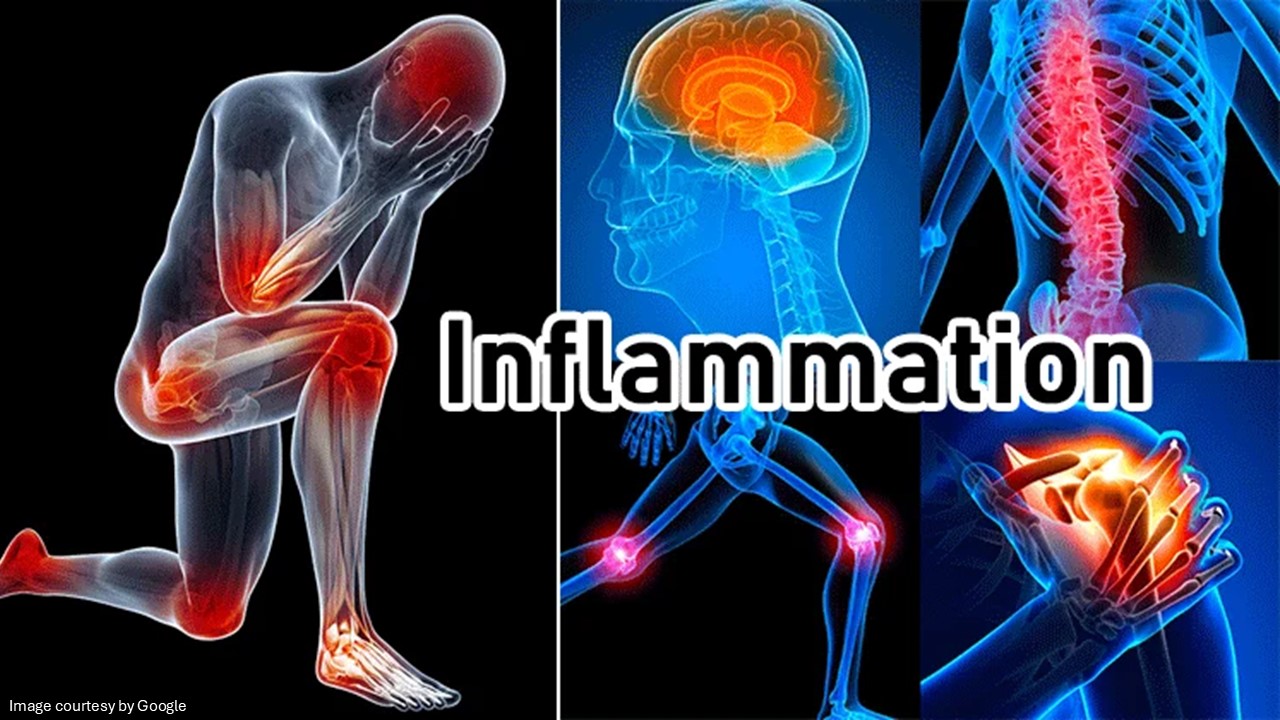
If inflammation becomes chronic, it can silently damage your tissues and contribute to serious health conditions. Understanding how inflammation promotes poor health and how we can help reduce the risk of inflammation-related disease should thus be a top priority. In this comprehensive guide, you will learn about the causes of inflammation, recognise key inflammation symptoms, understand signs of inflammation in body systems, and discover proven ways to reduce inflammation naturally and medically.
Introduction
One of the most important scientific discoveries in health research over the past few years has shown that inflammation plays a crucial role not only in a few health conditions but also in many diseases that contribute substantially to morbidity and cause early mortality. The list of health conditions includes several psychiatric conditions, such as unipolar and bipolar depression, anxiety, post-traumatic stress disorder, and schizophrenia, as well as numerous physical disease conditions such as rheumatoid arthritis, asthma, alzheimer’s disease, osteoporosis, stroke and certain cancers. According to research studies, inflammation is involved in at least 8 out of 10 leading causes of death in the United States.
What Is Inflammation?
Inflammation is the immune system’s protective response to harmful triggers such as bacteria, viruses, toxins, or physical injury. When your body detects a threat, it releases immune cells and chemicals to fight it and begin the healing process. There are two main types of inflammation:
- Acute inflammation is a short-term response that occurs immediately after injury or infection. It is usually visible, causing redness, swelling, heat, and pain.
- Chronic inflammation develops slowly and persists. It often goes unnoticed but can lead to long-term health complications if not addressed.
Understanding the difference between these types is crucial when evaluating inflammation symptoms and deciding how to reduce inflammation effectively.
Causes of inflammation
The causes of inflammation can vary widely, ranging from infections to everyday lifestyle habits.
- While acute inflammation is often triggered by injury or illness, chronic inflammation is usually linked to long-term factors. One of the most common causes is a poor diet.
- Regular consumption of processed foods, refined sugars, and unhealthy fats can activate inflammatory pathways in the body.
- Lack of physical activity also contributes by slowing metabolism and weakening immune regulation.
- Chronic stress is another major contributor. Elevated stress hormones keep the body in a constant state of inflammation.
- Environmental factors such as pollution, smoking, and exposure to toxins further increase inflammation levels. In some cases, autoimmune conditions cause the immune system to attack healthy tissues, resulting in persistent inflammation.
Identifying these causes of inflammation is the first step toward prevention and treatment.
Inflammation symptoms and warning signs
Recognising inflammation symptoms early can help prevent serious health issues. Acute inflammation is usually easy to identify, presenting with visible signs such as swelling, redness, warmth, and pain. Chronic inflammation, however, is more subtle. Common signs of inflammation in the body include persistent fatigue, joint pain and stiffness, muscle aches, bloating, frequent infections, and skin issues such as acne or rashes. Some people may also experience brain fog, low energy, or mood changes. These symptoms are often overlooked but may indicate ongoing inflammation within the body.
How to check inflammation levels?
If you suspect chronic inflammation, it is important to understand how to check inflammation levels. Medical tests can provide accurate insights into your condition. The C-reactive protein (CRP) test is one of the most common methods for measuring inflammation. Elevated CRP levels indicate that the body is responding to an inflammatory trigger. Another important test is the erythrocyte sedimentation rate (ESR), which helps detect ongoing inflammation. In more complex cases, additional biomarkers may be evaluated. Regular health check-ups and early testing allow for timely intervention and more effective treatment.
Effects of chronic inflammation on health
Chronic inflammation can have serious and wide-ranging effects on health. Over time, it can damage tissues and disrupt normal bodily functions. In the cardiovascular system, inflammation contributes to plaque buildup in arteries, increasing the risk of heart disease and stroke. It also interferes with insulin function, leading to diabetes and weight gain. Joint inflammation causes pain and stiffness, commonly seen in arthritis. In the digestive system, inflammation can lead to conditions such as irritable bowel disorders. Emerging research also suggests a connection between inflammation and brain health, including cognitive decline and mood disorders. These widespread effects highlight the importance of taking steps to reduce inflammation early.
Also Read: Acid Reflux: Causes, Symptoms, & Treatments
Anti-inflammatory foods that help reduce inflammation
Diet plays a crucial role in controlling inflammation. Including the right anti-inflammatory foods in your daily routine can significantly improve your health. Foods that help reduce inflammation include:
- Fruits rich in antioxidants, such as berries and oranges
- Leafy green vegetables like spinach and kale
- Fatty fish, such as salmon, are high in omega-3 fatty acids
- Nuts and seeds that support immune function
- Whole grains and legumes for gut health
- Spices like turmeric and ginger have anti-inflammatory properties
At the same time, limiting processed foods, sugary drinks, and refined carbohydrates is essential to prevent inflammation from worsening.

Lifestyle changes to reduce inflammation naturally
In addition to diet, lifestyle habits play a major role in managing inflammation.
- Regular physical activity helps regulate immune function and reduce inflammatory markers. Even moderate exercise, such as walking, can be beneficial.
- Stress management is equally important. Practices like meditation, yoga, and deep breathing can help lower stress levels and reduce inflammation. Quality sleep is also essential, as poor sleep patterns are linked to increased inflammation.
- Staying hydrated, avoiding smoking, and limiting alcohol intake further support the body’s ability to heal and maintain balance.
Also Read: Does Alcohol Cause Acid Reflux?
When to consider medical treatment
While natural methods are effective, some cases of inflammation require medical treatment. Persistent or severe inflammation symptoms may require medication to relieve symptoms and prevent complications. Anti-inflammatory drugs can help control pain and swelling, especially in chronic conditions. It is important to consult a healthcare professional to determine the most appropriate treatment plan. Combining medical treatment with lifestyle changes offers the best results for managing inflammation and improving overall health. ReliableRxPharmacy helps you access medicines, supplements, and lifestyle blogs to treat inflammation and other health issues.
Conclusion
Understanding inflammation and its effects on health allows you to make informed decisions. By recognising inflammation symptoms, identifying its causes, and learning how to check inflammation levels, you can take proactive steps toward better health. Incorporating anti-inflammatory foods, adopting healthy lifestyle habits, and seeking appropriate treatment, when necessary, can help you effectively reduce inflammation and prevent long-term complications.