
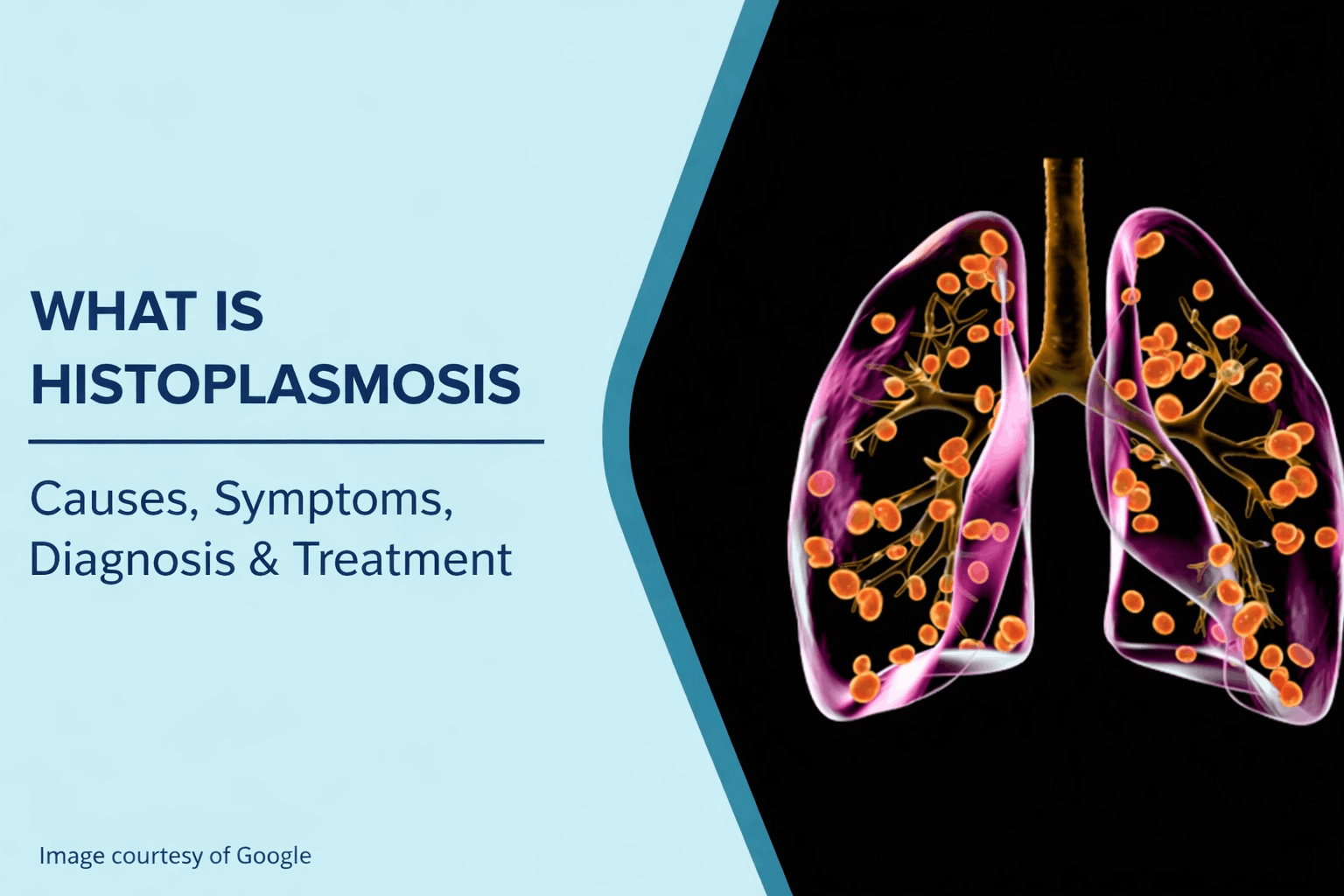
If you develop a cough, chest discomfort, or flu-like symptoms after exposure to soil, bird droppings, or caves, you may have histoplasmosis, a fungal infection. The infection appears mild at first, but if left untreated, it can affect other organs. This blog page provides the best possible information on histoplasmosis, from symptoms and causes to diagnosis and treatment options.
Introduction
Histoplasmosis, caused by the fungus Histoplasma capsulatum, is a lung infection which is particularly prevalent in the United States and the southeastern states. It is a soil-based fungus, commonly found in soil with bird or bat droppings (poop). Often, the infection is asymptomatic, but inflammation can lead to a pulmonary disease resembling pulmonary tuberculosis.
What is histoplasmosis?
Histoplasmosis is an infection caused by the fungus Histoplasma capsulatum, which is commonly found in soil contaminated with bird or bat droppings. This infection mainly affects the lungs but can spread to other parts of the body in severe cases. While many individuals exposed to the fungus may not develop noticeable symptoms, others, especially those with weakened immune systems, can experience significant health complications. Histoplasmosis is more common in certain regions, particularly areas with warm, humid climates and soil rich in organic material. Understanding the condition, including histoplasmosis symptoms, causes, diagnosis, and treatments, is crucial for timely detection and effective management.
Read More : Can Diet Help to Manage Asthma?
Histoplasmosis causes: How do you get it?
Histoplasmosis develops when fungal spores present in contaminated environments become airborne and are inhaled into the lungs. These microscopic spores are commonly released when soil or droppings are disturbed during everyday activities. For example, individuals who clean areas with accumulated bird droppings, work in chicken coops, or explore caves inhabited by bats are at higher risk of exposure. Similarly, construction, excavation, farming, and gardening activities can release spores into the air, making them easy to inhale without realising the danger. Once inside the lungs, the spores begin to multiply, potentially causing infection depending on the individual’s immune response. While healthy individuals may clear the infection naturally, those with compromised immunity, including patients undergoing chemotherapy or long-term medication, older adults, and individuals with chronic lung conditions, are significantly more vulnerable. In such cases, even limited exposure can lead to more serious forms of the disease.
Histoplasmosis symptoms: Signs you shouldn’t ignore
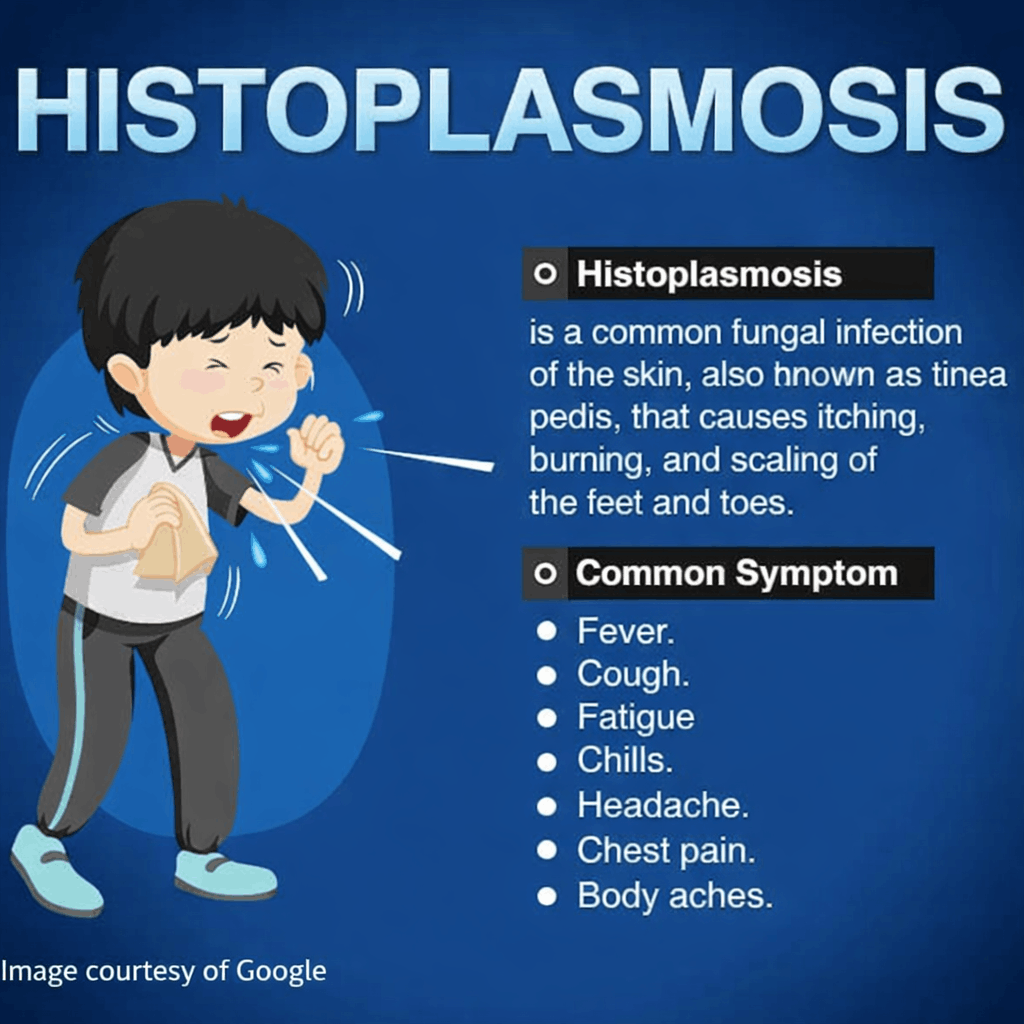
Histoplasmosis symptoms often mimic those of the flu or respiratory infections, making them easy to overlook. Early histoplasmosis symptoms include fever and chills, dry cough, chest discomfort, fatigue, headache, and body aches. These may appear within 3 to 17 days after exposure.
Advanced or Severe Symptoms may include persistent fever, shortness of breath, night sweats, weight loss, and chronic cough (sometimes with blood).
Dangerous Form: Disseminated histoplasmosis – If untreated, the infection can spread to organs such as the liver, spleen, and brain. Warning signs include severe fatigue, anaemia, organ dysfunction, and skin lesions. If symptoms persist beyond a few days, it’s time to act, not delay the condition.
Histoplasmosis diagnosis: The importance of early detection
Histoplasmosis diagnosis can be challenging because it can mimic other respiratory conditions. A thorough medical evaluation is needed to confirm the infection. Healthcare providers typically begin by assessing the patient’s medical history, including any recent exposure to high-risk environments such as construction sites, caves, or areas with bird or bat droppings.
To support diagnosis, imaging tests, including chest X-rays or CT scans, are often used to identify abnormalities in the lungs, including nodules or cavities. Laboratory testing plays a critical role, with blood and urine tests helping detect fungal antigens in the body. In some cases, sputum samples or tissue biopsies may be required to more accurately confirm the infection. Serological tests may also be conducted to identify antibodies produced in response to the fungus.
Timely diagnosis of histoplasmosis is crucial, as it enables healthcare providers to start treatment promptly. A delay in diagnosis can ultimately contribute to worsening symptoms and increased risk of complications, particularly in high-risk individuals.
Read More: Asthalin HFA Inhaler: What are its uses and effects?
Histoplasmosis treatment: proven medical solutions
Histoplasmosis treatment depends largely on the severity of the infection and the patient’s overall health condition. Mild cases may resolve without antifungal therapy, but close monitoring is still recommended to ensure symptoms do not progress. However, moderate-to-severe infections require targeted antifungal treatment to eliminate the fungus and prevent further spread. One of the most commonly prescribed medications for histoplasmosis treatment is itraconazole, an oral antifungal drug widely used for mild to moderate infections. It works by inhibiting fungal growth, allowing the body to recover gradually. In more severe or disseminated cases, amphotericin B may be administered intravenously under a healthcare professional’s guidance to control the infection rapidly. Treatment duration can vary, typically ranging from several weeks in mild cases to several months in more severe conditions. Completing the full course of medication as prescribed by the healthcare provider is essential to prevent relapse and ensure complete recovery.
Itraconazole for histoplasmosis treatment
Itraconazole is considered a first-line therapy for histoplasmosis and is widely recommended for its effectiveness and oral convenience. It is available in multiple formulations, including capsules and oral solutions, making it suitable for different patient needs. Patients seeking reliable treatment options often look for trusted pharmaceutical sources that offer high-quality antifungal medications at competitive pricing. Access to itraconazole through reputable online pharmacies ensures both affordability and convenience, especially for long-term treatment plans. When purchasing itraconazole, it is important to choose verified suppliers that provide genuine products, proper dosage guidance, and secure delivery. Reliable platforms also offer customer support and detailed product information, helping patients make informed treatment decisions. Choosing a dependable source for antifungal medication can significantly impact treatment success and overall health outcomes.
How to prevent histoplasmosis
Delaying treatment can lead to chronic lung disease, spread of infection to vital organs, and increased hospitalisation risk. Early treatment not only speeds recovery but also prevents long-term damage. While exposure isn’t always avoidable, you can reduce your risk by following these easy tips:
- Wear masks in dusty or contaminated areas
- Avoid cleaning bird/bat droppings without protection
- Wet soil before digging to reduce airborne spores
- Maintain hygiene after outdoor activities
Note: Prevention and awareness result in stronger protection.
Moreover, if you’re experiencing symptoms of histoplasmosis or suspect exposure, don’t delay care. As mentioned above, early diagnosis and proper treatment for histoplasmosis can not only shorten the illness duration but also prevent complications and improve overall recovery outcomes. Access trusted medications and healthcare solutions as advised by yoru healthcare specialists from authentic sources to ensure safe and effective treatment.
Read More: Cold Weather and Asthma: How to Protect Your Lungs in Winter
Verdict!
Histoplasmosis may start as a mild infection but can become serious if left untreated. By understanding histoplasmosis causes, symptoms, diagnosis, and the importance of timely histoplasmosis treatment, you empower yourself to take control of your health. Stay informed. Act early and choose reliable treatment options with a healthcare professional’s help.