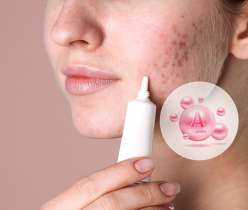


Tretinoin is an extremely effective solution; however, using it at higher concentrations can cause redness, sensitivity, skin peeling, and worsening of breakouts. If you are wondering what tretinoin dosage to start with, this article is for you. You will learn how to choose the right tretinoin dosage based on your skin type, skin concerns, and tolerance, so you can safely introduce a retinoid to your skincare routine.
About tretinoin and its strengths
Tretinoin is a valuable medication for treating mild, moderate, and severe acne, and it can be applied to the skin. It is a dermatologically trusted topical retinoid available in the cosmeceutical industry. Whether you need to treat acne, reduce pigmentation, smooth fine lines, or achieve an even tone, choosing the right tretinoin strength is essential for achieving results without unwanted irritation. Tretinoin’s commonly prescribed concentrations are 0.025%,0.05%, and 0.1%. Different formulations exist as well, including gel, cream, and microsphere gel, each influencing how strongly the product impacts your skin. Gels and microsphere gels quickly absorb into the skin, while creams are gentler. Before deciding on a dose, it helps to understand how each strength functions on the skin.
Tretinoin 0.025%: This is often considered a beginner-friendly dosage. Most recommended starting strength by dermatologists. It is effective at managing acne, early pigmentation, and rough texture. At the same time, tretinoin of 0.025% concentration is gentle enough to minimise the risk of irritation. This is the lowest dosage of tretinoin, often used for individuals with sensitive or dry skin, new users, mild acne, or pigmentation concerns.
Tretinoin 0.05% – Dermatologists usually recommend tretinoin 0.05% once your skin has developed tolerance to the lowest dose and you are ready to switch to a higher dosage to achieve maximum results. It is a more powerful act that rapidly works on acne-prone skin, over clogged pores, fine lines and hyperpigmentation. It is a suitable option for people with normal to oily skin. This medium-strength tretinoin can manage moderate acne, stubborn pigmentation, and noticeable uneven skin texture.
Tretinoin 0.1% – This is the highest-strength prescription retinoid that is often used in experienced users or those with severe acne. The highest dosage of tretinoin is extremely effective in treating deep pigmentation and advanced signs of ageing.
If you have any doubt, please consult a dermatologist for a tretinoin dosage chart.

Choosing the right tretinoin dosage for your skin
Selecting the right tretinoin dosage doesn’t mean picking up the higher strength. It’s about choosing the one your skin can handle and benefit from with consistent use. Certain factors need to be considered while choosing from a tretinoin dosage chart:
-
- Skin type: People with sensitive skin should start with 0.025% strength. The mildest concentration is considered the safest for such people. Those with dry skin should opt for a sandwich method: apply moisturiser, then tretinoin, then moisturiser again. This helps to avoid excessive dryness and peeling. People with dry skin should avoid high concentrations initially. For oily and acne-prone skin, you may be advised to switch to a higher concentration from 0.05% to 0.1% but it is always recommended to build tolerance gradually. A gel formulation works well for people with oily skin. Those with normal skin types may begin treatment with 0.025% or 0.05% based on tolerance.
- Your skin condition: Tretinoin treatment generally depends on the condition being treated. Your dermatologist will always recommend a prescription-strength tretinoin after analysing your skin condition. You may have mild, moderate, or severe skin issues.
- Your history with retinoid use: Those who have never used a retinol or used an over-the-counter retinol previously may start with 0.025% or 0.05%. With retinoids, skin builds tolerance over time, which determines how quickly you can switch to a higher concentration.
- Tolerance level of your skin: Skin’s tolerance level may vary from one person to another. It is important to pay attention to signs such as redness, burning, stinging, tightness, and peeling. These signs could indicate that your current strength is too strong or applied excessively if your skin feels smooth, stable, non-irritated, moisturised or clearer. You may continue with the same dosage or consider increasing it after 8 to 12 weeks under a dermatologist’s guidance.
The strength should not be increased in the following situations:
-
- Your skin is currently irritated
- To have dermatitis, eczema, or severely dry skin
- You are experiencing purging (an active breakout)
- You are not regular with your sun protective measures
- You are pregnant or breastfeeding. Tretinoin is not recommended in such cases.
Tips to minimise irritation
-
- Apply the tretinoin formulation to completely dry skin
- Prefer using a gentle, non-foaming cleanser
- Moisturise before and after tretinoin application
- Using sunscreen is an essential part of tretinoin treatment
- Avoid using harsh exfoliants during the initial weight loss weeks of the treatment
- A pea-sized amount is enough to apply to the entire affected area.
- Avoid applying the product to the nose, mouth, or under-eye area.
How long does it take to see results with tretinoin?
Consistency matters when it comes to seeing results with any tretinoin cream dosage. Even the lowest concentration, 0.025%, provides excellent results when used regularly under a dermatologist’s supervision. Generally, after only 4 to 6 weeks of regular application, one can see significant improvement in acne, hyperpigmentation, fine wrinkles, hydration, and elasticity. For six months and beyond, continued use can lead to long-lasting results, providing smoother skin, fewer wrinkles, and a radiant complexion.
Conclusion
Choosing the right tretinoin cream dosage is related to effectiveness and ease of use. The highest dosage of tretinoin may act faster but is associated with an increased risk of irritation. Many people achieve long-term results by starting treatment at a low dose and gradually increasing it as needed. If you are not sure where to begin, start with a low dose of 0.025% to slowly build up the tolerance. When used patiently, tretinoin formulation can become the most transformative addition to your skincare regimen.