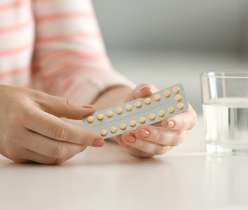


If you are taking birth control pills and discover you have conceived, you may wonder whether your birth control pill causes harm to your baby or if there is a chance of miscarriage. According to research studies, some types of birth control pills may cause complications, but most of them are relatively safe.
Introduction
Birth control pills commonly have hormones that mimic the hormones produced by a woman’s body. Oral contraceptives help prevent pregnancy by thickening the cervical mucus, which prevents the sperm from reaching the female egg. However, oral contraceptives cannot offer a 100% guarantee against pregnancy, and there is a possibility that a woman may unexpectedly become pregnant while taking birth control pills.
Can you take birth control while pregnant?
Many women may want to know the facts, especially if they are going through an unexpected pregnancy. Well, according to a current research study, if you accidentally took birth control while pregnant, it is unlikely to harm your developing baby. However, once the pregnancy is confirmed, a gynaecologist generally recommends stopping the contraceptive pills straight away and advises seeking prenatal care.
What if birth control pills are accidentally taken while pregnant?
It is often wondered by many what happens if you take birth control while pregnant. Fortunately, most studies have found no strong evidence that consumption of birth control pills while pregnant contributes to major birth defects or long-term developmental disorders. Here, it is important to understand that contraceptive pills are especially formulated to prevent pregnancy, not to support one, so they are not supposed to offer any beneficial effect after conception. Many women experience pregnancy while on birth control, as there is no contraceptive strategy that is 100% effective. So, if you got pregnant on birth control pill, it may be because you may have missed doses. Moreover, other reasons may include interactions with certain medications, vomiting, diarrhoea, or you may be part of the small failure rate linked with oral contraceptive use.
Do birth control pills cause harm to the baby? OR Can birth control pills harm a baby?
This is one of the common questions among women seeking birth control pills to terminate pregnancy. No research evidence reveals that birth control pills in early pregnancy increase the likelihood of birth defects when accidentally consumed before pregnancy is confirmed. It has been demonstrated that an oral contraceptive during the initial days of pregnancy may not affect the developing fetus. However, some side effects of taking oral contraceptives while pregnant can occur.
Birth Defects
Many women who got accidentally pregnant while using birth control pills may be worried about their growing baby being born with certain birth defects. But according to the Food and Drug Administration, no evidence that taking birth control pills or progestin-only pills while pregnant may increase the chances of birth defects in babies or cause pregnancy complications. Here it is important to note that there is very little research on this subject. This is because medical ethics won’t allow researching the mother and her unborn baby.
Most of the data has emerged from research comparing pregnant women who used birth control pills during their early phase of pregnancy against those who haven’t used the contraceptive pills. Still, experts don’t recommend continuing birth control pills while getting pregnant. It is important to understand that her child will ultimately take every drug a pregnant woman takes. Therefore, if you’re unsure, taking a pregnancy test is a wise decision. If a pregnancy test is not possible for some reason, try other contraceptive methods. Some studies suggest that pills containing progestin may slightly increase the risk of birth defects in boys where the opening of the urethra is absent at the tip of the penis.
Can birth control pills cause miscarriage?
Miscarriage myths – Well, some women believe that if they continue taking birth control pills while pregnant, they are more likely to have a miscarriage, which is not true, and no evidence suggests that. A hormonal contraceptive pill acts by thickening cervical mucus to prevent the entry of sperm into the uterus. They help stop ovulation and prevent the thickening of the uterine lining that supports implantation. Birth control pills do not contribute to miscarriage.
Others believe that taking birth control pills may cause termination of pregnancy, which is also not true. Birth control pills do not affect once the fertilised egg is planted. To end the pregnancy, certain medicines can be used if desired. Such medications are considered contraceptives, and they are often called a medical abortion. These abortion pills should be taken under the supervision of a health care specialist.
Miscarriage risks and IUD
There may be complications if you have an intrauterine device (IUD) and conceive a baby. According to research studies, if a pregnant woman chooses to leave her IUD during early pregnancy, she is more likely to have a miscarriage; her risk of having a miscarriage will increase to around 40%. Furthermore, such women are more likely to have a preterm birth. Therefore, it is important to always speak to a health care specialist to remove the IUD once you become aware of your pregnancy and continue to carry the baby. Removing the IUD earlier can reverse these risks.
Conclusion:
Unintended use of oral contraceptives in the initial days of pregnancy seems to lower the risk of associated complications. If you are pregnant, ask your healthcare specialist about medications, supplements, and other over-the-counter products. It is smart to discontinue birth control pills when you discover your pregnancy.