
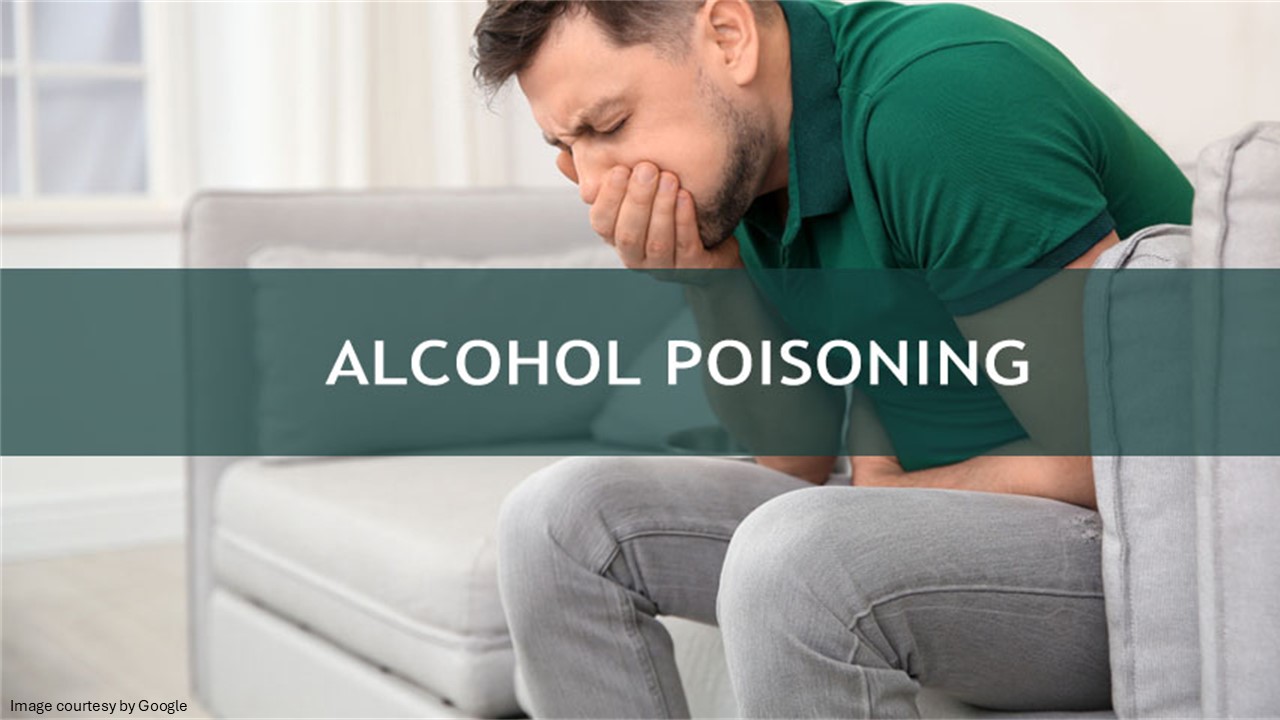
We all know that excessive drinking is not good for one’s health. That said, there are times when we do not understand our drinking limits and go on a binge. However, such regular drinking bouts can very easily go wrong. Alcohol poisoning is a serious issue, but not many people understand. Many tragedies can be prevented by simply being careful with our drinks and seeking medical help on time. We need to ask ourselves the question, how much is really too much, the dangers of alcohol, the effects of alcohol, and what do you do when someone is intoxicated beyond normal limits? Is there any medication for alcoholism? What is alcohol poisoning, and when should you seek help? Read on to know the answers to these questions.
Alcohol – is it a poison?
If alcohol consumption can result in poisoning and turn fatal for you, it definitely needs to be moderated. Whether alcohol is lethal or not really depends on how you drink it and how you space out your drinks. If you consume too much alcohol in very little time, it will have serious repercussions, as too much alcohol in your blood can be dangerous. It disrupts your normal bodily functions.
What does excessive drinking do to the body? It is important to understand how your body reacts to excessive drinking; let’s find out.
How alcohol affects your body?
Here are some of the ill effects of over-consumption of alcohol:
-
- Causes excessive dehydration, which in turn can result in brain damage
- Decreased blood sugar levels resulting in convulsions
- Decrease body temperature, causing hypothermia
- Slowing down of brain activity, resulting in a bad sense of coordination and balance
- Irregular heartbeatand breathing.
- Excessive drinking can also lead to vomiting, which can turn fatal if you choke on your own vomit.
What are the warning signs of alcohol poisoning?
While a lot of people are already aware of effects like stomach irritation, vomiting and a hampered sense of balance, not many know and understand that these can all turn fatal after a point.
Acute alcohol poisoning can cause excess mental confusion, loss of body balance, hypothermia, slowed breathing and more. In the worst cases, the person can experience more severe conditions such as seizures or complete unconsciousness.
How do you know if you are drinking too much?
While every individual has a different tolerance level, some guidelines suggest a general drinking limit for people. 10 ml of pure alcohol constitutes 1 unit. A person should not exceed 1 unit in two hours, as it takes the body that much time to process the alcohol. For those who drink regularly, say most days of the week, here are the general regulations: 2 to 3 alcohol units a day for men; 1 to 2 alcohol units a day for women. Any more than that will cause serious problems to your health. It is recommended that you make your own drinks so as to keep a track of how much alcohol you are consuming, letting you regulate it within safe limits.
It is also important to understand that it is not just binge drinking that causes alcohol poisoning. Other important factors include how fast you drink, how much you eat while you drink, whether or not you are on any medication and have health issues. Additionally, your sex, age and weight all play an important role in deciding your drinking limits. The above-mentioned guidelines can help you drink wisely.
You know best about yourself, and should stop consuming alcohol if you start to feel sick or nauseated. Monitor your health and your drinking habits, and get medication for alcoholism if needed.
How to help a victim of alcohol poisoning or how to prevent alcohol poisoning?
Do not wait for all signs of alcohol poisoning to show up. The victim will need medication to prevent irreversible brain damage or worse, death. If you think that someone is showing signs of acute alcohol poisoning, do not hesitate to seek immediate help by calling emergency services. There are experts who can handle such cases. Timely treatment can help save someone’s life. Medical professionals will usually administer alcohol medication, use a catheter to empty the person’s bladder, insert a tube through their mouth to help them breathe, put a drip to maintain their blood sugar and flush toxic fluids out of their stomach with a pipe.
But while medical help arrives, here is what you can do in the meantime. Try to keep the person awake and see if you can make them drink some water. Gently slap or pinch them to try to keep them conscious. Keep the person warm, as body temperature tends to drop at times like these. If the person has passed out, make them lie down on their side—the left side, if possible—to prevent any incidence of choking. Put their arm over their head. No matter what you do, do not leave the person alone and unattended and keep monitoring their breathing and pallor.
Better be safe than to feel regret!
Are you, or someone you know, becoming dependent on alcohol? Alcohol abuse has become a common problem. If the situation is handled on time, a possible case of alcohol poisoning can be prevented. Counseling, self-control and medication to stop drinking can help people with an addiction. If you crave alcohol right after you wake up, or can’t stop once you start drinking, you are becoming addicted to alcohol. When you are not drinking, you might experience withdrawal symptoms such as nausea and sweating. If such is the case with you and you realize you’re being sucked into alcoholism, talk to your doctor and ask for a prescription medication to stop drinking. Join a support group if needed, and do not be embarrassed by your situation.
Now that you are aware of the gravity of the long term effects of alcohol abuse, monitor your drinking habits carefully. Stay within the advised limit of alcohol units and take care of those around you. If you think someone needs help, step up and do the right thing. You might save someone’s life.