

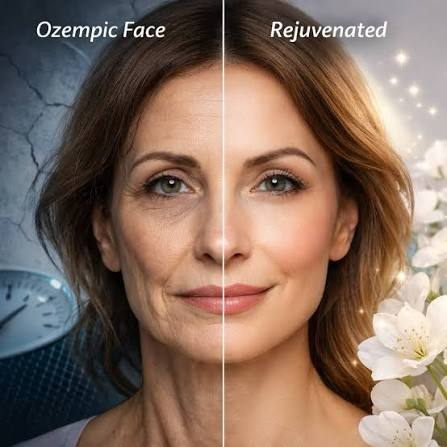
People taking Ozempic may feel hopeful about the outcomes. But it’s not always the case; some may develop “Ozempic face”, a possible side effect of rapid weight loss that semaglutide (Ozempic) therapy can bring. This article discusses Ozempic face weight loss, Ozempic face causes, and whether it can be reversed.
Introduction
What is Ozempic face? The term “Ozempic face” refers to facial changes caused by rapid weight loss. Someone with Ozempic face may notice gauntness, new wrinkles, sunken cheeks, and loose skin on the face and neck after losing weight with Semaglutide (Ozempic). Semaglutide helps regulate blood sugar and reduces appetite, which can lead to weight loss. As the body loses fat, some of it disappears from the face.
Common symptoms: Ozempic face
Ozempic face symptoms vary from person to person, depending on factors such as age, genetics, skin elasticity, and how much fat you lose. Some people notice only slight changes, while others see more visible changes. Common Ozempic face symptoms include:
-
Hollow or flatter-looking cheeks.
-
Sunken temples or a more prominent under-eye area.
-
Deeper lines around the mouth and nose.
-
Loose skin along the jawline.
-
More noticeable wrinkles.
-
A tired or less youthful facial appearance.
These changes do not necessarily indicate a health problem. However, if facial changes occur alongside persistent vomiting, dizziness, weakness or difficulty eating, contact your healthcare professional to check for dehydration or inadequate nutrition.
Also Read:
Causes of Ozempic face
One of the main Ozempic face causes is the reduction of fat beneath the skin. Semaglutide can make it easier to eat fewer calories, leading to weight loss throughout the body, including the face. The speed and extent of weight loss can affect how quickly these changes appear. Losing a large amount of weight quickly may leave less time for the skin to adjust to the reduced facial volume. Age may also be a factor. As we get older, collagen and elastin levels gradually decline, making the skin less elastic. Genetics, sun exposure and existing skin laxity can further affect the outcome. Inadequate protein intake, dehydration and muscle loss may also contribute to a less healthy-looking appearance during weight loss.
Ozempic face before and after: what changes can you expect?
When comparing Ozempic face before and after photos, the most noticeable differences are often reduced cheek fullness, more defined facial contours, and more noticeable wrinkles or loose skin. However, photographs are not enough. Lighting, camera angles, facial expressions, age, and the amount of weight lost can affect an individual’s appearance. Not everyone taking Ozempic will develop noticeable facial changes. Don’t consider a thinner face unhealthy, either, since no single appearance defines Ozempic face. The key is whether you’re losing weight at a healthy pace and maintaining good nutrition and overall health.
Also Read: How Tretinoin Helps in Treating Acne
How to Fix Ozempic Face?
Treating Ozempic face – The right approach depends on whether your main concern is lost facial volume, loose skin, or fine lines. No single treatment works for everyone.
-
Follow a balanced diet: Protein intake is crucial during weight loss because it helps maintain muscle. Incorporate protein-rich foods into your meal plan, such as eggs, yoghurt, lentils, beans, tofu, paneer, fish, or lean meat, depending on your dietary preferences. Moreover, green leafy vegetables, colourful fruits, nuts and seeds provide essential nutrients and vitamins that support overall health. Avoid crash diets or excessively restrictive eating, especially when taking appetite-suppressing medication.
-
Hydration is key! Dehydration means when yoru body loses more fluids than you take in. This can make your skin look dull and make fine lines more noticeable. Drink fluids regularly, and follow your healthcare professional’s advice if you have a condition that requires fluid restriction.
-
Routine skin care is crucial: Good skin care can support you on this journey. Use a mild cleanser, a moisturiser enriched with skincare ingredients such as glycerin or ceramides, and a broad-spectrum sunscreen with SPF 30 or higher. You can also discuss yoru skin routine with your dermatologist, who may recommend a topical retinoid to help fade fine lines, depending on your skin and medical circumstances. Retinoids like Tretinoin 0.025% can improve skin appearance but cannot replace lost facial fat.
-
Consider Ozempic face fillers: Ozempic face fillers may help people whose main concern is hollow cheeks, sunken temples or reduced facial volume. Hyaluronic acid fillers can restore fullness in selected areas and produce visible results relatively quickly. However, fillers are not suitable for everyone and can cause complications, including swelling, lumps and, rarely, serious vascular problems. Treatment should be performed by a qualified medical professional experienced in facial anatomy.
-
Explore tightening procedures: For mild skin laxity, a dermatologist may suggest radiofrequency treatments, certain laser procedures or other collagen-stimulating treatments. These are often referred to as Ozempic face skin tightening procedures. Results vary, and these procedures generally offer more modest improvements than surgery when skin laxity is substantial. If loose skin remains visible after weight has stabilised, your healthcare professional may suggest surgical options. At this time, a medical assessment can help determine whether a procedure is likely to provide meaningful results.
Can Ozempic face be reversed? Whether Ozempic face can be reversed depends on the changes involved. Generally, dryness and a tired appearance may improve with hydration, adequate nutrition and skincare. Some skin laxity may improve over time, but you cannot restore lost facial fat by any means, even with creams or facial exercises alone. Cosmetic treatments may help more when facial volume loss is pronounced. Regaining weight can restore some facial fullness in certain people, but deliberately gaining weight is not a reliable or necessary solution.

Prevention
Let’s find out how to prevent Ozempic face. Although it cannot always be prevented, there are a few habits that may help reduce the likelihood of pronounced facial changes:
-
Aim for a sustainable rate of weight loss rather than trying to lose weight as quickly as possible.
-
Eat enough protein and maintain a balanced diet.
-
Stay hydrated and address persistent digestive side effects.
-
Include appropriate resistance training to help preserve muscle.
-
Protect your skin from excessive sun exposure.
-
Attend follow-up appointments with your prescriber to monitor weight loss and nutritional health.
Do not change your Ozempic dose or stop taking it without discussing the decision with your prescriber.
Ozempic face: How long does it last? Well, there is no fixed timeline. The Ozempic face appearance may remain while facial fat stays reduced, and some changes can persist even after your weight stabilises. Skin texture and slight looseness may improve over several months, but results depend on factors such as age, genetics, and how much weight you lose.
Conclusion
Ozempic face is usually a visible result of losing facial fat with semaglutide. Ozempic face natural remedies include eating a balanced diet, getting enough protein, staying hydrated, and using consistent skincare to support your health and skin during weight loss. When hollowing or loose skin becomes a significant concern, a dermatologist can discuss suitable treatment options. The goal is to maintain your health while finding an approach that helps you feel comfortable with your appearance.
Also Read: Does Careprost Change Eye Color? Understand Myth vs Fact
FAQs
1. What is Ozempic face, and what causes it?
Ozempic face is when your face becomes thinner or less firm after losing a lot of weight while taking Ozempic (Semaglutide). This happens because the fat loss is triggered by a GLP-1 receptor agonist like Ozempic.
2. What does Ozempic face look like before and after weight loss?
A fuller face may gradually become narrower as body weight drops. Cheeks may become sunken, the temples may look hollow, and folds around the nose and mouth may stand out more.
3. Can Ozempic face be reversed naturally?
No, Ozempic face cannot be reversed once a large amount of facial fat and collagen is lost.
4. How can you prevent or reduce facial volume loss while losing weight?
Avoid losing weight too quickly, and make sure your meals provide enough protein and essential nutrients. Strength training can help preserve muscle, although it cannot control where your body loses fat.
5. What treatments help improve sagging skin and facial volume loss associated with Ozempic face?
The right option depends on whether the main concern is hollow cheeks, wrinkles, or loose skin. A dermatologist may discuss fillers or skin-tightening procedures after examining your face and reviewing your medical history.
6. How long does Ozempic face last after stopping or changing treatment?
Facial changes from Ozempic face may not go away even after you stop or change Ozempic.

