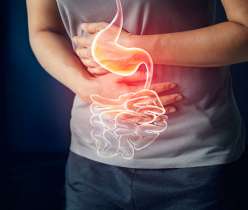


Gastroenteritis infections can sometimes become serious, especially in children, older adults, and people with weakened immune systems. The objective of this article is to provide information on what causes gastroenteritis, its symptoms, and associated complications, to help individuals take timely action, prevent its spread, and reduce the risk of complications.
Understanding gastroenteritis
What is gastroenteritis? Well, gastroenteritis, commonly called stomach flu, is inflammation of the gastrointestinal tract, accompanied by symptoms such as vomiting, diarrhoea, abdominal cramps, and, in some cases, fever. Various infectious agents may be behind this stomach infection, including bacteria, viruses, and parasites. The condition is typically transmitted through contaminated food, water, or person-to-person contact. Gastroenteritis is a public health issue affecting people of all ages worldwide. According to data released by the World Health Organisation (WHO), diarrheal diseases account for 1 billion cases each year, with gastrointestinal diseases being a major contributor. In developing countries, the stomach flu is a leading cause of morbidity and mortality, particularly in children under five years of age.
Gastroenteritis causes
Gastroenteritis can be caused by a broad range of infectious agents, including bacteria, viruses, and parasites.
The major causes of gastroenteritis are rotaviruses, noroviruses, astroviruses, and adenoviruses. Viral gastroenteritis is highly contagious. Common bacterial pathogens associated with gastroenteritis include Salmonella, Escherichia coli, Shigella, and Vibrio cholerae. Bacterial gastroenteritis occurs when bacteria enter the digestive tract, often through contaminated foods or drinks. Bacterial infections may cause more severe symptoms than viral gastroenteritis, which includes bloody stools, high fever, and abdominal pain. Parasitic agents, including Entamoeba histolytica, Giardia lamblia, and Cryptosporidium parvum, can also contribute to gastroenteritis. Parasites are less common but are an important cause of stomach infections, particularly in areas with poor sanitation or unsafe drinking water. Parasitic gastroenteritis often leads to prolonged diarrhoea, fatigue, and weight loss if left untreated.
Various factors and modes of transmission influence the scientific study of the disease’s control and spread. The common mode of spread for viral and bacterial gastroenteritis is person-to-person, particularly via the faecal-oral route. Foodborne transmission is also a route in which contaminated food and water serve as vehicles for infectious agents. Poor food handling, unpasteurized dairy products, undercooked meat, and raw vegetables and fruits washed with unsafe water. Street food or food prepared in unhygienic conditions causes a significant increase in parasitic gastrointestinal infections. Certain risk factors include inadequate access to safe drinking water, poor sanitation, crowded living conditions, and a compromised immune system. Inadequate handwashing, dirty toilets, and poor waste disposal contribute to the spread of infectious agents that cause gastroenteritis. This condition is especially common in crowded environments and during outbreaks. Children are more vulnerable to such situations because they may not consistently follow proper hygiene practices.
Moreover, certain medications can also irritate the stomach lining, ultimately contributing to gastroenteritis-like symptoms. Antibiotics can disrupt healthy gut bacteria (Clostridium difficile), allowing harmful bacteria to multiply. Other medications may cause symptoms of the stomach flu. These medications include nonsteroidal anti-inflammatory drugs (NSAIDs). Chemotherapy drugs, certain antacids and supplements.
A fungal infection can cause fungal gastroenteritis. Common fungal infections include Candida and Aspergillus.
In addition, excessive exposure to toxins or chemicals through water, food, or accidental ingestion can cause inflammation in the gastrointestinal tract. Alcohol poisoning can also result in acute gastroenteritis.
Gastroenteritis prevalence and predominant causative agents vary across regions. In developing countries, viral gastroenteritis is more common, and noroviruses are the leading cause of outbreaks in cruise ships and schools. Furthermore, bacterial and parasitic agents are more prevalent in developing countries, contributing to disease burden among young children.
Symptoms
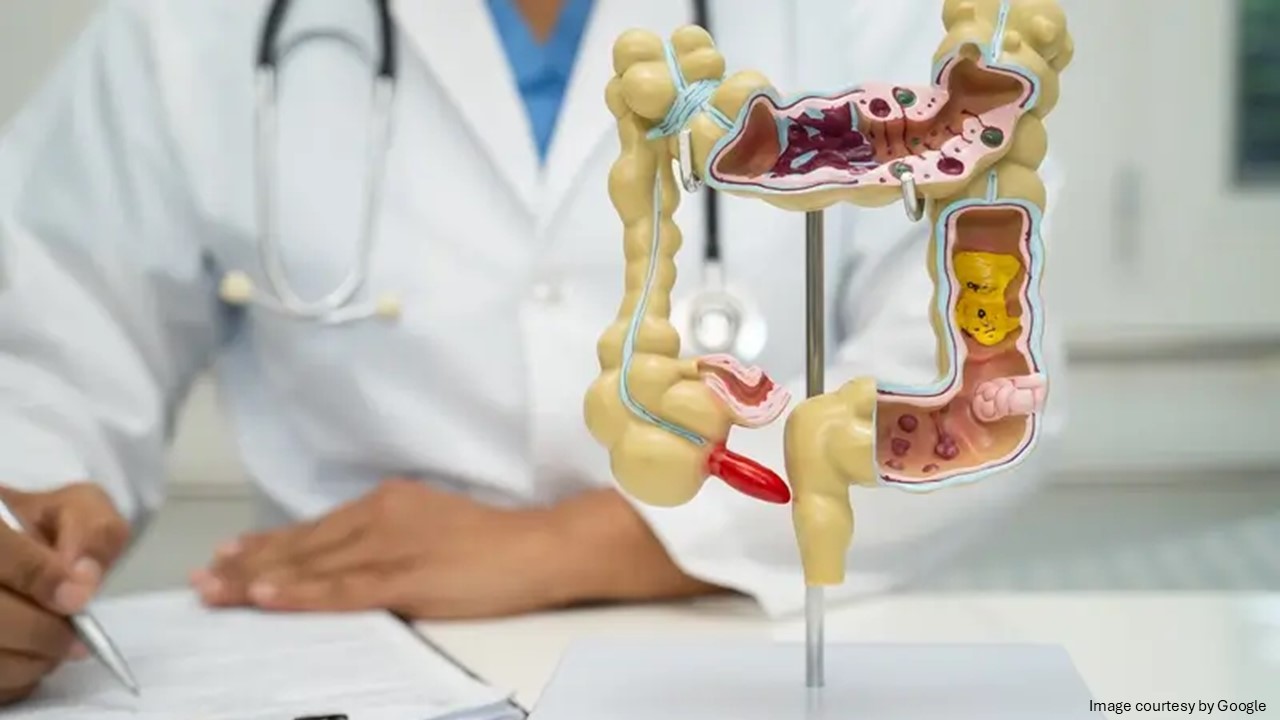
Symptoms of gastroenteritis often involve your intestines (cramps, diarrhoea), as well as your stomach (nausea, vomiting). The major symptoms include diarrhoea, nausea, vomiting, abdominal pain and cramping, loss of appetite, chills, fever, fatigue, and body aches. The symptoms of gastroenteritis come on suddenly. Gastrointestinal issues appear first. The affected individual may have diarrhoea, cramps, stomach pain, nausea, or vomiting numerous times in a short period. Over time, you may start to experience symptoms that affect the rest of yoru body. These symptoms may include chills, fever, and body aches.
Possible complications
In healthy young adults, viral gastroenteritis is usually a very unpleasant illness. However, dehydration is a potentially serious complication of the stomach flu. This is more likely to affect children and senior citizens. It can occur if your body loses excessive fluid because you continue to vomit or have diarrhoea. If you are having frequent diarrhoea or vomiting, you are losing a lot of fluids and electrolytes. If you are unable to replace these fluids quickly enough, you could experience dehydration and develop electrolyte imbalances. In case you are severely dehydrated, you may need to be injected with fluids. While the stomach flu rarely lasts longer than 1 to 3 days, it may last for around 1 to 2 weeks before you get yoru normal bowel habits back. Call your healthcare specialist straight away if no improvement is seen as expected over time, or if you have symptoms of dehydration or other complications, or if a cause other than a viral infection is suspected. If the stomach flu lasts a long time, it could start to damage yoru stomach and intestines (for example, you might develop ulcers that bleed). Symptoms of dehydration include:
-
-
- Blood in stool
- Feel as if I will faint/have fainted
- Confusion
- Lightheaded or dizzy when standing
- High fever
- Diarrhoea over 10 stools a day or persistent after three days
- Severe or localized abdominal pain
- Vomiting that won’t stop
- Not putting out urine
-
Toxins and chemicals can do more lasting damage to your body. Those with a weakened immune system and people who do not get access to clean water, nutrition, sanitation, and healthcare are more vulnerable to gastroenteritis. Children are not so developed countries, and senior citizens in long-term care facilities are at increased risk of complications related to gastroenteritis.
Risk factors for getting gastroenteritis
Anyone can get gastroenteritis, but you are more likely to get it more frequently if any of the following apply to you:
-
- Are older than 65 years or younger than 6 years of age
- Eat raw fish or meat
- Lives or works in a nursing home or childcare centre
- Have a chronic condition that weakens your immune system
- Travel abroad, especially in less developed areas
- Use certain medications or alcohol frequently.
Treatment for gastroenteritis usually includes preventing dehydration by replacing lost fluids and electrolytes using oral rehydration solutions. Other treatments for gastroenteritis include eating a healthy diet and avoiding dairy, caffeine, or fatty foods. Most cases resolve within a few days to a few weeks.
Conclusion
Gastroenteritis infection is common, but it doesn’t make it easy to go through. If you get it, take care, and you should know that the condition will most likely be over in a day or two. Sudden diarrhoea or vomiting can be alarming, but see those symptoms as your body already taking care of them. Gastroenteritis causes dehydration, so be aware of the symptoms. Keep drinking water and fluids if you suspect stomach flu. If your stomach flu symptoms do not go away, tell a healthcare professional to receive the best treatment for gastroenteritis.