

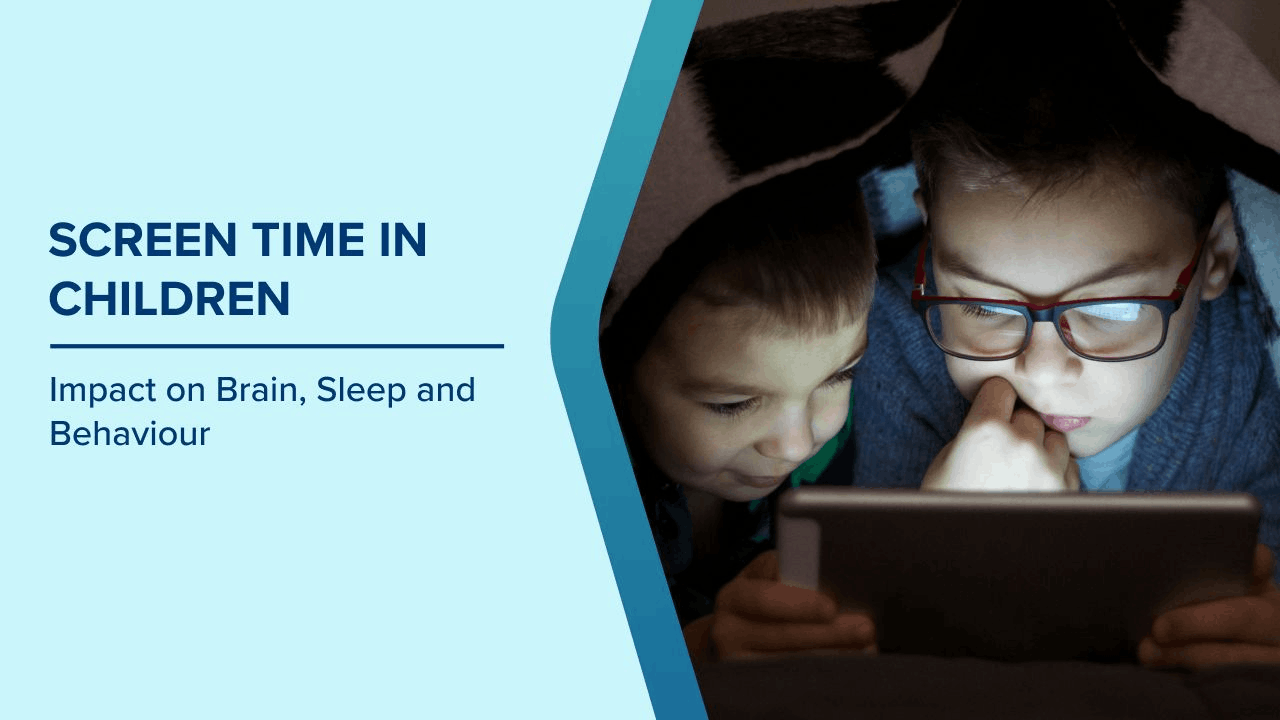
While modern technology has its own benefits, excessive screen exposure during childhood can quietly affect not only physical, but also emotional and cognitive development. Therefore, protecting their brains, bodies and social skills is essential. This article will provide insight into how limiting screen time in children can support their healthy development.
Introduction
The impact of screen time on children’s brains, sleep, and behaviour has become a growing concern in today’s digital world, where screens are deeply integrated into everyday life. From online learning and entertainment to social interaction, children are spending more time than ever on digital devices. While technology offers valuable opportunities for education and engagement, excessive or poorly managed screen time can have significant effects on children. Understanding how screen exposure influences a child’s brain, sleep patterns, and behaviour is essential.
How screen time affects children’s growth & development
One of the most important aspects to consider is the screen time effects on brain development. During childhood, the brain undergoes rapid growth, forming neural connections that influence learning, memory, and emotional regulation. Excessive screen exposure, particularly to fast-paced or highly stimulating content, can affect attention span and reduce the ability to sustain focus on tasks that require sustained focus. Children who frequently use screens may become accustomed to instant gratification, making it harder for them to engage in activities that require patience or deep thought. The relationship between screen time and child development highlights how prolonged digital use can influence cognitive processes, potentially affecting academic performance and problem-solving abilities.
How does screen time affect sleep quality?
In addition to cognitive development, screen time can significantly affect sleep quality. The effects of screen time on children are closely linked to sleep disturbances due to the blue light emitted by electronic devices. This light suppresses melatonin production, the hormone that regulates sleep cycles. As a result, children who use screens before bedtime may have difficulty falling asleep or experience interrupted sleep throughout the night. Poor sleep can lead to fatigue, irritability, and reduced concentration during the day. The screen time effects on brain are further intensified when sleep deprivation interferes with memory consolidation and emotional stability, creating a cycle that impacts both mental and physical health.
Screentime affecting behaviour
The impact of screen time on children is also evident in their behaviours. Studies have shown a strong connection between excessive screen use and screen time and behaviour problems, including increased aggression, impulsivity, and difficulty managing emotions. Children who consume inappropriate or overstimulating content may mimic negative behaviors or struggle with self-control. Additionally, excessive screen time often replaces activities such as outdoor play, social interaction, and creative exploration, which are essential for emotional development. Without these experiences, children may have difficulty developing empathy, communication skills, and resilience.

Screen time affecting social skills
Another critical dimension of the screen time and child development discussion is its influence on social skills. Face-to-face interaction plays a vital role in helping children understand emotions, build relationships, and develop effective communication. When screen time dominates a child’s routine, opportunities for real-world interaction decrease. This can lead to social withdrawal, reduced confidence, and difficulty interpreting social cues. The effects of screen time on children are particularly noticeable in younger age groups, where early experiences shape long-term behavioral patterns.
Also Read: What Is Eye Pressure? A Detailed Guide
Emotional impact: Screen overuse causes emotional and behavior effects
Emotional well-being is equally affected by prolonged screen exposure. Screen time effects on brain involve the brain’s reward system, where digital activities such as gaming or social media trigger dopamine release. This can create a sense of dependency, encouraging children to spend more time on screens to achieve the same level of satisfaction. Over time, this may lead to mood swings, anxiety, or even symptoms of depression. The impact of screen time on children becomes more concerning when screens serve as a primary source of comfort or distraction, thereby limiting the development of healthy coping mechanisms.
Physical impact: Reduced physical activity & motor skills
Physical health is another area affected by screen time in children. Extended periods of screen use are often associated with sedentary behaviours, which can contribute to weight gain, poor posture, and reduced physical fitness. Eye strain, headaches, and vision disruption are also common concerns associated with prolonged screen exposure. Screen time and child development require a balance of physical activity, sensory experiences, and environmental interaction, all of which are reduced when children spend excessive time on digital devices.
Despite these challenges, it is important to recognise that not all screen time is harmful. The impact of screen time on children largely depends on how it is used. Educational programs, interactive applications, and supervised digital content can support learning and creativity when used in moderation. The key is to establish healthy boundaries and ensure that screen time does not replace essential developmental activities. By effectively managing the screen time effects on brain, parents can help children benefit from technology without compromising their well-being.
Also Read: Screen Time for Your Child’s Eyes: Tips for Healthy Digital Habits
Management options
Addressing screen time and behaviour problems requires a balanced and proactive approach. Setting clear limits on daily screen use, creating screen-free zones, and encouraging regular breaks can help reduce the negative effects. Establishing consistent routines, especially around bedtime, is crucial for improving sleep quality. The effects of screen time on children can be minimised when families prioritise activities such as outdoor play, reading, hobbies, and social interaction. These experiences not only support physical health but also enhance emotional and cognitive development.
Parental involvement plays a vital role in managing screen time and supporting child development. Monitoring the content children consume, engaging in co-viewing, and discussing digital experiences can help children develop critical thinking and media awareness. By modelling responsible screen use, parents can set a positive example and encourage healthy habits. The impact of screen time on children can be significantly reduced when they are guided to use technology mindfully and in a balanced way.
Also Read: Protecting Your Child’s Eyes: Tips for Choosing Safe and Age-Appropriate Toys
Conclusion
The impact of screen time on children’s overall development is a multifaceted issue that requires careful attention in today’s digital era. The effects of screen time on children, including changes in brain function, disrupted sleep, and behavioural challenges, highlight the importance of moderation and supervision. By understanding the screen time effects on brain and promoting a balanced lifestyle, parents and caregivers can support healthy growth and development. Ultimately, the goal is not to eliminate screen use but to ensure it complements, rather than replaces, the essential experiences that help children thrive physically, emotionally, and socially.