

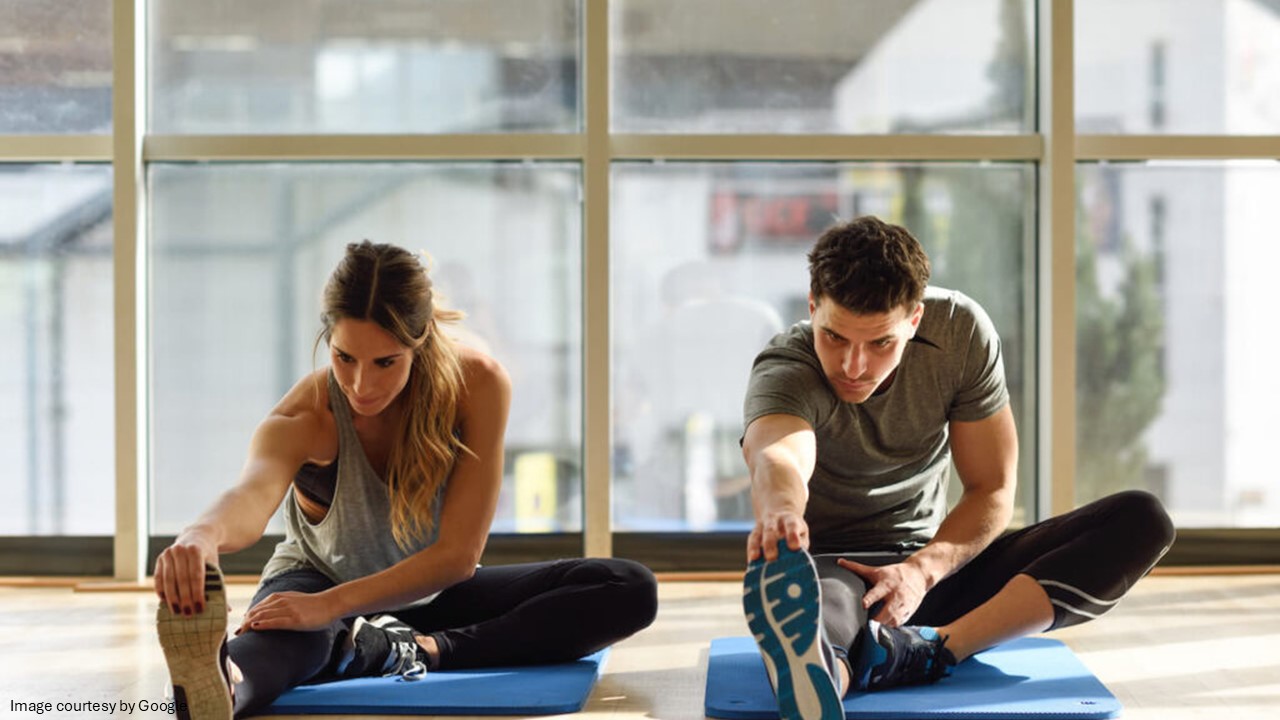
Stretching is a type of physical activity commonly used by athletes, older adults, rehabilitation patients, and anyone involved in a fitness program. The purpose of this article is to discuss stretching for pain relief and how it works. You will also explore the benefits of stretching, the techniques, and much more.
Stretching is generally performed before initiating an exercise session to improve performance and reduce the risk of injury. It is a safe and helpful activity for healthy people that can enhance neuromuscular condition, overall flexibility, balance, and postural awareness. Consistent movement of joints through full body stretches for pain relief, three to five days a week, can significantly reduce the risk of injury during daily activities and provide relief from chronic conditions such as back pain and osteoarthritis. Regular stretching can have a significant impact on your mind and body. When done appropriately and with focus, an extended stretching routine can be an excellent relaxation technique and stress reliever.
Importance of stretching for pain relief
Stretching keeps the muscles flexible and healthy, and the flexibility is required to maintain the range
of motion in the joints. This is an excellent way to relieve muscle tightness. If you want to maintain
overall body fitness, make sure to incorporate stretching into your routine. Upon waking, most of us
naturally reach our arms overhead and stretch from fingers to toes. Well, your body naturally craves a
stretch after long periods of sitting or inactivity. This instinct is your body’s way of expressing the need
for stretching.
Benefits of stretching
Stretching provides a wide range of health and fitness benefits. Do you know about these benefits of stretching? Here are the best stretching benefits discussed:
1. Stretching is all natural – While experiencing back pain, stretching your back may obviously help. But sometimes stretching your legs during physical therapy may also offer unexpected relief for your back. This is because your body parts are interconnected. In fact, the upper thighs, hamstrings, and hip muscles can all help relieve lower back pain. In the same way, improving your posture by stretching your torso can provide much-needed support for your spine, helping prevent compression and, in turn, neck and back stiffness. Moreover, stretching different parts of the body can offer you relief in places you may not even have considered.
2. Boosts circulation – By relaxing your body, stretching benefits your heart and musculoskeletal system. Stretching is essential for practically all aspects of your physical ability. When your muscles are stiff and tight, the amount of oxygen in your body decreases, depriving it of the nutrients it needs. Regular stretching may help reverse the process by enhancing blood flow to your joints and muscles throughout the entire body.
3. Enhances athletic performance naturally – The more flexible your muscles, joints, and ligaments are, the better your athletic performance will be. For example, bodybuilders can recover from repetitive workouts more rapidly when they stretch to cool down their muscles. Golfers can extend their reach by increasing the range of motion of their shoulders and hips. While stretching benefits swimmers by honing their balance and evening out their strokes. If you are an athlete, then stretching can make a huge difference in your performance.
4. Improves range of motion – Whether bending your knee freely while running or turning your head and back to see behind you when driving, range of motion is required for even simple daily activities. Range of motion comprises how well you can move your joints in all possible directions. In fact, this affects every movement you make. If you have certain conditions that restrict your movements, such as arthritis or an injury, your range of motion can be affected. Frequent stretching can help reduce stiffness, improve movement, and increase flexibility.
5. Helps prevent injuries – You should know that tensed or stiff muscles increase the risk of injury. This happens because the particular part of the body isn’t working properly, even though you might do your best. Stretching helps loosen stiff muscles, opens the joints to increase range of motion, and improves balance, which, in turn, reduces the risk of injury. Stretching can help you compensate for mistakes that can contribute to injury, such as twisting your back too far, losing your balance, or landing too hard on a single foot.
6. Great for stress relief – When you are stressed, your muscles are often tense. This is because muscles usually tend to tighten up in response to emotional or physical stress. It can be extremely beneficial for focusing on areas where you tend to hold stress, such as the neck, shoulders, upper back, and sometimes the jaw (TMJ), and rapidly helps calm these stressful areas. Participating in regular stretching sessions can also help calm your mind. Practising meditation exercises can offer your mind a much-needed mental break.
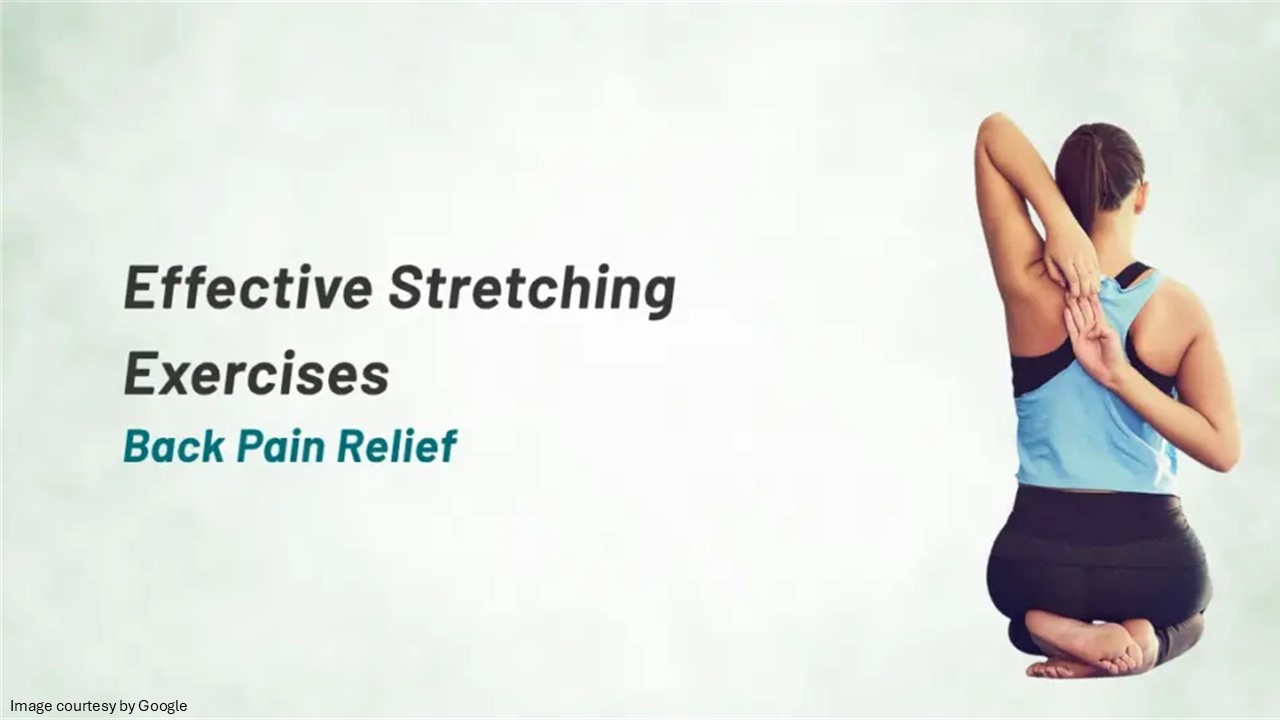
Stretching techniques
There are several types of stretching techniques, which include static, dynamic, ballistic, proprioceptive neuromuscular facilitation (PNF), passive, and active stretching. The most common stretching techniques are dynamic and static.
Dynamic – This stretch technique includes the active movements that cause muscle stretch, but the stretch is not held in the end position. This type of stretch should usually be performed before initiating an exercise regimen to prepare your muscles for more intense moves. You can try dynamic stretches before exercise to warm up your muscles.
Static- This stretch technique involves holding a stretch in a comfortable position for some time, usually between 10 and 30 seconds. Stretching types are extremely helpful when done after exercise. You can use static stretches after an exercise session to lower your risk of injury.
Take away!
If you are new to stretching, make sure you take it slow. Just as with other forms of physical activity, your body needs time to get used to the stretches you are performing. You also need a solid grasp of proper form and technique for performing full body stretches for pain relief. Otherwise, you might risk getting injured.