

Female infertility is a complex condition that requires a deep understanding before concluding. It not only affects a woman but also the whole family in either case.
Female infertility makes a woman unable to conceive after trying unprotected intercourse regularly for one year or more. Infertility is reported in roughly 10% of women in the USA aged between 15 to 49 years. Infertility is a deeply personal, often silent, emotionally draining and one of the most distressing phase of life that a couple face. This condition can strongly initiate a complex, bidirectional relationship with psychological distress in couples. Infertility stress can negatively impact fertility, while infertility itself triggers profound emotional turmoil, anxiety and depression in sufferers. Women experience chronic stress with anxiety and depression levels compared to those dealing with cancer or HIV. This emotional distress stems from hope and despair. This condition can cause a hormonal imbalance in women. The infertility condition in women also causes social stigma and a financial burden of the treatment.
How to deal with infertility?
With the medical advancements, it is now becoming easier to tackle infertility in women. In this article, we cover in brief the causes of infertility in women, the appropriate treatment for infertility in women, and the role of HCG vaccines in treating infertility in women.
What causes infertility in women?
There are four major and gross causes for infertility in women:
• Hormonal causes – Hormonal imbalance involving dysfunctional glands causes infertility in women.
• Physical problems with the ovaries – Physically damaged ovaries/ fallopian tubes are a major reason for infertility in women.
• Premature Menopause – This area is yet to be explained as to why there is a premature onset of menopause.
• Lifestyle-related causes – With late marriages and the family being planned even later, women are planning babies after the age of 35. Fertility declines significantly after the age of 35 years.
Fertility treatment options
Fertility treatments range from basic medications to advanced ART (assisted reproductive technologies) like IVF, aiming to help conception through ovulation induction, intrauterine insemination (IUI) for direct sperm placement, IVF (in vitro fertilization) for lab fertilization, intracytoplasmic sperm injection (ICSI) for severe male infertility, frozen embryo transfer (FET), and using donor eggs/sperm or gestational carriers (surrogacy) for complex cases, are popular methods to combat infertility. Holistic approaches like lifestyle modifications, hormonal therapies, acupuncture and the right nutrition.
Role of HCG in the treatment of infertility in women
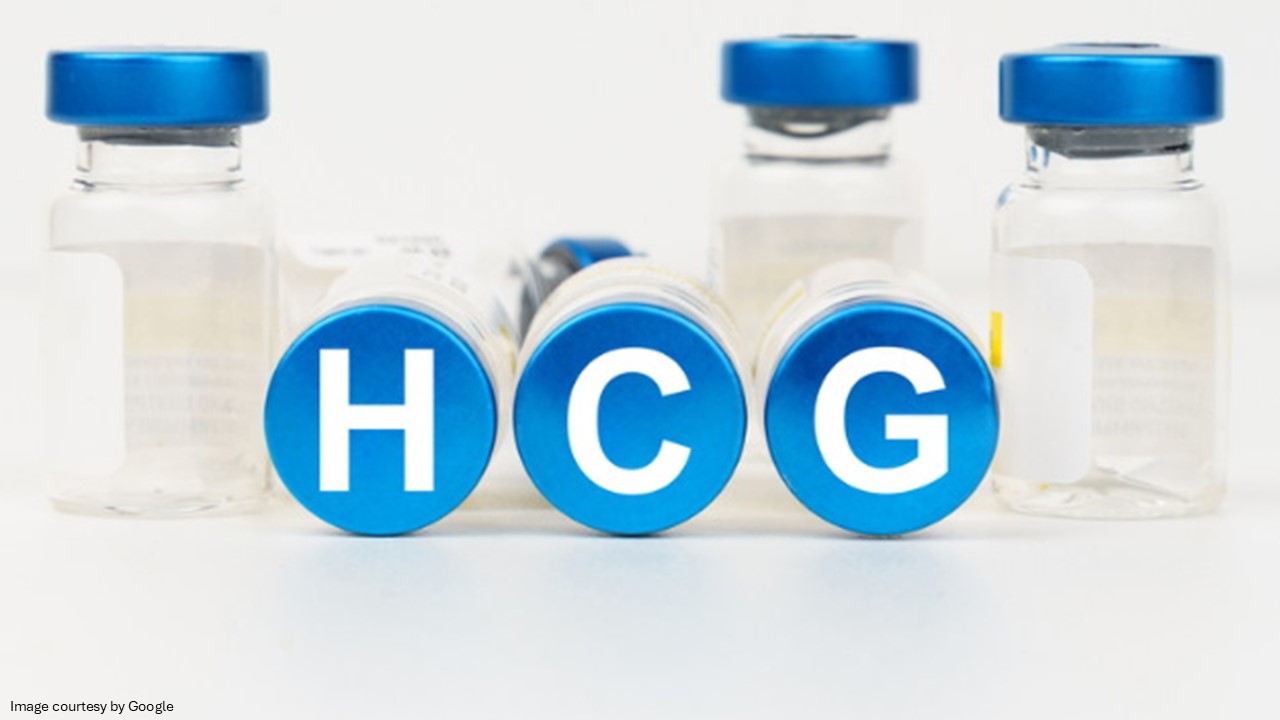
Human chorionic gonadotropin is a hormone that supports the normal development of an egg in a woman’s ovary and stimulates the release of the egg during ovulation. HCG is used to cause ovulation and to treat infertility in women, and to increase sperm count in men. HCG is given as an injection under the skin or into a muscle. Human chorionic gonadotropin (HCG) is a prescribed treatment that should be followed exactly as your doctor prescribes.
HCG treatment can help you become pregnant. It is an FDA-approved injectable medication for treating infertility in males and females. Doctors prescribe an HCG injection for pregnancy after examining you thoroughly.
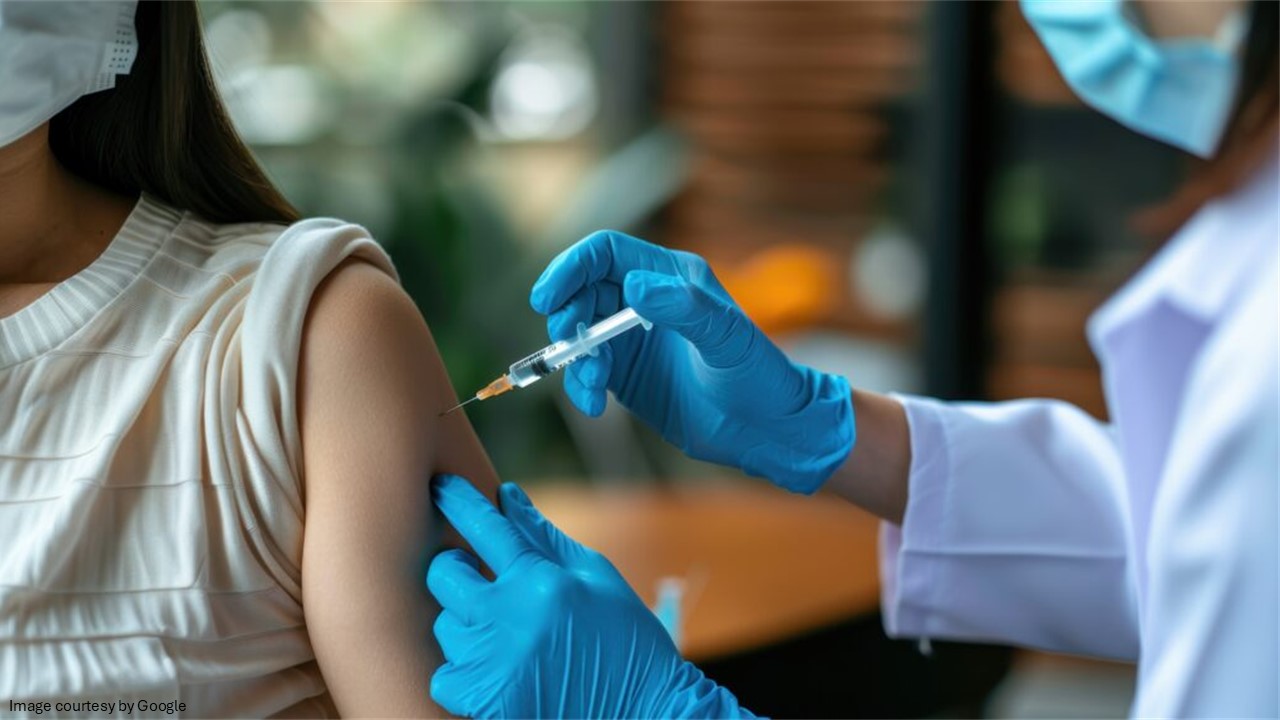
How to use HCG vaccine – If you use HCG injection at home, your doctor, nurse, or pharmacist will give you specific instructions on how and where to inject this medicine. Do not self-inject HCG if you do not fully understand how to give the injection and properly dispose of used needles and syringes. HCG medication can increase your chances of having a multiple pregnancy (twins, triplets, quadruplets, etc).
Using this medication can cause birth defects in the baby if you are already pregnant. Do not use HCG if you are pregnant. Tell your doctor right away if you become pregnant during treatment.
Precautions before using HCG vaccines:
You should not use this medication if you have ever had an allergic reaction to HCG, or if you have:
• early puberty (also called precocious puberty)
• a hormone-related cancer (such as prostate cancer)
• a thyroid or adrenal gland disorder
• an ovarian cyst
• premature puberty
• cancer or a tumor of the breast, ovary, uterus, prostate, hypothalamus, or pituitary gland
• heart disease
• kidney disease
• epilepsy
• migraines
• asthma
• undiagnosed uterine (uterus) bleeding.
Side effects of HCG vaccines
Like any other medicine, HCG can also cause certain side effects when used for female infertility treatment. Commonly reported side effects include headache, restlessness, tiredness, or pain at the injection site. If any of these effects persist or worsen, tell your doctor or pharmacist promptly. Remember that your doctor has prescribed this medication because he or she has judged that the benefit to you is greater than the risk of side effects. Many people using this medication do not have serious side effects
For women, this medication is used with menotropins to treat infertility. Tell your doctor immediately if a serious side effect occurs, such as abdominal pain/pressure/swelling; however, this is unlikely.
A very serious allergic reaction to this drug is rare. However, seek immediate medical attention if you notice any symptoms of a serious allergic reaction, including: rash, itching/swelling (especially of the face/tongue/throat), severe dizziness, trouble breathing, shortness of breath, chest pain, slurred speech, weakness on one side of the body, or confusion.
Report to your doctor if you notice any signs of a blood clot: pain, warmth, redness, numbness, or tingling in your arm or leg; confusion, extreme dizziness, or severe headache. This is not a complete list of possible side effects. If you notice other effects not listed above, speak to your doctor.
HCG has known to be very effective for treating infertility in women. Make sure you deal with a reliable pharmacist to obtain HCG drugs for female infertility treatment.