
If you have undergone breast cancer treatment, exercise and physical activity can benefit you in numerous ways. The purpose of this article is to address the benefits of exercise after breast cancer treatment and to guide you on the best exercises after breast cancer.
Introduction
With more than 2.8 million breast cancer survivors in the United States, physical and emotional factors pertaining to improving survivorship after cancer treatments are a growing problem. One such factor to consider is exercise participation, which has been described as a modifiable risk factor for both primary and recurrent cancers. According to epidemiological evidence, the lifetime participation in physical activity may lower the risk of breast cancer. Exercise after breast cancer treatment helps improve cardiopulmonary function. Muscular strength, physiological events, and endurance in breast cancer survivors. These health benefits are of particular importance since female diagnosed with breast cancer are estimated to have a decline in their physical activity levels by about 11% after breast cancer diagnosis. Greater reduction in the levels is noticed in breast cancer survivors who are treated with chemotherapy and radiation, which are 50% and 24% respectively, when compared to people who have not undergone these cancer treatments.
Reductions in cardiopulmonary fitness and muscular strength, negative changes in body composition (decrease in lean body mass, increases in body mass and fat mass), increased depression, anxiety or fatigue are the common side effects of cancer treatments that negatively affect the overall quality of life of a patient. Moreover, these side effects may increase the risk of developing secondary cancers and reduce the survival rate.
Physical activity and recovery after breast cancer
Physical activity plays an important role in the recovery of women after breast cancer, supporting both physical healing and emotional well-being. After treatment, whether surgery, chemotherapy, or radiation, the body often feels fatigued, weak, and less flexible. Incorporating regular movement into daily life can gradually restore strength, improve energy levels, and enhance overall quality of life. Engaging in gentle exercises such as walking, stretching, and light yoga can be an effective starting point. These low-impact physical activities after breast cancer help improve blood circulation, reduce stiffness, and promote better mobility, especially in the shoulders and chest area affected by treatment. Over time, survivors can include strength training with light weights or resistance bands to rebuild muscle mass and bone density, which may be compromised during therapy.
Breast cancer exercise improves mental well-being
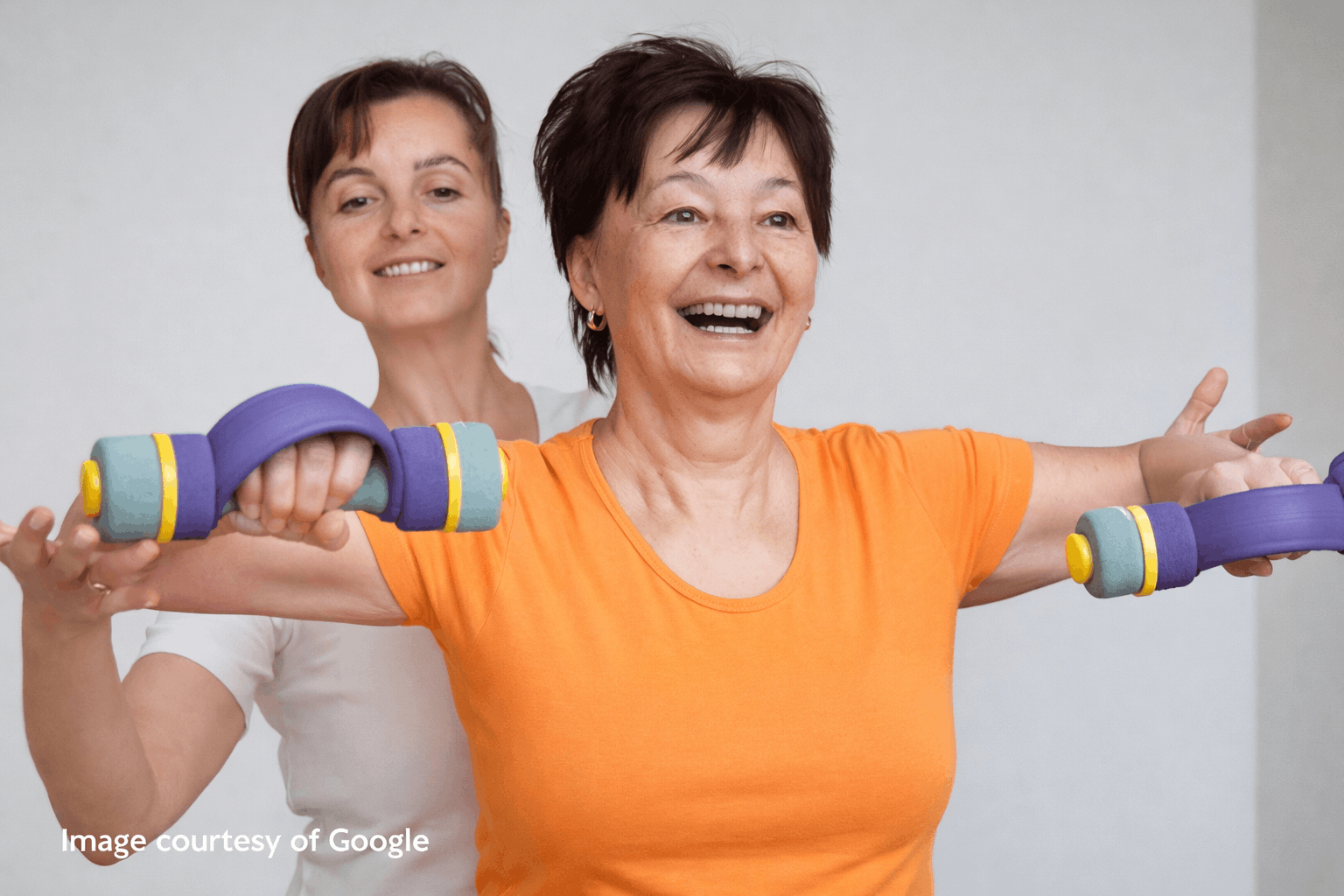
Physical activity is also associated with mental health recovery. Regular movement releases endorphins, which help reduce stress, anxiety, and symptoms of depression commonly experienced after cancer treatment. It can also improve sleep patterns and boost confidence as individuals regain control over their bodies. Importantly, exercise may reduce the risk of cancer recurrence and improve long-term survival rates. Research shows that maintaining a healthy weight and staying active can positively influence hormone levels and immune function, both of which are crucial for recovery. However, it is essential to approach physical activity with care. The journey of every breast cancer survivor is unique, and factors such as the type of treatment, current fitness level, and presence of conditions like lymphedema should be considered. Consulting a healthcare provider or a certified physiotherapist can help create a safe and personalised breast cancer recovery exercise plan. Incorporating physical activity into daily life doesn’t require intense workouts. Simple, consistent movements can lead to meaningful progress, helping breast cancer survivors regain strength, confidence, and a sense of normalcy.
Also Read – Breast Cancer Diet: Foods to Eat, Avoid, and Healthy Tips
Best exercises after breast cancer
A carefully planned and individualised exercise regimen helps restore strength, improve flexibility, and enhance overall quality of life.
- One of the most important aspects of post-treatment exercise is starting gradually. Gentle movements such as stretching, deep breathing, and slow walking can help rebuild stamina without overwhelming the body. Over time, survivors can progress to moderate activities like brisk walking, swimming, or cycling, which support cardiovascular health and reduce cancer-related fatigue.
- Strength training is equally essential. Light resistance exercises using bands or small weights can help rebuild muscle mass lost during treatment. These exercises also improve bone density, which may be affected by certain therapies. Special attention should be given to the upper body, as surgery and radiation can lead to stiffness and limited range of motion. Controlled arm and shoulder exercises can restore mobility and reduce discomfort.
- Flexibility and mind-body exercises such as yoga and Pilates are highly beneficial for breast cancer survivors. These practices not only improve balance and posture but also reduce stress, anxiety, and depression. Deep breathing techniques used in these exercises promote relaxation and help manage emotional challenges that often follow cancer treatment.
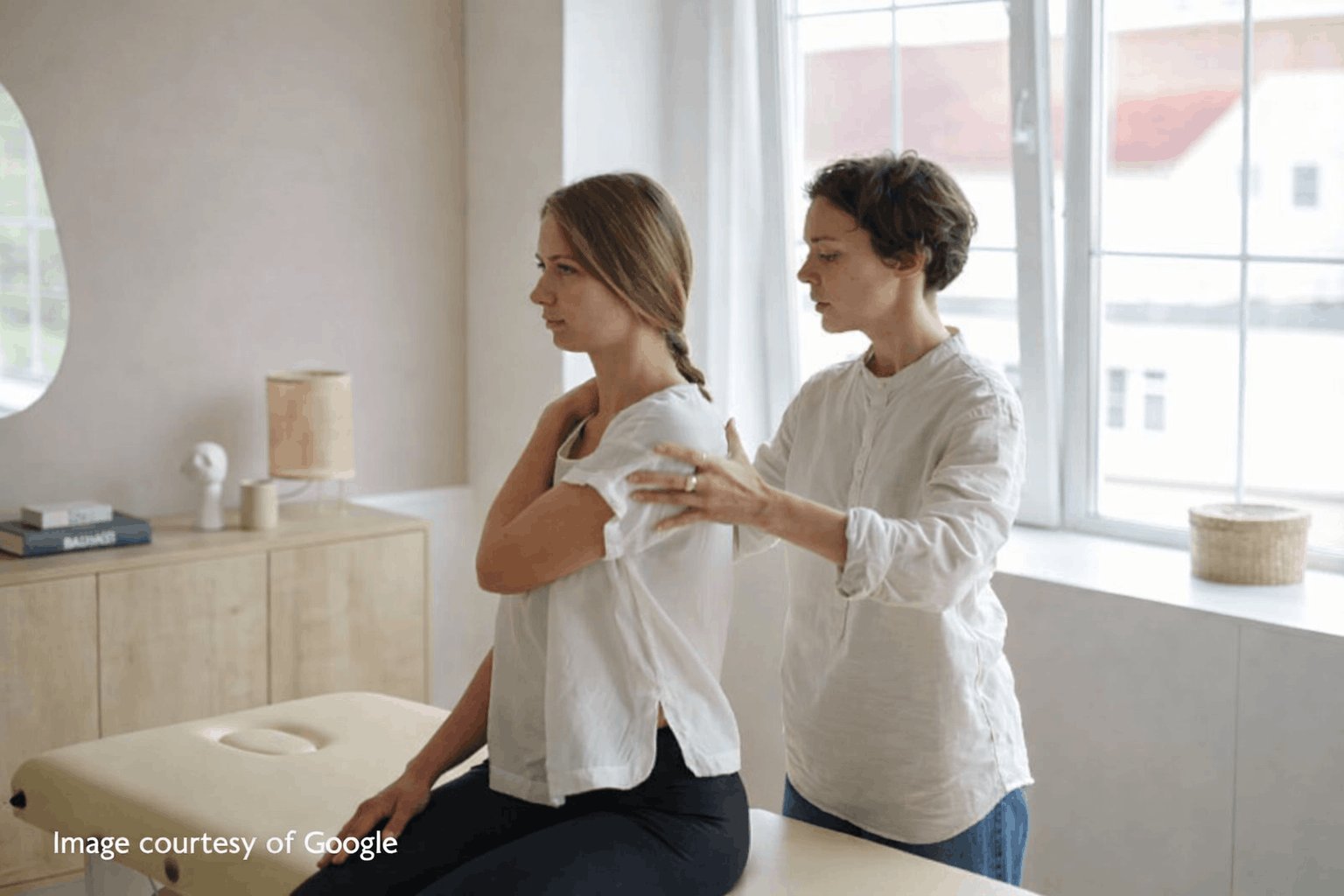
- Moreover, safe exercises after a mastectomy focus on gentle movement and gradual recovery. Start with deep breathing, shoulder rolls, and light arm lifts to restore mobility without strain. As healing progresses, stretching and range-of-motion exercises help reduce stiffness and prevent tightness in the chest and shoulders. Low-impact activities like walking or guided yoga can improve circulation and energy levels. It’s important to avoid heavy lifting or intense workouts until cleared by a healthcare professional. Listening to your body and progressing slowly ensures safe healing, reduces the risk of complications, and supports a smoother return to everyday physical activity.
Also Read: 12 Risk Factors For Breast Cancer You Should Know.
Importance of professional guidance
Survivors must listen to their bodies and avoid overexertion. Consulting a healthcare provider or a certified fitness professional with experience in cancer rehabilitation ensures that the exercise plan is safe and tailored to individual needs. Conditions such as lymphedema require special precautions, and exercises should be adjusted accordingly. Consistency is more important than intensity. Even short, regular sessions can yield significant benefits over time. Setting realistic goals and celebrating small milestones can help maintain motivation and build confidence. Working with professionals can make a significant difference in recovery. They design personalised programs to improve mobility and reduce pain. Trainers experienced in cancer recovery can guide safe workouts. Community programs provide motivation and emotional support.
Conclusion!
Exercise after breast cancer surgery can be extremely beneficial, aiding recovery, improving physical strength, and enhancing emotional resilience. With a personalised, gradual approach, it becomes an essential part of a healthy, fulfilling post-cancer life.