
A hair transplant is a technique that moves hair to an area with thin or no hair. Having a hair transplant is a huge decision. Therefore, find out as much as you can so you know what to expect. This article is designed to strengthen your understanding of the hair transplant procedure, expected results, and recovery.
Hair loss is a common condition affecting millions of people worldwide. No matter what causes hair loss, whether it’s hormonal changes, medical conditions, genetics, or lifestyle factors, baldness can have a severe impact on one’s confidence and self-esteem. A variety of treatment options are available today, among them, hair transplant has emerged as the most effective and permanent solution for those seeking natural hair growth.
About hair transplant?
What is a hair transplant? Hair transplantation is the standard surgical treatment for androgenic alopecia, replacing older techniques such as scalp reductions. Hair transplant procedures have gained popularity in recent years as a treatment for male-pattern hair loss. Medical treatments with medications such as finasteride, minoxidil, and dutasteride play a crucial role in treating hair loss, alongside surgical treatments. Earlier, androgenic alopecia was treated with techniques such as plug grafts, transposition flaps, and scalp reductions.
How do hair transplants work?
Currently, hair transplantation is the standard approach, which involves harvesting follicular units from the patient’s occipital scalp (the back of the head and base of the skull, an important region for nerves and blood vessels that supply the posterior head). This technique offers a more natural and fuller appearance. Androgenic alopecia, also called male-pattern and female-pattern hair loss, is the most common indication for the method. The method is still evolving, and there is much variation in the methods being used by different surgeons. Evidence from clinical research is not available for all methods used; an attempt is made here to review the standard protocols with the available evidence. The procedure for hair transplant depends on the surgeon’s skill and the needs of individual patients.
Who can undergo a hair transplant?
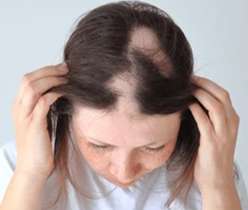
Ideal candidates should have stable, well-defined patterns of hair loss, characterised by at least 50% thinning or balding in 1 or more areas. The scalp must be healthy, with donor hair of good quality and quantity, and realistic expectations regarding coverage and outcomes. A hair transplant is meant for those with permanent baldness associated with the type of hair loss that runs in families. A hair transplant can’t be used in patients with other forms of hair loss, such as alopecia areata, which causes bald patches.
What does a hair transplant involve?
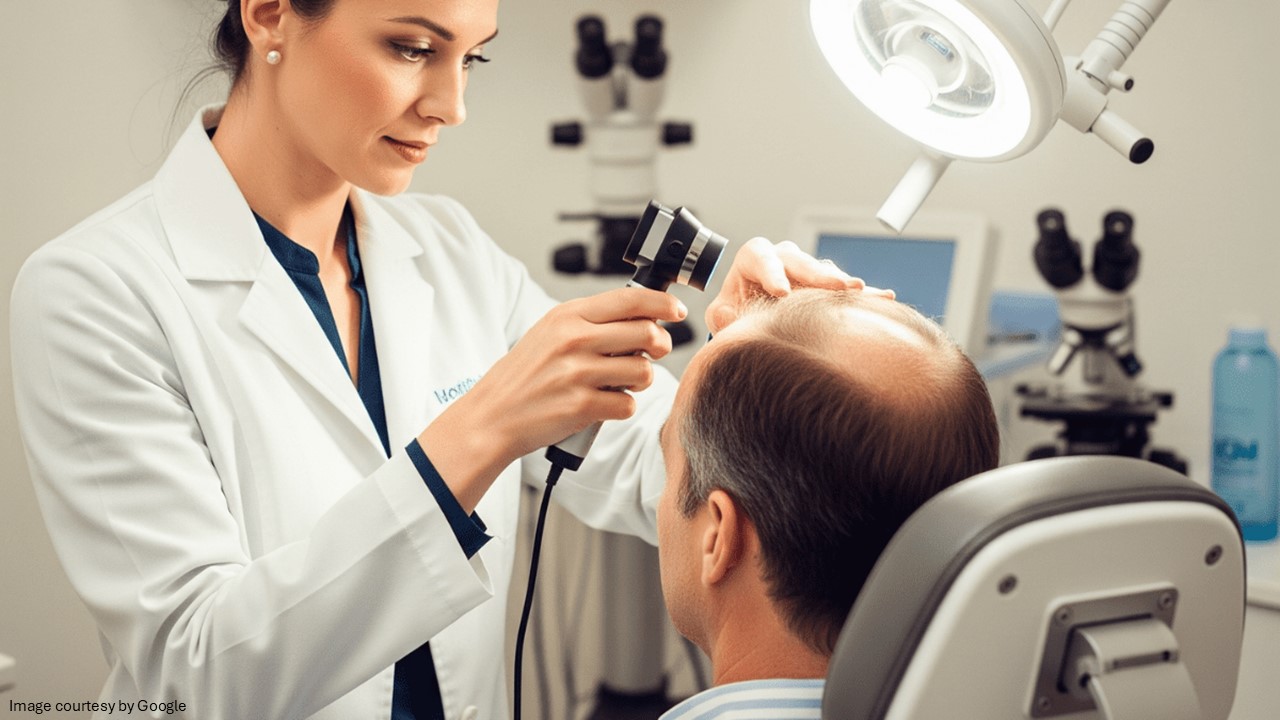
A hair transplant procedure is usually done under local anaesthetic and sedation, which means you will be conscious throughout the procedure without feeling any pain. The procedure takes the entire day, but you should not have to stay overnight. The treatment is usually based on the condition being treated. If a large area needs to be covered, you may need two additional sessions on different days to achieve the desired growth. Hair transplants are of two types: follicular unit transplantation and follicular unit extraction.
Follicular unit transplantation (FUT, or strip method)
During FUT, a thin strip of hair-bearing skin is removed from the back of the head and divided into pieces, each containing 1 to 4 hairs. A tiny cut is made into the scalp where these grafts are placed. The healthy scalp area from which the hairs are taken is closed with stitches. A scar will be left behind your head, but it should not be visible unless you have extremely short hair. The head doesn’t need to be shaved; only the small area where the skin is taken requires trimming.
Follicular unit extraction (FUE)
Follicular unit extraction (FUE) requires shaving of the back of the head. Hairs are removed one by one (grafts). A tiny cut is made in the scalp where the grafts are placed. The hair transplant procedure left behind lots of tiny scars, but they will be hardly visible.
What about Recovery with Hair Transplant
Post hair transplant care: Your surgeon may advise you to take care for your grafts. You will be provided with a spray for post hair transplant care that supports hair growth and recovery. It is generally used 1 to 2 weeks after a hair transplant, so take a break from work. It is important to exercise caution with your transplanted hair for the initial two weeks after undergoing hair transplant surgery. Your surgeon may advise you to avoid exercise for the initial month to reduce scarring.
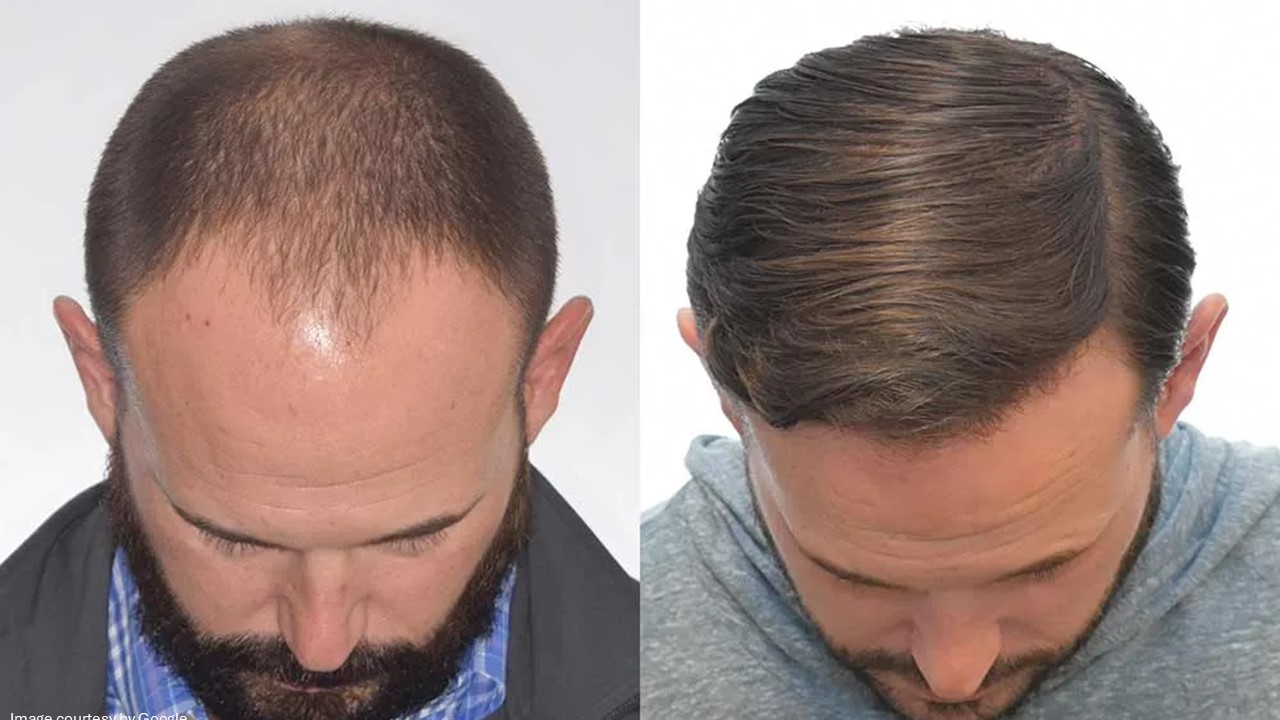
After 2 to 5 days, bandages can be removed, but you are not advised to touch the grafts. On day 6, you will be able to wash your hair gently by hand. After 10 to 14 days, your healthcare provider will remove the non-dissolvable stitches. After a few weeks, do not panic: your transplanted hair will often fall out and later begin to grow back. After a period of four months since you had your hair transplant, new hair will usually begin to appear. The full desired results will be seen after 10 to 18 months.
How much do hair transplants cost?
Well, the cost varies depending on the number of grafts required, the method used, the location, and the surgeon’s skill. The price of a hair transplant procedure is often calculated per graft, with final costs depending on the clinic’s luxury and overall reputation.
What are the possible side effects you expect?
Side effects are common with any medical procedure. You may have:
• An achy, tight, or swollen scalp for a few dahaiys.
• Temporary scabbing at the site of the transplant.
• A single scar or a number of very tiny scars left behind.
What are the risks?
Hair transplant procedures are generally considered safe. But, as with any medical surgery, there’s always a small risk of infection, bleeding, or an allergic reaction to the anaesthetic. However, it is best to consult your surgeon, who can treat these problems quickly. Also, in some cases, a transplant will not take place, and hair falls out, leaving behind a noticeable scar. For more information, you should consult your surgeon, who can explain these problems and how they would be treated. Your hair might remain thin after the transplant. Your surgeon will design the transplant to ensure the hair appears natural over time.
Takeaway
Cosmetic surgery can sometimes go wrong, and you may not get the desired results. In such cases, you should contact the clinic where you have undergone a hair transplant as soon as possible in case you develop severe pain or any unexpected symptoms. Moreover, if you are unhappy with the results or think the procedure was not performed properly, talk to your surgeon. Patients who want to correct frontal baldness often achieve the most dramatic lasting results.