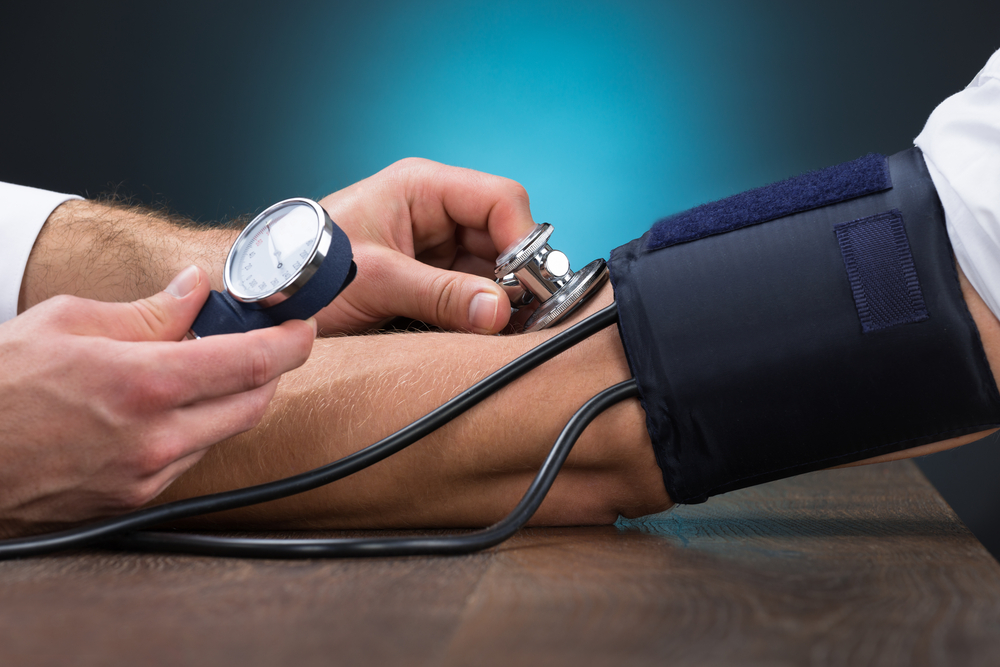

Some conditions quietly damage the body without obvious symptoms. High blood pressure and cholesterol are two such conditions that can harm blood vessels, strain the heart and increase the risk of serious diseases that are often ignored until routine check-ups reveal them. However, high cholesterol and blood pressure can be managed and sometimes prevented through healthy lifestyle choices and timely medical care. Let’s find out the relationship between the two conditions and ways to prevent them.
High cholesterol is associated with many other medical problems. This link could contribute to some serious problems, like coronary artery disease. But it can also occur due to other diseases, such as lupus, which can trigger inflammation in your body. People dealing with high cholesterol often develop high blood pressure as well.
High cholesterol levels may gradually block your arteries, affecting blood circulation. This increases the risk of developing hypertension (high blood pressure), heart attack, and stroke if left untreated.
According to research studies, when people have more than one risk factor, like high blood pressure and cholesterol, these factors together make the risk of heart disease excessively high. Even if cholesterol and blood pressure levels are only mildly elevated, both conditions, when present in the body, can interact, leading to damage to the heart and blood vessels. If not treated, they eventually progress and ultimately lead to heart attack and stroke, as well as other problems like kidney impairment and loss of vision.
About high cholesterol
High cholesterol means the level of cholesterol in your bloodstream is higher than normal. Cholesterol is a type of fatty substance that is required to produce vitamin D, certain hormones, and build healthy cells. Some amount is produced in the body, and some you receive from the foods you eat. An excessive amount in your bloodstream may ultimately lead to an increased risk of developing heart problems, such as a heart attack and stroke. Due to high cholesterol, excess fat, and other substances, substances will attach to the arterial wall. Over time, fatty substances accumulate, eventually harden, and form plaque that ultimately damages the arteries. Because the arteries become narrow, disrupting the blood flow. Moreover, narrowing of the arteries increases the risk of a blood clot that will completely block blood flow, contributing to a severe cardiovascular event.
Healthy total cholesterol levels are less than 200 milligrams per deciliter (mg/dL). Borderline high cholesterol is 200 to 239 mg/dL, and high cholesterol is 240mg/dL and above.
When it comes to the causes of high cholesterol, numerous factors may be responsible, including weight, diet, and physical activity, which can affect cholesterol levels. Moreover, genes, age, and gender may equally be involved.
How can excessive cholesterol levels contribute to high blood pressure?
If a test determines a high cholesterol level in your blood, you may already be receiving medicinal treatment to control it, and you may be advised to make lifestyle changes that help to lower cholesterol levels naturally. Also, keep a close eye on your blood pressure levels. Those with high blood cholesterol often end up dealing with high blood pressure as well, according to the American Heart Association. High blood pressure, also known as hypertension, develops when the force of your blood is consistently too high, pushing against the walls of your blood vessels. If you have been diagnosed with high blood pressure, your arteries are stiff and narrowed, and, because of cholesterol buildup, your heart’s workload increases, making it harder for your heart to pump blood through them.
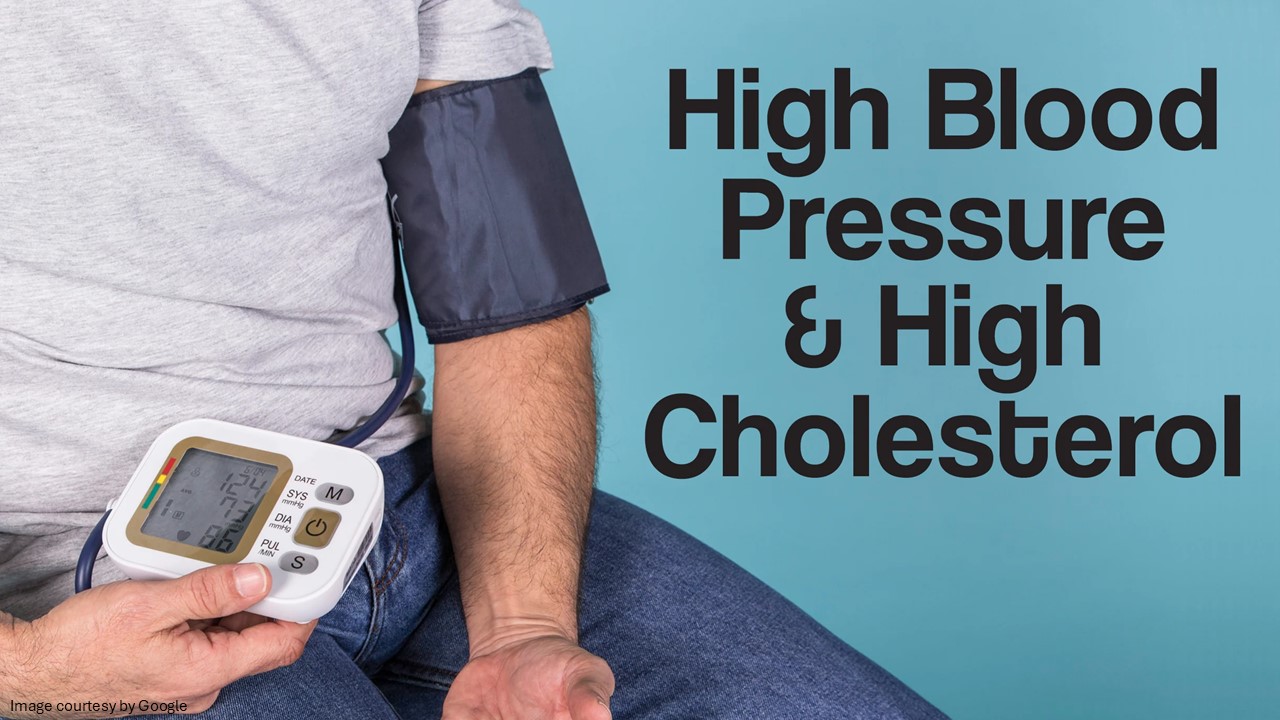
High blood pressure and cholesterol together
Over time, this high pressure damages the arteries and surrounding blood vessels. They are not made to manage constant high pressure. As a result, they began to suffer from tears and other types of damage. High cholesterol buildup occurs in those tears, which means that damage from high blood pressure within the arteries and blood vessels can contribute to further plaque buildup, leading to arterial narrowing due to excessive cholesterol in the bloodstream. This, in turn, makes your heart work even harder to pump blood that carries enough oxygen and nutrients out to all the body’s organs, putting excess strain on your heart muscle. So, the two conditions work together to worsen your heart and overall health. Over time, hypertension and high cholesterol can also contribute to problems in your brain, eyes, kidneys and other organs. According to studies that measured blood pressure, cholesterol levels, and diet over 24 hours, cholesterol was directly associated with blood pressure across all participants. Other research studies also demonstrated that high blood pressure may actually predict high blood pressure.
Can you have high cholesterol and normal blood pressure? Well, yes, you can have high cholesterol with normal blood pressure. Both are separate health issues but often connected, as excessive cholesterol in the blood can cause stiffened arteries, eventually contributing to high blood pressure, and both conditions increase the risk of cardiovascular disease, even if your blood pressure is currently under control. A lot of people are dealing with increased cholesterol levels without symptoms. However, research suggests that this still increases lifetime risk of heart problems, and high levels of cholesterol can make you more likely to develop high blood pressure in later years of life.
Measures to control risk factors
Fortunately, high cholesterol and high blood pressure, both risk factors, can easily be managed. Medication helps keep both conditions under control. But the most important thing is to communicate with your healthcare specialist and to keep a close eye on your levels. Adopting lifestyle changes can naturally improve your heart and blood vessels and help prevent damaging effects. Follow these tips:
• Don’t smoke or quit smoking.
• Exercise regularly for at least 30 minutes a day and perform resistance training 2 times a week.
• Eat a diet to lower cholesterol and blood pressure. A healthy diet that includes lots of fruits, vegetables, grains, lean proteins and healthy fats like those found in nuts and fish.
• Do not include foods with excess cholesterol. Avoid eating fatty foods, excess sugar and excess sodium.
High cholesterol and high blood pressure are considered silent threats that can contribute to serious damage if not treated. Healthy lifestyle choices, such as regular exercise and a healthy diet to lower cholesterol and blood pressure, along with timely medical care, can help protect your heart and support a longer, healthier life.