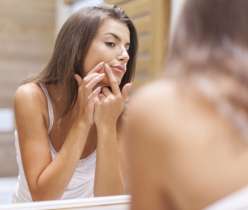

Though not common, they are as annoying as breakouts on the face, chest, or back. If you are dealing with scalp acne, then you have turned to the right page. This article explains everything from the causes of scalp acne to effective treatments.
Introduction
Scalp acne means having breakouts on your scalp or hairline. Pimples on the scalp occur due to clogging of pores or hair follicles. These breakouts can be itchy and painful. While acne is common on your face, chest, and back, pimples on the scalp aren’t that common. Acne affects about 80% of people aged 11 to 30. Scalp acne is not limited to a particular population and is common among adults.
Who is at risk of developing scalp acne?
You might be more likely to get pimples on your scalp if:
- You use haircare items formulated with oil.
- You frequently wear hats, headgear, or helmets.
- You are exposed to greasy products throughout the day, for example, from a kitchen fryer.
What are the symptoms of scalp acne?
Most people with scalp acne develop the following:
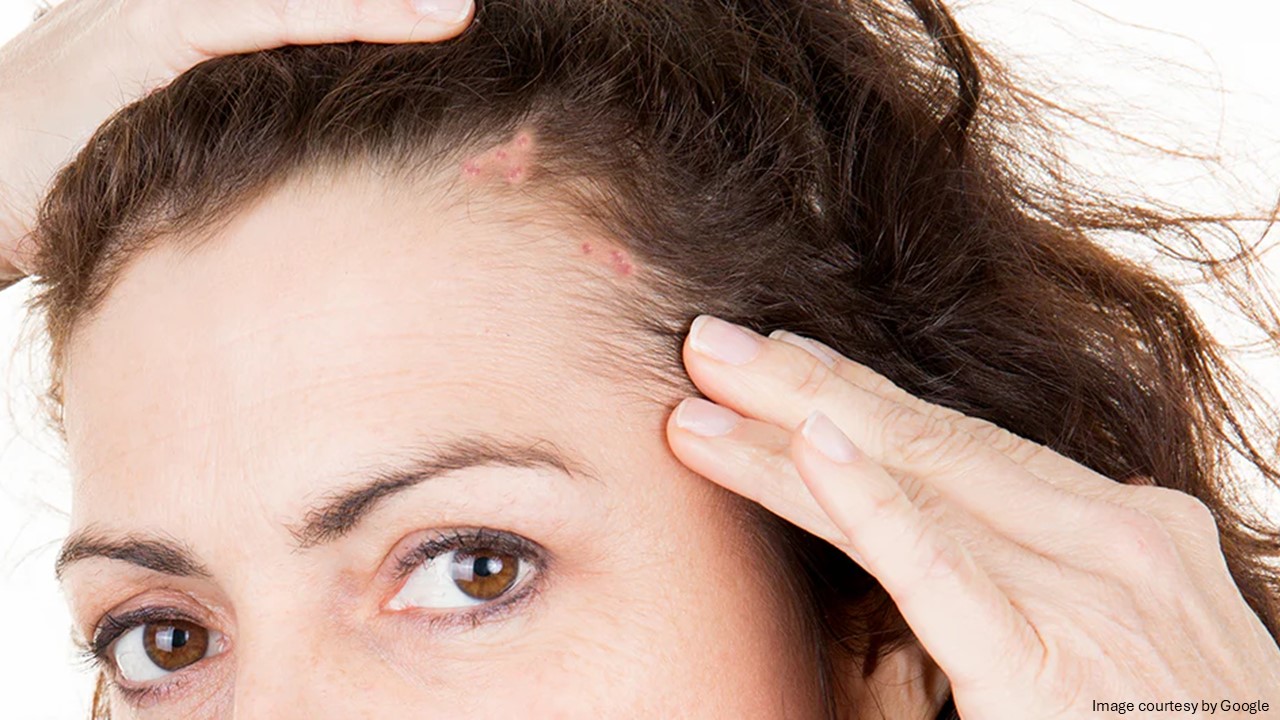
- Development of pimples on your scalp or hairline
- Whiteheads that appear as pus-filled bumps with a white top
- Acne papules that are inflamed or swollen bumps
- Acne cysts that are defined as pus-filled cysts deep within your skin
- Itchiness, soreness or pain.
- Pimples develop in a small group or cluster
- You may develop mild, moderate, or severe symptoms. In cases of severe scalp acne, you may experience hair loss or scabbing around the pimples.
What causes scalp acne?
Clogged hair follicles contribute to scalp acne. Your hair grows through the hair follicles from your skin. Clogging of these hair follicles occurs due to:
- Accumulation of hair products such as shampoo, hairspray or hair gel.
- Sweat, oil, or dead skin cells
- Fungus or microorganisms like yeast, mites, or bacteria
- Presence of too much or too little sebum, an oily substance that acts as a safeguard for the surface of your skin.
Other possible causes of scalp acne include fluctuating hormone levels, stress, a genetic trait, a reaction to certain medications, and friction from helmets, hats, or headbands. Moreover, scalp acne may be a symptom of underlying conditions, including scalp folliculitis, pilar cysts, and squamous cell carcinoma. Your healthcare specialist will help you determine the underlying cause of scalp acne to provide appropriate treatment.
Also Read: Do You Really Need to See a Dermatologist for Acne?
How to diagnose scalp acne?
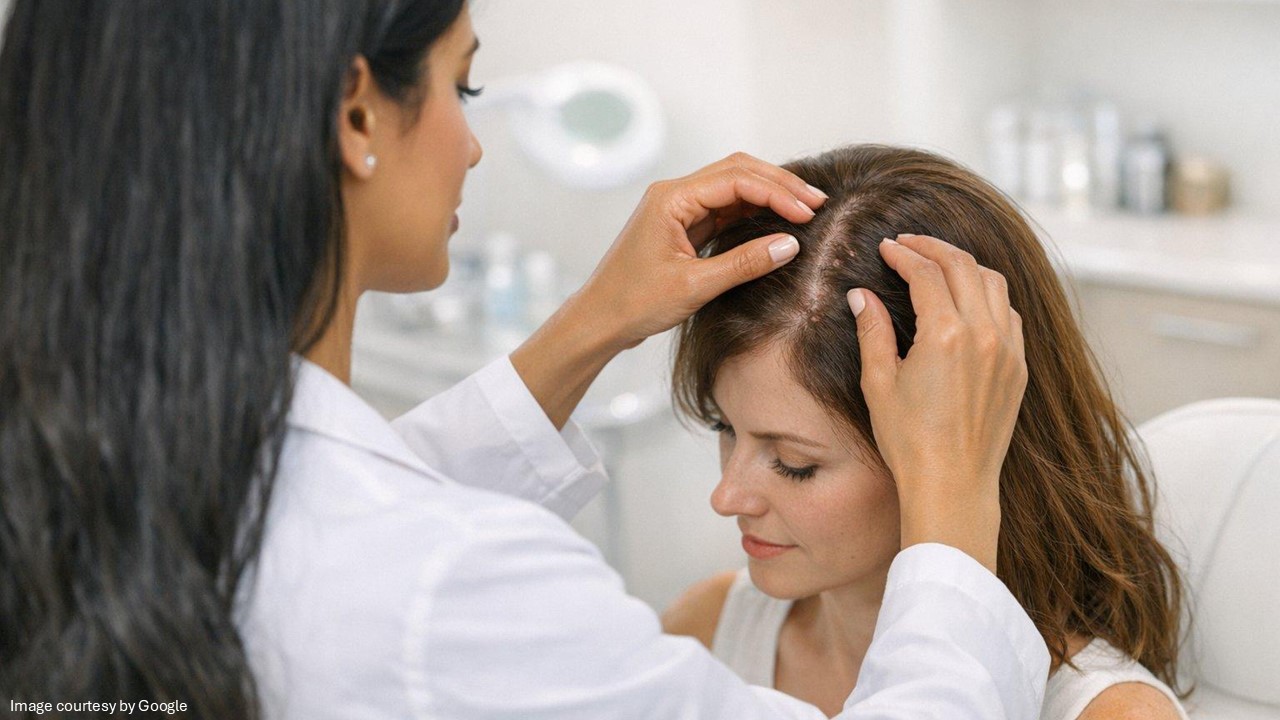
A healthcare specialist will help diagnose scalp acne after a physical exam to assess your symptoms. They may ask some related questions to learn more about your medical history and risk factors, such as whether anyone in your family has previously had acne (family history), discuss stress levels and whether you are a menstruating woman. You may also be asked about skincare products you use. If you develop sudden acne, your healthcare professional might conduct additional blood tests to identify any underlying condition that could contribute to it.
How to manage pimples on the scalp?
Often mistaken for dandruff or minor scalp irritation, scalp pimples can worsen if left untreated. Understanding the best scalp acne treatments and prevention tips is essential for maintaining a clean, healthy scalp and preventing recurring breakouts. Treating scalp acne effectively requires a targeted approach. Below are the most proven solutions:
- Medicated shampoos for scalp acne: Using the right shampoo is the first step. Look for ingredients such as salicylic acid (exfoliates and unclogs pores), benzoyl peroxide (kills acne-causing bacteria), ketoconazole (treats fungal infections), and tea tree oil (natural antibacterial agent). Use these shampoos regularly and leave them on the scalp for 2–5 minutes before rinsing.
- Topical treatments: Topical solutions like gels, creams, or tonics help reduce inflammation and clear breakouts. These include salicylic acid-based treatments, benzoyl peroxide spot treatments, and sulfur-based formulations. They work by drying out pimples and preventing further bacterial growth.
- Oral medications (for severe cases): If scalp acne becomes persistent or cystic, medical treatment may be necessary. Oral antibiotics may be used to reduce the risk of infection. Hormonal therapy may be introduced for imbalance-related acne. Prescription retinoids for severe inflammation. Always consult a healthcare professional before starting these treatments.
- Natural remedies for scalp acne: Natural remedies can support treatment, especially for mild cases. Ingredients such as aloe vera and neem are known for their soothing and antibacterial properties, while diluted apple cider vinegar can help restore the scalp’s natural pH balance. Although these remedies are not instant solutions, they can complement medical treatments when used consistently.
- Proper hair care routine. Maintaining a healthy scalp is crucial, so wash hair regularly (2–3 times per week or as needed). Avoid over-washing, which can trigger excess oil production. Rinse thoroughly to remove all residue from the product.
When to seek medical help
You should consult a healthcare professional if your acne becomes painful or severe, if pimples turn into scars or spread rapidly, if there is noticeable hair loss, or if over-the-counter treatments don’t work. Early intervention can prevent complications and speed up recovery.
For proper treatment, consulting a dermatologist is recommended. Moreover, due to scalp acne, some people also get acne on their face, which can be treated with available topical anti-acne medications such as A Ret gel 0.05%, Treticon cream 0.025%, Tretin cream 0.025%, Flawlizo 0.025% cream, and many more. It is also important to use these medications under a dermatologist’s supervision.
How to prevent scalp acne naturally
Prevention plays a key role in maintaining long-term scalp health. Follow these expert tips:
- Choose lightweight, oil-free products that won’t clog pores. Avoid heavy waxes and greasy conditioners.
- Wash your hair after workouts or excessive sweating to prevent the buildup of oil and bacteria.
- Tight ponytails, braids, or buns trap sweat and increase friction, leading to clogged follicles.
- Diet impacts skin health. Reduce sugary foods. oily and processed foods. Increase intake of fruits and vegetables, and omega-3 fatty acids.
- Dirty combs, brushes, pillowcases, and hats can harbour bacteria. Clean them frequently to avoid reinfection.
- Stress triggers hormonal changes that can worsen acne. Regular exercise, meditation, and proper sleep can help control breakouts.
Conclusion
Scalp acne can be uncomfortable, but with the right treatment options and prevention strategies, it is completely manageable. From medicated shampoos to lifestyle changes, consistent care is key to achieving a clear and healthy scalp. By understanding the causes and adopting the right routine, you can effectively reduce breakouts and prevent future flare-ups. Prioritise scalp hygiene, choose the right products, and seek medical advice when necessary to maintain long-term scalp health.