

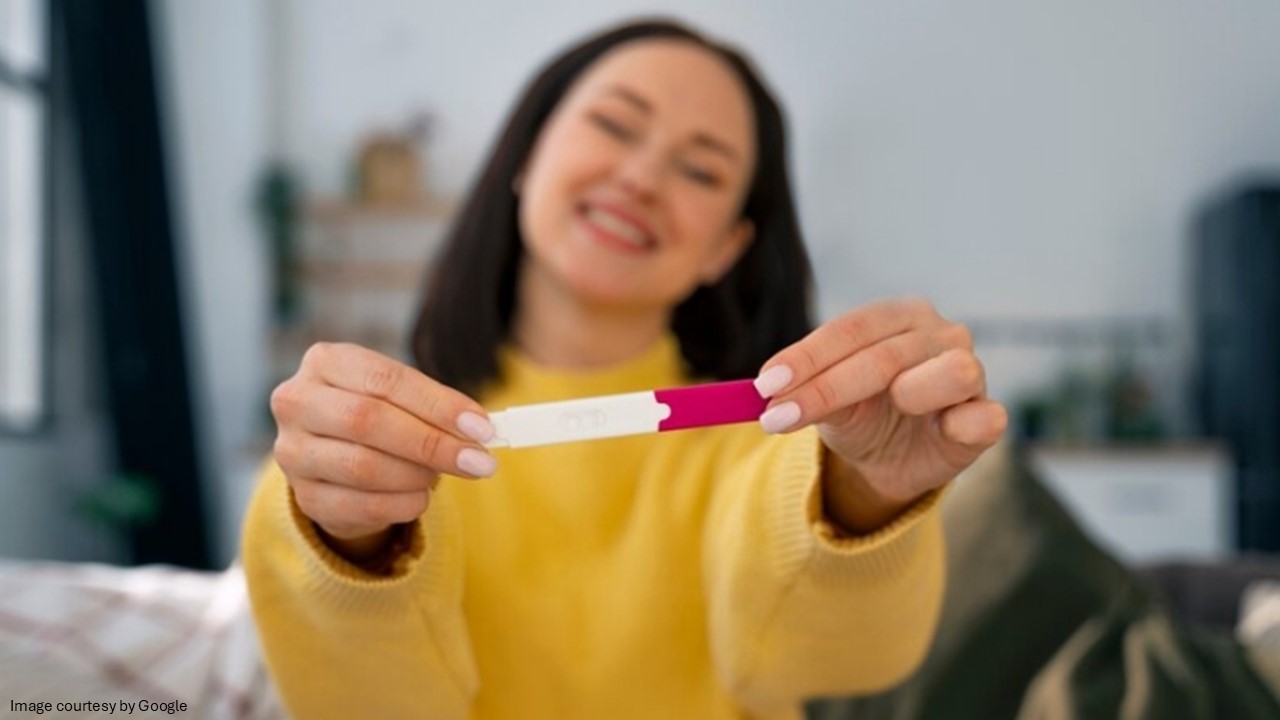
HCG hormone does much more than simply establish a pregnancy. Knowing the role of the HCG in pregnancy can help you better understand how it supports pregnancy, guides foetal development, and even influences certain medical treatments for both males and females.
HCG importance: HCG is the Human chorionic gonadotropin hormone, mainly produced by trophoblast tissue found in early embryos and eventually developing into part of the placenta. natural hormone that supports the maturation of the eggs and triggers the process of ovulation. It is a hormone produced early in pregnancy that also stimulates progesterone secretion and prepares the uterine lining for a successful pregnancy. Measuring HCG levels can help determine pregnancy status (normal or abnormal) and is also used to monitor after a pregnancy loss. Additionally, HCG hormone testing can support the diagnosis of certain cancers, such as choriocarcinoma and some extra-uterine malignancies.
HCG: An Overview
What is HCG? HCG stands for Human chorionic gonadotropin, a hormone produced by the placenta during pregnancy, especially during the first trimester. A pregnancy test detects HCG to confirm a pregnancy. Urine and blood tests measure HCG levels. HCG hormone levels increase rapidly during the initial 8 to 10 weeks of pregnancy. Sometimes, healthcare professionals monitor how quickly your HCG levels rise during early pregnancy to check whether the pregnancy is progressing. High levels of HCG detected in those who are not pregnant could be an indication of cancer. Researchers suggest that, rarely, germ cell tumours or other cancer cells can trigger your body to produce HCG. This is the reason why healthcare professionals sometimes conduct an HCG test to diagnose the presence of malignant cells, track cancer treatment, and monitor the recurrence of cancer.
Function of the HCG hormone
What does HCG hormone do? Well, HCG is the first pregnancy hormone the placenta produces after conception.
HCG hormone function: It is an obvious sign that you are pregnant. The presence of HCG signals your body to stop menstruating and then signals the production of supportive hormones, such as progesterone and estrogen. These hormones are crucial for pregnancy and fetal development. The role of progesterone is to thicken the uterine lining and keep the uterus in a relaxed state. The estrogen hormone supports fetal development, increases blood flow to the placenta, and helps prepare your body for labour. It can be said that HCG is the first hormone that supports early pregnancy, but then it allows the production of other hormones to further offer supportive care in the progression of pregnancy. Well, you should know that everyone carries a small amount of HCG in their bodies, but the levels are undetectable. But once you conceive, your HCG levels rise quickly and reach levels that typically exist during pregnancy. Normally, it is believed that HCG levels reach their peak around ten weeks of pregnancy, and then gradually drop until childbirth.
Levels that indicate pregnancy
An HCG level above 25 milli-international units per millilitre (mIU/mL) means the occurrence of a pregnancy. But still no guarantee, so your healthcare specialists may conduct an HCG test again in a few days to monitor if the levels further increase, which establishes pregnancy. Here is the guide on how HCG levels rise quickly and steadily in the first trimester before gradually falling in the later trimesters. The guide shows HCG levels in weeks since last menstrual period:
-
- 3 weeks: 5 to 50 mIU/mL
- 4 weeks: 5-426 mIU/mL
- 5 weeks: 18-7,340 mIU/mL
- 6 weeks: 1,080-56,500 mIU/mL
- 7 to 8 weeks: 7650-229000 mIU/mL
- 9 to 12 weeks: 25700-288000 mIU/mL
- 13 to 16 weeks: 13300-254000 mIU/mL
- 17 to 24 weeks:4060-165400 mIU/mL
- 25 to 40 weeks: 3640-117000 mIU/mL
These numbers are for informational purposes only. Your HCG levels may increase or fall differently. These numbers don’t matter as much as how they change. It is important to regularly visit yoru healthcare specialist to know what yoru levels mean for yoru pregnancy. Here, it is important to note that healthy pregnancies tend to have lower-than-average HCG levels. These are considered normal HCG levels in pregnancy.
Monitoring HCG levels
HCG levels may be checked in the first trimester if there are any concerns about the pregnancy progressing. If the levels detected are lower than average, you may be advised to repeat testing in a few days to see if they change.
Low levels of HCG
Low or declining levels of HCG could be an indication of miscarriage, blighted ovum, ectopic pregnancy or when you don’t remember when you had yoru last period. If it has been found that yoru levels are low for the gestational age of the pregnancy, you may be advised to undergo testing again in the next two or three days or conduct an ultrasound to establish your pregnancy.
High levels of HCG
High levels of HCG in your blood or urine could be an indication of sustained pregnancy, or you are pregnant with twins, triplets or more, molar pregnancy or other gestational trophoblastic diseases (GTD). Rarely, high levels could indicate the presence of cancer.
Consulting a healthcare specialist
Most women are unaware of their HCG levels unless they get checked. As mentioned above, healthcare specialists check levels in the first trimester and check later only if there is a reason to. Discuss with yoru healthcare specialists if you have queries about your HCG levels. If needed, in case you have not achieved normal HCG levels in pregnancy, your healthcare specialist may prescribe an HCG injection to support pregnancy. HCG is an injectable drug for infertility; it is a hormonal treatment designed to regulate and stimulate the process of ovulation. A daily subcutaneous injection helps trigger the release of the eggs from the follicles. This is often used in combination with other fertility drugs to help stimulate follicle production. This should be used at a précised time during the menstrual cycle.
The best time to receive an HCG injection is when there is a mature egg follicle in the ovary. Your health care provider will suggest a specific time frame for you to receive the drug. It is important to inform your health care specialist in advance if you are unable to receive the injectable drug on time or if any adjustments are needed. If you are involved in a sexual act or intrauterine insemination, ovulation will happen approximately 36 hours later, so the day of receiving the medication and the two days following it are your critical days. It is important to note that the HCG hormone is detected in the urine during pregnancy tests. When you receive an HCG injection, it stays in your urine for up to two weeks. So, if you take a pregnancy test during this time, the result will be positive due to the effect of the medication, and not due to pregnancy. One must wait for at least two weeks from the date of receiving the injectable drug to make sure that the results are due to pregnancy and not the presence of medication in your urine. To better understand the role of HCG in pregnancy, please talk to your healthcare specialist.
Conclusion
HCG is secreted early in pregnancy by placental trophoblastic cells and later by the placenta. It is also helpful in maintaining high progesterone levels, which are crucial for a successful pregnancy. HCG is also called the pregnancy hormone because of its key role in maintaining pregnancy. During pregnancy tests, the HCG hormone is detected in urine or blood to determine whether the test is negative or positive. Moreover, HCG’s importance can be better taught by yoru healthcare provider.