



-
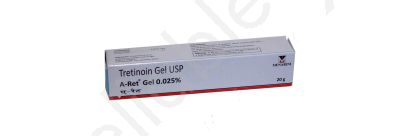 A Ret Gel .025% (20gm)US$ 5.17 - US$ 6.00
A Ret Gel .025% (20gm)
$5.17 - $6.00
Generic For : Retin AActive Ingredient : Tretinoin Gel USP1 Tube/sUS$ 6.00 -
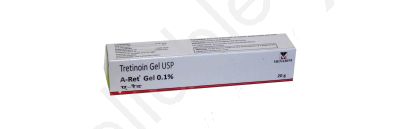 A Ret Gel 0.1% 20gmUS$ 6.75 - US$ 9.00
A Ret Gel 0.1% 20gm
$6.75 - $9.00
Generic For : Retin A GelActive Ingredient : Tretinoin Gel USP1 Tube/sUS$ 9.00 -
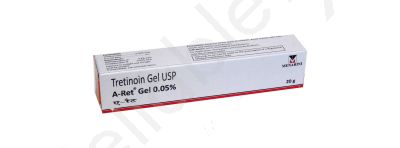 A Ret Gel 0.05% (20 gm)US$ 5.33 - US$ 7.00
A Ret Gel 0.05% (20 gm)
$5.33 - $7.00
Generic For : Retin AActive Ingredient : Tretinoin Gel USP1 Tube/sUS$ 7.00 -
-
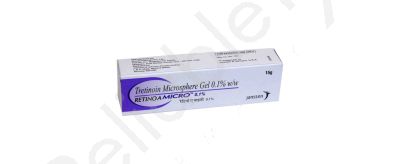
-
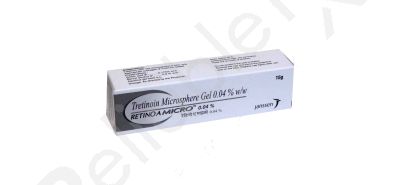
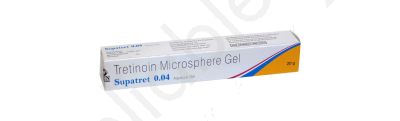 Supatret .04% Gel 20gmGeneric For : Retin A MicroActive Ingredient : Tretinoin Gel MicrosphereSold Out
 -
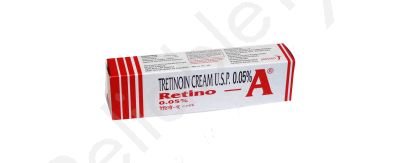

Tretinoin is a valuable medication with a wide range of clinical applications, including the treatment of mild, moderate and severe acne as well as the signs of ageing and sunspots. As a vitamin A derivative in the retinoid class, tretinoin acts to reduce the formation of comedones and decrease the inflammation in affected skin. In addition to its effectiveness in managing acne, tretinoin formulations are approved as an adjunctive palliative treatment for signs of photoaging. In particular, it has been shown to reduce fine lines and skin roughness, as well as to treat hyperpigmentation and dark spots.
Indications for use of tretinoin
Tretinoin is the first retinoid approved by the US Food and Drug Administration (FDA) for topical treatment of acne vulgaris. It is well-known. There are a number of retinoids available over the counter, but they are significantly less potent than the well-known, well-studied prescription topical tretinoin. Retinol is a milder, popular over-the-counter retinoid available in a wide range of products. But because retinol is much weaker than tretinoin, about ten times less powerful, it may take longer to work on the skin, and the effects may not be noticeable. Tretinoin has been used in dermatology for decades and has been prescribed by dermatologists for many years. It increases skin cell turnover, which helps open clogged pores and remove blockage and debris on teh surface. The topical formulation helps treat acne scars and wrinkles by stimulating collagen production in the deeper layers of the skin. Also, the retinoid prevents future breakouts.
Forms and strengths of tretinoin
Tretinoin is available as a gel and cream. An individual may observe that their skin responds better to one form than to another. Each form is different, and here is how to choose the one that's right for you.
Gel
Tretinoin gel is for people with oily skin; the gel formulation may penetrate more quickly into the skin and, therefore, may be considered a stronger acne-fighting option. However, gel-based products usually contain alcohol and can be extremely dry. To counter the drying effects of tretinoin and retain moisture, use tretinoin as instructed, then apply a noncomedogenic moisturizer straight afterwards.
Cream
A better choice for those seeking a moisturizer in their topical medication is tretinoin cream. For individuals with dry skin or combination skin, and those using a product specifically targeting fine lines and wrinkles, a cream formulation is recommended to reduce the risk of exacerbating dryness.
The powerhouse prescription retinoid is sold under various brand names, including A Ret gel, A Ret HC cream, Flawlizo cream/gel, Revize micro gel, Retino A cream, Treticon forte cream, and Tretin cream, among others.
Tretinoin is available in various concentrations, enabling a tailored skincare approach. The strengths your dermatologist chooses usually depend on your skin type, concerns, and how your skin reacts to the topical medication. The following strengths of tretinoin are available: -
‒ 025% - This is the lowest strength often prescribed for those new to tretinoin or with sensitive skin. It is especially recommended for treating mild acne and initial signs of ageing.
‒ 05% - The mid-strength option is generally suitable for those who have any intolerance to tretinoin or have more severe skin issues. It is often recommended for moderate acne and noticeable signs of ageing.
‒ 1% - This is the highest commonly prescribed strength often used in those who have built up a tolerance to tretinoin and require a more powerful treatment for severe cases of acne or signs of ageing that are large enough to be noticed.
Building up to different concentrations over time
Starting treatment with a lower strength tretinoin formulation is often recommended to allow your skin to get used to the product. As your skin builds tolerance to low doses, you can gradually move to higher concentrations if required.
The progression may be like:
‒ Start treatment with 0.025%. You may be advised to use this lowest strength for several months and monitor how your skin responds.
‒ Once your skin has adequately tolerated the initial strength and the dermatologist feels you benefit from a stronger formulation, you can switch to the mid-strength tretinoin formulation.
‒ After using the mid-strength for some time, your dermatologist may switch you to the higher concentration if they feel it's appropriate.
‒ Note: The goal is to reach the highest tretinoin concentration. But to find one concentration that provides you with the best results for your specific skin requirements. It is always recommended to consult a dermatologist before making any changes to your tretinoin regimen.
Using tretinoin
‒ Go slow with tretinoin. If you're new to this medication, start by using it every other night to observe how your skin responds. Over time, as you become tolerant to the medication, you can increase the frequency.
‒ Applying to clean skin is a must every time. To achieve the best results, apply tretinoin to cleansed and dry skin.
‒ Sunscreen is a must, as tretinoin can make your skin sensitive to the sun. Always use a broad-spectrum sunscreen during the day to protect your skin.
Potential benefits of tretinoin
Tretinoin is a highly effective prescription medicine used to address numerous common skin concerns, including acne vulgaris and sun-damaged skin. It is a product many people look forward to exploring for its anti-ageing properties. Tretinoin is considered the standard treatment for acne, but is also well known for its anti-ageing benefits. This means it is used for patients from early teenage years onward. As they develop acne and age, the concern about signs of ageing becomes the focus.
The different ways tretinoin may benefit your skin:
- Reduces acne
If you have been diagnosed with acne, you will likely receive topical tretinoin from your dermatologist. Whether a patinet has comedonal acne, characterized by lots of blocked pores, or more inflammatory lesions, characterized by deep, pus-filled pimples, tretinoin is teh first-line treatment. By increasing the formation of new skin cells and calming inflammation, tretinoin can help clear oil and dirt from trapped pores, allowing them to shrink to their normal size and reduce the redness and swelling associated with acne.
Prevents new breakouts: Tretinoin can help clear pores by preventing oil and dead skin buildup, keeping pores clear and reducing the risk of whiteheads and blackheads.
- Fades hyperpigmentation and photodamage
In addition to eliminating acne, the retinoid formulation helps brighten and even out skin tone. Tretinoin is a vitamin A derivative that has long been used to treat various forms of abnormal pigmentation, including melasma, sunspots, and post-inflammatory hyperpigmentation from acne. Increasing the rate of skin cell turnover allows the damaged skin to shed and be rapidly replaced by new skin cells. According to the research on the effectiveness of tretinoin as a treatment for photoaging (premature ageing of the skin due to sun damage, individuals experienced dramatic improvement in the appearance of their skin after using tretinoin.
- Reduces the appearance of post-acne marks and scars
The retinoids are widely recognized for improving the appearance of post-acne discolouration and minor scars left by severe acne. Signs of ageing, including wrinkles, are less visible.
Not long after tretinoin was approved for acne treatment, dermatologists noticed that the formulation offered anti-ageing benefits. As the retinoid formulation speeds up the production of skin cells, it also stimulates the production of collagen (a protein in the body that gives structure to your skin. This improvement in collagen production has major anti-ageing benefits, including a significant reduction. It is important to continue using it for at least 3 to 12 months.
- Supports long-term skin renewal
Beyond acne treatment, tretinoin helps with overall skin renewal. It improves skin texture, evens tone, and softens visible fine lines, giving rise to a more radiant, healthier complexion. With regular use, retinoid-like tretinoin can serve as a preventative therapy for very initial signs of ageing.
Warning and precautions when using tretinoin
‒ A sunscreen with SPF of at least 50 should be used when using tretinoin is necessary, and it should be reapplied every two hours when outdoors.
‒ Avoid excessive use of the cream/gel. Only a pea-sized amount is recommended to cover your entire face. Using excessive formulation can only increase your risk of developing adverse effects without offering any additional benefits.
‒ Avoid dermaplaning treatments while using tretinoin. Also, do not use wax or chemical peels. Using tanning beds or exposing yourself to the ultraviolet rays of the sun may damage your skin, especially during tretinoin treatment. Therefore, it is important to wear protective gear (sunglasses or a wide-brimmed hat). Furthermore, laser treatment should also be avoided.
‒ Use of retinoids is strictly prohibited during pregnancy. Women of childbearing age should consider using an effective contraceptive method because of retinoids. Tretinoin formulations are approved for children; however, some micronized formulations may be used in some children.
‒ One should not combine tretinoin with any other retinoid unless the dermatologist indicates otherwise. Certain ingredients should be avoided at the same time as, or on the same day as, tretinoin. These include lactic acid, benzoyl peroxide, salicylic acid, and physical exfoliants.
Potential side effects of tretinoin
Tretinoin is a prescription-strength retinoid, making it a consideration. Most potent formulation available. Unfortunately, that also means a higher risk of adverse effects than with an over-the-counter formulation.
The most common side effects of tretinoin formulations are redness, dryness, and skin irritation, particularly in the initial weeks of treatment. For many patients, there is an initial adjustment period during which the skin gets used to the retinoid formulation. During this period, they may experience a purge or worsening of acne while their skin adjusts. To reduce side effects, start by using the tretinoin formulation on alternate nights (every other night) for the first two weeks, or as your dermatologist recommends. Moreover, every individual's skin is different, and their ability to tolerate the topical medicine will vary. Discuss with your dermatologist what might be appropriate for your individual requirements before, during, and after treatment. Skin irritation is a side effect that individuals with darker complexions should be particularly cautious of. This is because, in individuals with darker skin, irritation can lead to hyperpigmentation, resulting in dark patches.
Maximising tretinoin results
To maximize the results of a tretinoin formulation, it should be applied once nightly to perfectly dry skin, and a layer of moisturizer should be applied afterwards to reduce the retinoid's drying effects. Wear sunscreen, preferably with an SPF of 50, and combine with mild cleansing or noncomedogenic products.
What is the use of tretinoin?
Tretinoin is a prescription medicine used to treat acne and sun-damaged skin. It can't erase deep wrinkles, but it can fade visible fine lines, surface wrinkles, and dark spots.
What are the effects of using tretinoin cream/gel?
With regular application of tretinoin gel or cream as advised by the dermatologist, the skin appears clear, and acne-prone areas improve. Pores appear smaller, skin becomes smoother, and fine lines and wrinkles are not visible. Skin is plumped, and pigmentation has improved.
What is the best tretinoin strength?
Tretinoin is considered the gold-standard treatment for acne, fine lines, and photoaging. But not all strengths are created equal, and choosing between 0.025%, 0.05%, or 0.1% can significantly impact results and irritation. Moreover, one should always follow a dermatologist's instructions, as they can guide you on the appropriate tretinoin concentration based on your skin type and the concerns you want to address.
How to apply tretinoin?
It is important to apply Tretinoin cream to a clean, dry face. Removing all makeup and dirt is essential before applying the retinoid formulation, such as Retinoid. It is generally applied once daily, preferably before bed. Squeeze out a pea-sized amount and spread all over your affected skin or where you need this formulation to work. The topical medication must dissolve into your skin; if it doesn't, try using it less. Excessive application may increase the risk of side effects and won't give you faster results.
What to know before using tretinoin cream?
Before trying tretinoin, one should know that it can cause initial purging (peeling, redness, and dryness), which requires regular, consistent once-nightly application. Due to sun sensitivity, it must be paired with a daily SPF 50, followed by a non-comedogenic moisturiser. Starting with the lowest dose, 2 to 3 nights a week, may help you develop tolerance to the topical medication. Once you get used to it, your dermatologist may increase the concentration.
Can I put makeup while using tretinoin?
Yes, you can wear makeup with a Tretinoin formulation, but make sure you wait a while after applying tretinoin, or apply makeup the next morning after applying tretinoin at night. In addition, keep makeup minimal and use gentle, hydrating skincare products, such as tinted moisturisers and serums.
Can I apply wax to my face?
No, waxing facial hair should not be done during pregnancy because it may make the skin more sensitive, increasing the risk of severe redness, burning, and peeling. You must avoid waxing your facial hair for at least 2 weeks after using the Tretinoin formulation. Also, sunburned or irritated skin areas can't be waxed.
Are there any products to be avoided while using tretinoin?
Avoid harsh products that can worsen peeling. These may include salicylic acid, benzoyl peroxide, glycolic acid and retinol to prevent skin irritation. Also, avoid astringents, alcohol-based products, and strong exfoliators. These skincare ingredients can intensify redness and dryness, making your skin more sensitive. Be sure to consult a dermatologist before combining any products.
Can tretinoin make my skin sensitive to the sun?
Yes, tretinoin significantly increases sensitivity to sunlight. The condition is often called photosensitivity, which can make your skin more susceptible to sunburn. You must be consistent with your sun-protective measures as with your tretinoin formulation. Wear a broad-spectrum sunscreen with at least 30 SPF, protective clothing, and a wide-brimmed hat, and avoid tanning booths, especially during the first month, as they thin the skin's outer layer.
Is a prescription needed to buy tretinoin cream?
Yes, you will need to visit a dermatologist to receive a prescription for tretinoin, a prescription topical medicine used to treat mild to moderate acne, fine lines, and photoaging.
Is Topical tretinoin safe to use during pregnancy?
There are no adequate research studies of tretinoin medication use during pregnancy. Healthcare specialists must weigh the potential risks and benefits before prescribing this retinoid formulation to a pregnant woman.
Which medications may interact with tretinoin?
Combining other topical medications with tretinoin may contribute to excessive irritation. The use of abrasive soaps and stringents may exacerbate tretinoin-induced skin irritation. Medications that cause sun sensitivity should not be mixed with a tretinoin formulation because of additive sun sensitivity.
What are the common side effects of tretinoin?
The application of tretinoin may cause local site inflammation. The adverse effects resolve when the topical treatment is stopped. Mild stinging or warmth can also occur when applying this retinoid formulation.
Is a higher strength of tretinoin always better?
No, a higher strength tretinoin is not always a better option. Here, it is important to note that a stronger concentration can produce faster results. At the same time, it can significantly increase the risk of redness, irritation, and skin peeling. A lower strength tretinoin offers similar long-term anti-ageing effects with much less discomfort, making it an ideal choice for specific skin concerns. Check with your dermatologist to find the right strength to achieve the desired results with ease.
20% OFF
Terms and Conditions Apply*
Flat 20% OFF
on your first purchase
20% off only on the product value
Maximum discount value $20
Only one coupon can be used at a time
Coupon code will be mailed on
your registered email address.
Login
Sign up
Flat 20% OFF
on your first purchase
20% off only on the product value
Maximum discount value $20
Only one coupon can be used at a time
Coupon code will be mailed on
your registered email address.
Login
Sign Up
Flat 20% OFF
on your first purchase
20% off only on the product value
Maximum discount value $20
Only one coupon can be used at a time
Coupon code will be mailed on
your registered email address.
Forgot Password ?